Organizations seeking to honor achievements, commemorate special events, or strengthen team unity often turn to custom medallions as powerful symbols of recognition. These ceremonial tokens have evolved from military traditions into versatile corporate tools that effectively communicate values, celebrate milestones, and foster lasting connections among team members. Understanding the intricacies of sourcing premium medallions for bulk orders requires careful consideration of quality standards, manufacturer capabilities, and design specifications that align with your organization's objectives.
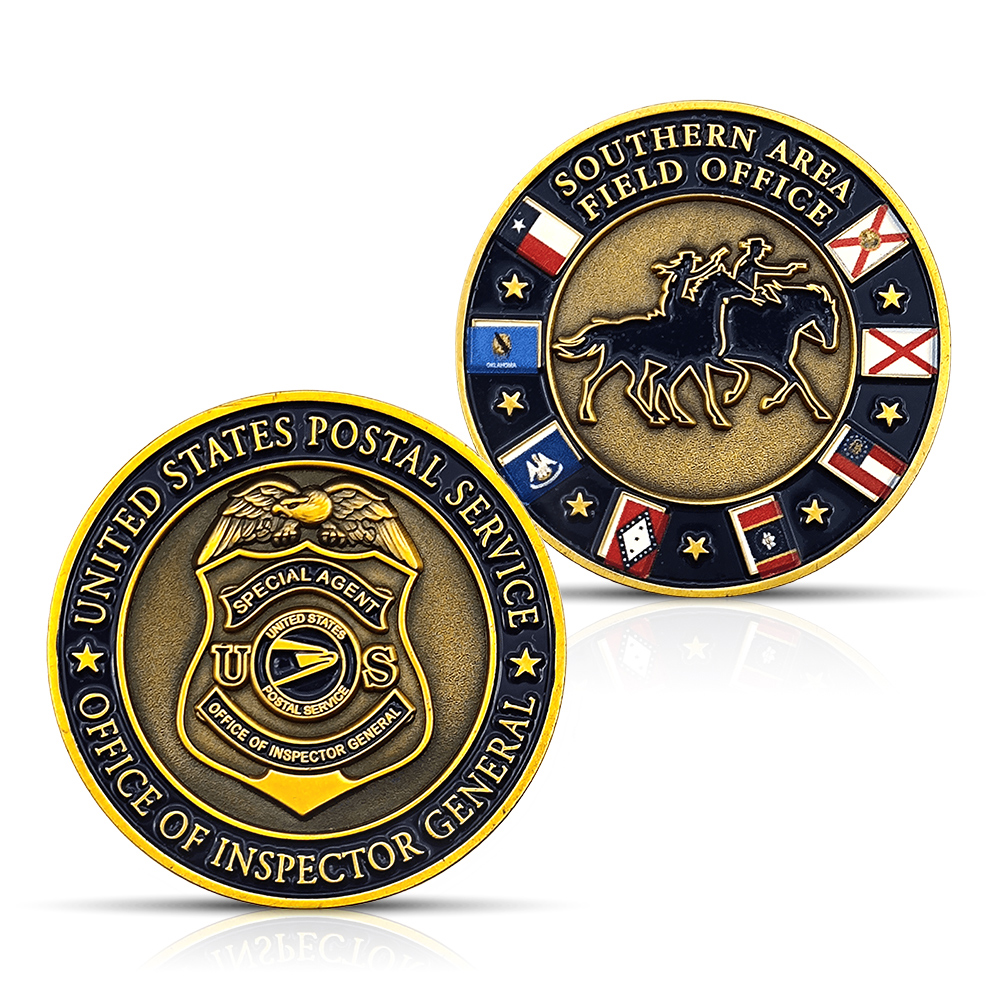
Premium commemorative medallions demand exceptional material quality that ensures longevity and professional appearance. High-grade metals such as brass, bronze, and zinc alloy provide the foundation for durable tokens that maintain their integrity through regular handling and display. The selection process involves evaluating material density, corrosion resistance, and weight characteristics that contribute to the medallion's perceived value and tactile appeal.
Professional manufacturers utilize advanced alloy compositions that prevent tarnishing and maintain color consistency over extended periods. These materials undergo rigorous testing to meet military-grade specifications for durability and appearance retention. Organizations investing in bulk orders benefit from understanding these material properties to ensure their commemorative pieces reflect the prestige and permanence associated with significant achievements and organizational milestones.
Surface finishing techniques significantly influence the final appearance and professional presentation of ceremonial medallions. Antique finishes, polished surfaces, and specialized coatings create distinct visual effects that enhance design elements and ensure optimal contrast for detailed artwork. These finishing processes require precision equipment and experienced craftsmen who understand the relationship between surface preparation and final coating adhesion.
Advanced plating techniques including gold, silver, and nickel applications provide both aesthetic enhancement and additional corrosion protection. The electroplating process demands precise control over temperature, current density, and solution composition to achieve uniform coverage and consistent color reproduction across large production runs. Quality manufacturers maintain strict process controls to ensure every medallion meets identical finish standards regardless of order size.
Successful bulk procurement requires partnering with manufacturers who demonstrate proven capacity for handling large-scale orders while maintaining quality consistency. Production facilities must possess adequate equipment, skilled workforce, and quality control systems capable of delivering thousands of units within specified timeframes. Evaluating manufacturer capabilities involves reviewing past performance records, production equipment specifications, and current order backlogs that might impact delivery schedules.
Established manufacturers typically maintain multiple production lines dedicated to different manufacturing stages, enabling efficient workflow management and reduced bottlenecks during peak demand periods. Their experience with challenge coins production translates into streamlined processes that minimize errors and ensure consistent output quality. Organizations benefit from selecting partners who provide detailed production schedules and regular progress updates throughout the manufacturing cycle.
Comprehensive quality assurance programs form the backbone of reliable medallion manufacturing operations. These protocols encompass incoming material inspection, in-process quality checkpoints, and final product validation procedures that verify conformance to specifications. Manufacturers implementing ISO-certified quality management systems demonstrate commitment to consistent processes and continuous improvement initiatives that benefit bulk order customers.
Documentation and traceability systems enable manufacturers to track individual medallions through each production stage, facilitating rapid identification and correction of any quality issues that may arise. Advanced quality control measures include dimensional verification, finish consistency testing, and packaging inspection protocols that ensure every medallion meets established standards before shipment. These comprehensive quality systems provide confidence for organizations investing in significant quantities of commemorative medallions.
Effective medallion design balances symbolic representation with practical manufacturing constraints to create meaningful commemorative pieces that resonate with recipients. Corporate applications often incorporate company logos, mission statements, and achievement-specific imagery that reinforces organizational identity and values. Military designs typically feature unit insignia, operational details, and traditional symbols that honor service traditions and specific accomplishments.
Design optimization involves understanding the limitations and opportunities presented by different manufacturing techniques such as die-striking, casting, and photo-etching. Each method offers distinct advantages for reproducing specific design elements, with die-striking providing exceptional detail for raised relief features and photo-etching enabling intricate line work and complex imagery. Professional designers work closely with manufacturers to ensure design concepts translate effectively into physical medallions that meet both aesthetic and functional requirements.
Medallion dimensions directly impact manufacturing costs, shipping expenses, and recipient satisfaction, making size optimization crucial for bulk order success. Standard diameter ranges between 1.5 and 2.0 inches provide optimal balance between visual impact and practical considerations such as display options and carrying convenience. Thickness specifications affect both material costs and perceived value, with most ceremonial medallions ranging from 2.5 to 4.0 millimeters depending on design complexity and intended use.
Weight distribution becomes increasingly important for large orders due to shipping cost implications and packaging requirements. Manufacturers experienced in bulk production optimize design elements to achieve desired weight characteristics while maintaining structural integrity and visual appeal. These considerations extend to packaging solutions that protect medallions during transit while minimizing overall shipment volume and associated logistics costs.
Bulk medallion procurement offers significant cost advantages through volume pricing tiers that reward larger order quantities. Manufacturers typically structure pricing to reflect reduced per-unit setup costs, material purchasing efficiencies, and optimized production scheduling that benefits both parties. Understanding these pricing structures enables organizations to determine optimal order quantities that balance immediate needs with long-term cost considerations.
Setup costs for custom medallion production include die creation, artwork preparation, and initial production line configuration that remain constant regardless of order size. Distributing these fixed costs across larger quantities dramatically reduces per-unit pricing, often resulting in 30-50% savings when comparing orders of 100 units versus 1000 units. Organizations planning multiple events or ongoing recognition programs benefit from consolidating orders to maximize these volume discounts.
Comprehensive budget planning for bulk medallion orders must account for various cost components beyond base manufacturing prices. Shipping expenses, packaging materials, and customs duties for international orders can significantly impact total project costs. Expedited production schedules often carry premium charges that should be factored into timeline planning to avoid unexpected expenses.
Additional services such as individual packaging, custom presentation boxes, and specialized shipping requirements generate supplementary costs that vary by manufacturer and order specifications. Quality medallion suppliers provide detailed cost breakdowns that enable accurate budget forecasting and help identify potential areas for cost optimization without compromising quality standards. These transparent pricing practices facilitate informed decision-making for procurement managers handling significant bulk orders.
Professional packaging systems protect medallions during transit while facilitating efficient distribution upon arrival. Bulk orders require packaging solutions that balance protection requirements with unpacking convenience, particularly for organizations distributing medallions across multiple locations or events. Standard packaging options include individual poly bags, foam inserts, and custom presentation boxes that enhance the perceived value of commemorative pieces.
Protective packaging becomes increasingly critical for medallions featuring delicate finishes or intricate surface details that could be damaged during handling or shipping. Experienced manufacturers utilize specialized foam materials, anti-tarnish papers, and moisture barriers that preserve medallion quality throughout the distribution chain. These packaging investments prove worthwhile for organizations seeking to maintain premium presentation standards for their commemorative programs.
Cross-border medallion shipments involve complex regulations and documentation requirements that vary by destination country and order value. Customs classifications, duty calculations, and required certifications can significantly impact delivery timelines and total costs. Professional manufacturers with international shipping experience provide guidance on documentation requirements and assist with customs clearance procedures to minimize delays.
Import duties and taxes applied to medallion shipments depend on material composition, country of origin, and destination regulations that require careful analysis for accurate cost projection. Some manufacturers maintain strategic partnerships with international logistics providers who specialize in handling commemorative items and understand the specific requirements for medallion importation. These partnerships often result in smoother customs processing and more predictable delivery schedules for time-sensitive orders.
Most professional medallion manufacturers establish minimum order quantities between 50-100 pieces for custom designs, though some specialized suppliers may accommodate smaller orders at higher per-unit costs. These minimums reflect the fixed setup costs associated with die creation and initial production configuration. Organizations planning recognition programs should consider these thresholds when determining order timing and quantity consolidation strategies.
Standard production timelines for bulk medallion orders range from 2-4 weeks depending on order complexity, quantity, and manufacturer capacity. Custom design development may require additional time for artwork approval and die creation processes. Organizations should plan for extended timelines during peak seasons and allow buffer time for potential production delays or design revisions that may arise during the approval process.
Reputable medallion manufacturers implement comprehensive quality control programs including material inspection, in-process monitoring, and final product validation procedures. Buyers should expect detailed quality documentation, sample approval processes, and clear remediation procedures for any quality issues. Professional suppliers typically provide production samples and maintain detailed records that enable traceability and continuous improvement initiatives.
Quality-focused medallion manufacturers often maintain ISO certification, particularly ISO 9001 for quality management systems, which demonstrates commitment to consistent processes and customer satisfaction. Military suppliers may hold additional certifications relevant to defense contracting requirements. Buyers should also verify business licensing, industry association memberships, and review customer testimonials to assess manufacturer credibility and reliability.

Our custom products include lapel pins, 3M Sticker Pins, Challenge coins, Golf ball marker, Keychains, Medals, Bottle openers, Belt buckles, Cuff-links, Lanyards, etc.
 EN
EN





 Hot News