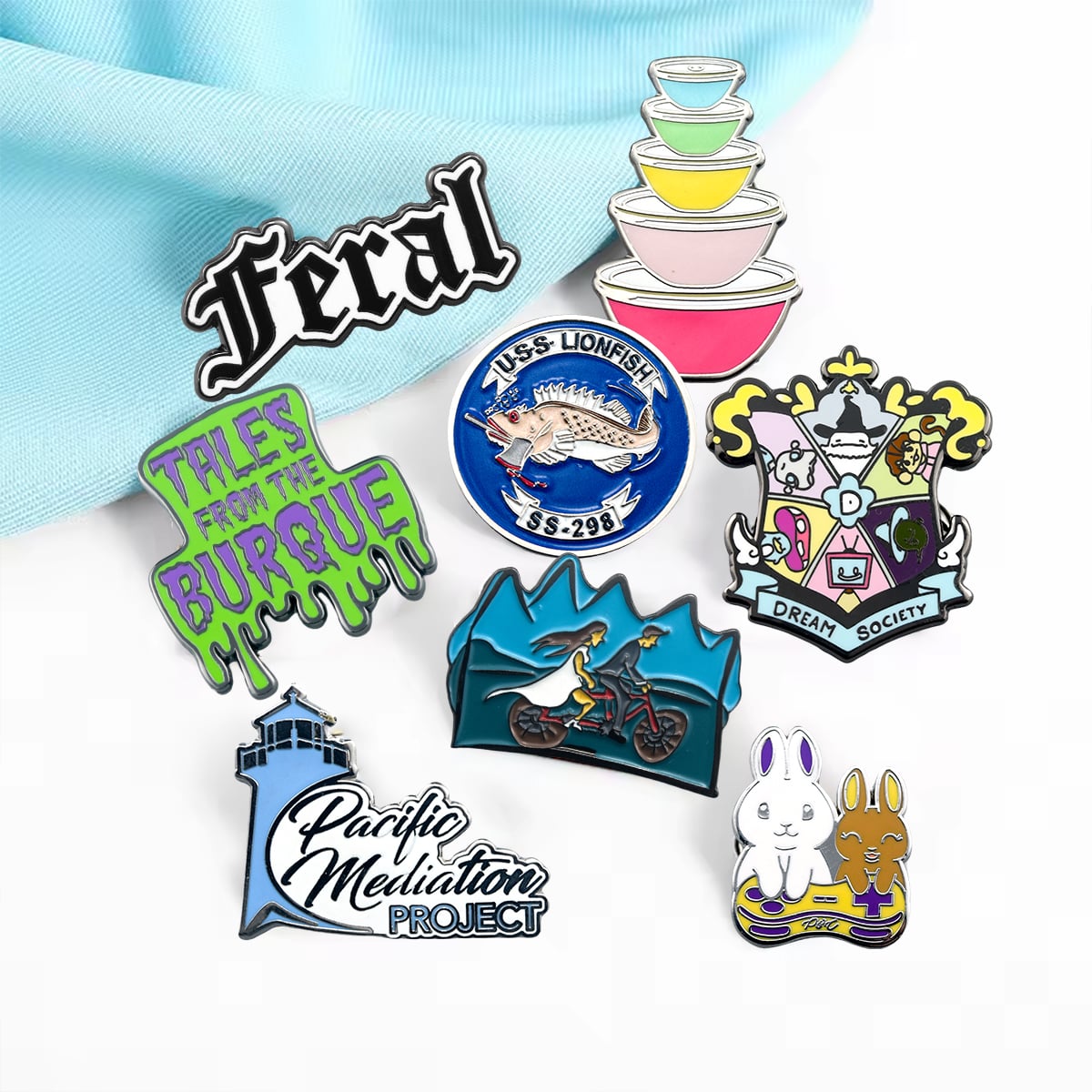
Lapel pins have become an essential accessory for businesses, organizations, and individuals looking to showcase their brand identity, achievements, or personal style. Among the various types available, enamel pins stand out as the most popular choice due to their durability, vibrant colors, and professional appearance. Understanding the fundamental differences between soft enamel and hard enamel lapel pins is crucial for making informed purchasing decisions that align with your specific needs and budget requirements.
The manufacturing process, finish quality, and cost considerations vary significantly between these two primary enamel pin types. While both options serve similar functional purposes, their distinct characteristics make them suitable for different applications and target audiences. Soft enamel pins offer an affordable solution with a textured surface, while hard enamel pins provide a premium, smooth finish that rivals fine jewelry in appearance and durability.
Soft enamel pins begin with a metal base that undergoes a stamping or die-striking process to create raised and recessed areas. The recessed sections are then filled with liquid enamel paint, which is applied by hand or machine depending on the complexity of the design. After the enamel application, the pins are baked in an oven at temperatures ranging from 300 to 450 degrees Fahrenheit to cure the enamel material.
The curing process for soft enamel is relatively quick, typically lasting 10 to 15 minutes. Once cooled, the pins undergo quality inspection and may receive additional plating on the metal areas if specified. The final step involves attaching the backing mechanism, such as butterfly clutches or magnetic backs, before packaging and shipping to customers.
The production of hard enamel lapel pins follows a more complex and time-intensive process that results in superior quality and durability. Similar to soft enamel pins, the process begins with creating a metal base through stamping or striking techniques. However, the enamel application process differs significantly in both technique and materials used.
Hard enamel pins require multiple firing cycles at much higher temperatures, often exceeding 1,800 degrees Fahrenheit. Each color is applied separately and fired individually, creating a chemical bond between the enamel and metal base. After all colors are applied and fired, the entire surface is polished to achieve a completely smooth, glass-like finish that sits flush with the metal borders.
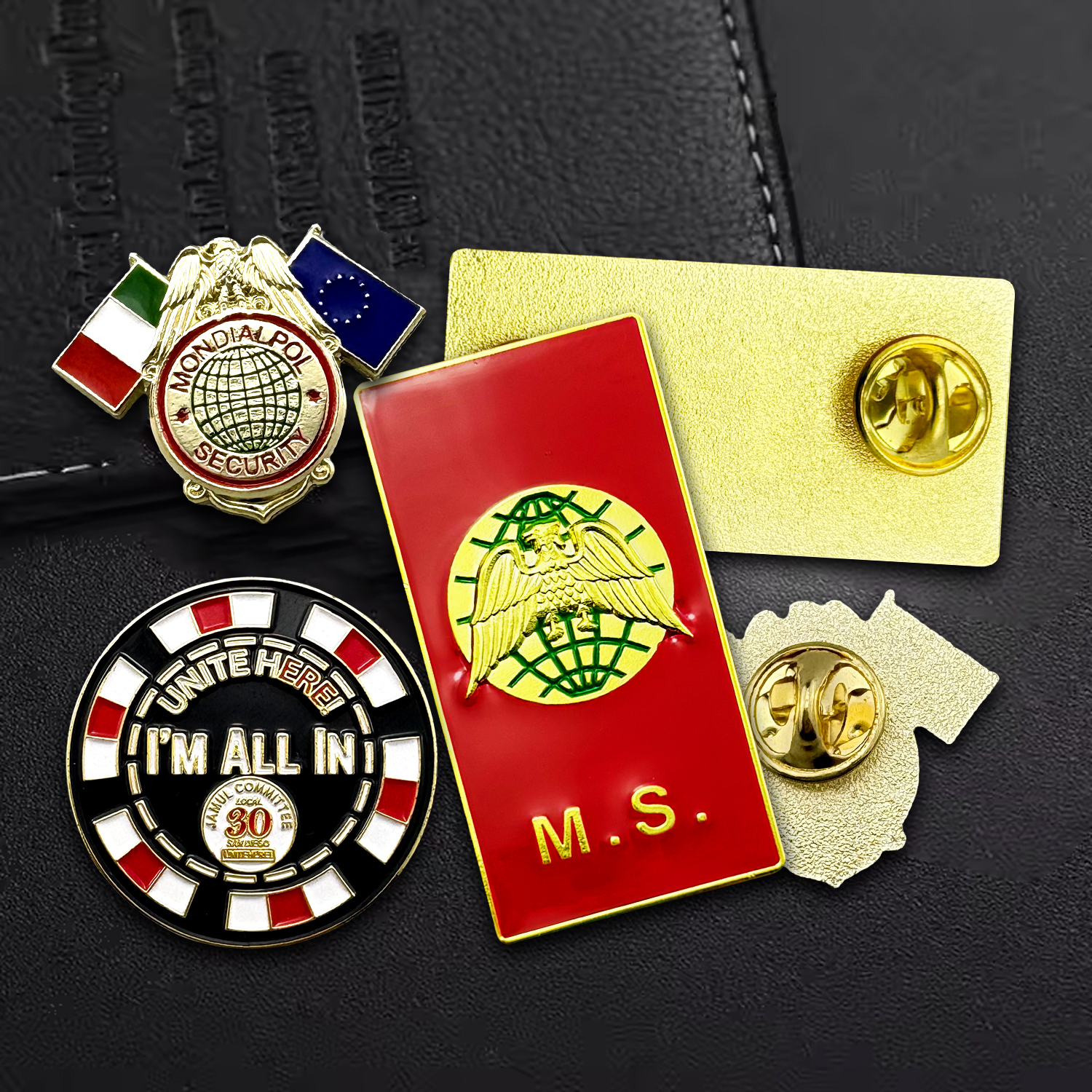
The most noticeable difference between soft and hard enamel pins lies in their surface texture and overall appearance. Soft enamel pins feature a distinctive textured surface where the enamel sits slightly below the raised metal lines, creating a tactile experience when touched. This recessed enamel gives soft pins their characteristic dimensional appearance and allows for easy identification by touch alone.
In contrast, hard enamel lapel pins present a completely smooth, flush surface where the enamel and metal areas align perfectly. The polishing process eliminates any texture variations, resulting in a premium appearance that resembles fine jewelry or high-end accessories. The smooth surface reflects light uniformly, creating a more vibrant and professional appearance that appeals to corporate clients and luxury brands.
Color reproduction capabilities differ substantially between the two enamel types, affecting the final visual impact of the finished pins. Soft enamel pins typically achieve good color saturation but may show slight variations in density due to the application method and curing process. The textured surface can create subtle shadows that may affect color perception under different lighting conditions.
Hard enamel lapel pins excel in color consistency and vibrancy due to their multi-firing process and smooth finish. The high-temperature firing creates deeper, more saturated colors that remain consistent across large production runs. The smooth surface eliminates shadow effects, allowing colors to appear more uniform and professional under various lighting conditions.
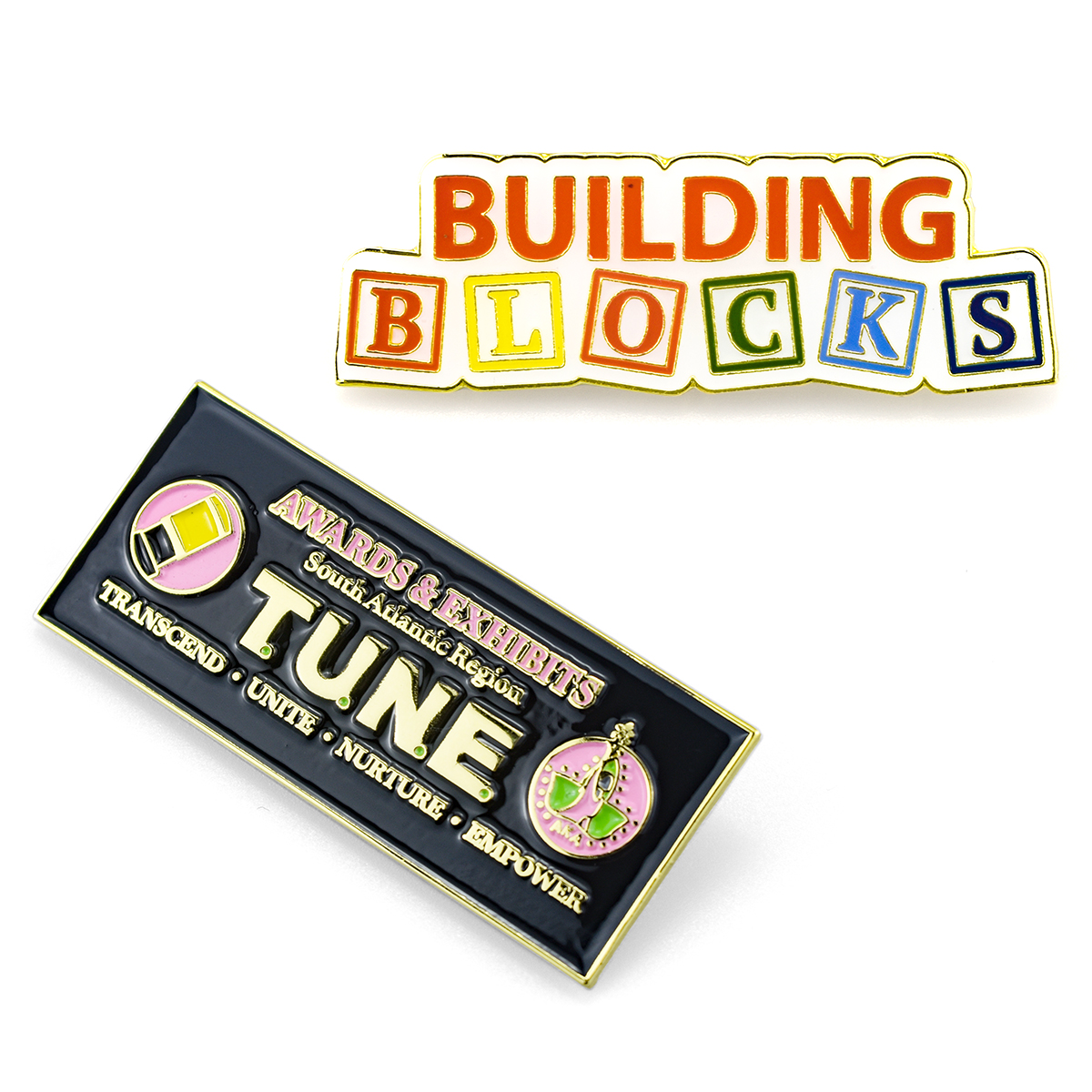
Durability considerations play a crucial role in determining the appropriate enamel type for specific applications and usage environments. Soft enamel pins offer reasonable durability for most standard applications but may show wear over extended periods of heavy use. The recessed enamel areas can accumulate dirt or debris, and the softer enamel material may chip or scratch more easily than its hard counterpart.
The superior durability of hard enamel lapel pins makes them ideal for long-term use and high-visibility applications. The firing process creates a harder, more resilient surface that resists scratching, chipping, and fading. The smooth surface prevents dirt accumulation and allows for easy cleaning with standard jewelry care methods, maintaining their appearance over years of regular use.
Environmental factors such as moisture, temperature fluctuations, and UV exposure affect enamel pins differently based on their manufacturing process and materials. Soft enamel pins generally provide adequate protection against normal environmental conditions but may show degradation when exposed to extreme conditions or harsh chemicals over extended periods.
Hard enamel lapel pins demonstrate exceptional resistance to environmental factors due to their high-temperature firing process and smooth surface. They maintain color stability under UV exposure, resist moisture penetration, and withstand temperature variations without cracking or fading. This enhanced environmental resistance makes them suitable for outdoor applications and long-term display purposes.
Understanding the cost differences between soft and hard enamel pins helps buyers make informed decisions based on their budget constraints and quality requirements. Soft enamel pins typically cost 20 to 40 percent less than hard enamel alternatives due to their simpler manufacturing process, shorter production time, and lower material requirements.
The higher cost of hard enamel lapel pins reflects their complex manufacturing process, multiple firing cycles, and additional polishing steps. While the initial investment is higher, the superior durability and premium appearance often justify the increased cost for applications where quality and longevity are primary concerns.
Evaluating the long-term value proposition involves considering factors beyond initial purchase price, including replacement frequency, maintenance requirements, and overall brand impact. Soft enamel pins may require more frequent replacement in high-use applications, potentially offsetting their initial cost advantage over time.
Hard enamel lapel pins often provide better long-term value despite higher upfront costs due to their extended lifespan and consistent appearance. For corporate applications, awards, or premium promotional items, the professional appearance and durability of hard enamel pins can enhance brand perception and provide lasting value to recipients.
Corporate environments often require pins that reflect professionalism and attention to quality details. Soft enamel pins work well for internal recognition programs, casual events, or budget-conscious promotional campaigns where cost efficiency takes priority over premium appearance. They provide adequate quality for most business applications while maintaining reasonable production costs.
Executive gifts, client appreciation items, and high-profile corporate events benefit from the premium appearance of hard enamel lapel pins. Their jewelry-like finish conveys quality and attention to detail that aligns with professional brand standards. Many corporations choose hard enamel for employee service awards, board member pins, or exclusive client gifts where lasting impression matters.
Marketing campaigns with large distribution volumes often favor soft enamel pins due to their cost-effectiveness and reasonable quality standards. Trade shows, promotional giveaways, and mass marketing campaigns can achieve broad reach while maintaining acceptable quality levels using soft enamel options.
Premium product launches, exclusive events, or luxury brand promotions align better with hard enamel lapel pins that reinforce quality positioning and brand values. The superior finish and durability create positive associations that support premium marketing messages and enhance customer perception of brand quality.
Design complexity capabilities vary between soft and hard enamel pins due to their different manufacturing processes and finishing requirements. Soft enamel pins accommodate intricate details and fine lines effectively, as the recessed areas help define design elements clearly. Smaller pin sizes work well with soft enamel techniques, making them suitable for detailed logos or complex artwork.
Hard enamel lapel pins face certain limitations with extremely fine details due to the polishing process requirements. Very thin lines or tiny design elements may become less distinct after polishing, though advances in manufacturing techniques continue to improve detail capabilities. Larger pin sizes generally work better for hard enamel designs, allowing for better detail preservation during the finishing process.
Color matching capabilities differ between the two enamel types, affecting design flexibility and brand consistency requirements. Soft enamel pins offer extensive color options with good Pantone matching capabilities, though slight variations may occur due to the application and curing process. Custom color matching is generally achievable within reasonable tolerances for most brand requirements.
Hard enamel lapel pins provide excellent Pantone color matching with superior consistency across production runs. The multiple firing process allows for precise color development and exceptional color stability over time. However, certain specialized colors or metallic effects may require additional consideration due to the high-temperature firing requirements.
Hard enamel lapel pins generally last significantly longer than soft enamel versions due to their superior manufacturing process and materials. With proper care, hard enamel pins can maintain their appearance and functionality for decades, while soft enamel pins typically show wear after several years of regular use. The smooth, glass-like surface of hard enamel resists scratching and environmental damage much better than the textured surface of soft enamel alternatives.
Yes, the tactile difference between soft and hard enamel pins is immediately noticeable when touched. Soft enamel pins have a textured surface where you can feel the raised metal lines and recessed enamel areas, creating a dimensional effect. Hard enamel lapel pins feel completely smooth and flat across the entire surface, similar to touching polished glass or high-quality jewelry, with no texture variation between metal and enamel areas.
Hard enamel lapel pins perform significantly better in outdoor conditions and extreme weather due to their superior environmental resistance. The high-temperature firing process creates a more durable surface that resists UV fading, moisture penetration, and temperature fluctuations. Soft enamel pins may experience color fading, enamel degradation, or dirt accumulation in harsh outdoor conditions, making hard enamel the preferred choice for outdoor applications.
Minimum order quantities typically remain similar for both soft and hard enamel pins, usually ranging from 50 to 100 pieces depending on the manufacturer. However, hard enamel lapel pins may have slightly higher minimum quantities due to their more complex production process and longer manufacturing time. The setup costs for tooling and dies are generally comparable between both types, though hard enamel production requires additional time for multiple firing cycles and polishing steps.

Our custom products include lapel pins, 3M Sticker Pins, Challenge coins, Golf ball marker, Keychains, Medals, Bottle openers, Belt buckles, Cuff-links, Lanyards, etc.
 EN
EN



 Hot News