Employee recognition has become a cornerstone of successful business operations, with companies increasingly seeking meaningful ways to acknowledge outstanding performance and dedication. Among the various recognition tools available, an achievement medal stands out as a tangible symbol that employees can cherish for years to come. This traditional form of recognition carries significant psychological weight, creating lasting memories that reinforce positive workplace behaviors and boost overall morale throughout the organization.
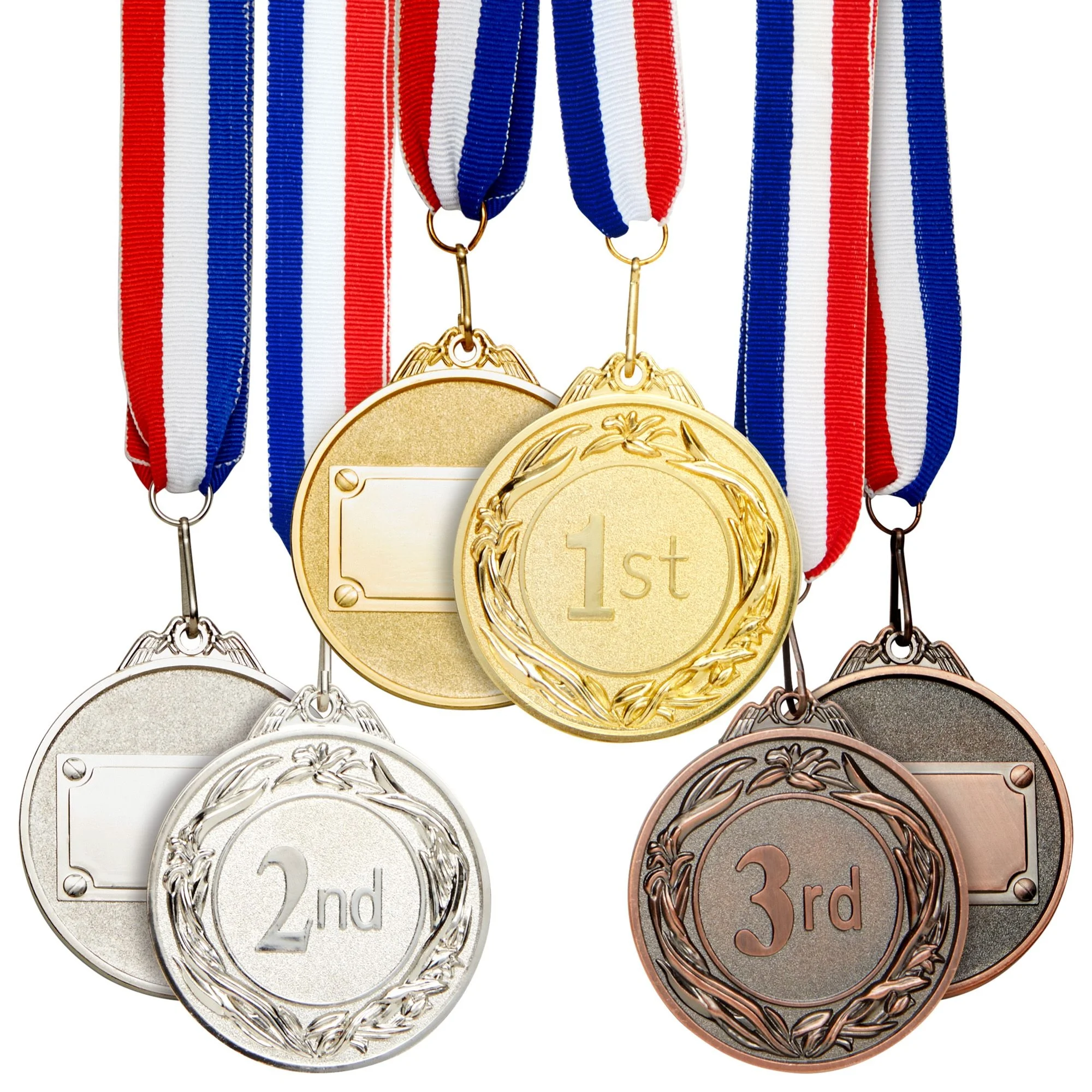
The practice of awarding medals in corporate settings has evolved significantly over the past decade, transforming from simple tokens into sophisticated recognition systems. Modern companies understand that an achievement medal represents more than just acknowledgment; it symbolizes the organization's investment in its people and commitment to excellence. This approach to recognition has proven particularly effective in industries where individual contributions directly impact team success and organizational outcomes.
Research conducted by leading HR organizations consistently demonstrates that tangible recognition tools, particularly those with ceremonial significance like medals, create stronger emotional connections between employees and their workplace. The physical nature of an achievement medal serves as a constant reminder of accomplishment, reinforcing the positive behaviors that led to the recognition in the first place. This psychological reinforcement cycle contributes to improved performance, increased loyalty, and enhanced job satisfaction across all levels of the organization.
The human brain processes tangible rewards differently than verbal praise or digital acknowledgments, creating stronger neural pathways associated with positive experiences. When employees receive an achievement medal, the ceremony and physical presentation activate multiple sensory channels, enhancing memory formation and emotional attachment. This multi-sensory experience ensures that the recognition moment becomes deeply embedded in the recipient's memory, creating a lasting positive association with their workplace accomplishments.
Neuroscientific studies reveal that physical rewards trigger the release of dopamine and oxytocin, chemicals associated with pleasure and social bonding. The weight, texture, and visual appeal of an achievement medal amplify these neurochemical responses, creating a more profound sense of accomplishment than digital alternatives. This biological response explains why employees often display their medals prominently in their workspaces, serving as ongoing motivation and reminder of their valued contributions.
Medal ceremonies create powerful social validation experiences that extend far beyond the individual recipient. When colleagues witness the presentation of an achievement medal, it reinforces company values and establishes clear examples of desired behaviors. This public recognition aspect encourages others to strive for similar acknowledgment while strengthening team cohesion through shared celebration of individual success.
The ceremonial nature of medal presentation also provides opportunities for storytelling and value reinforcement. Leaders can articulate specific achievements and connect individual contributions to broader organizational goals during these presentations. This narrative component transforms a simple recognition moment into a teaching opportunity that benefits the entire team, demonstrating how personal excellence contributes to collective success.
Organizations implementing comprehensive medal recognition programs report significant improvements in employee retention rates, with many seeing reductions in voluntary turnover of up to thirty percent. The tangible nature of an achievement medal creates a sense of investment and belonging that transcends monetary compensation alone. Employees who receive regular recognition through medal programs demonstrate higher levels of engagement, productivity, and commitment to organizational objectives.
Long-term studies tracking employee satisfaction reveal that recognition programs featuring physical awards like medals create cumulative positive effects over time. Recipients often report increased job satisfaction years after receiving their awards, suggesting that the impact of medal recognition extends well beyond the initial presentation moment. This sustained positive effect contributes to stronger employer-employee relationships and reduced recruitment costs associated with high turnover rates.
Companies utilizing structured achievement medal programs typically observe measurable improvements in key performance indicators across multiple departments. The clear visual representation of success provided by medals creates aspirational goals that motivate employees to exceed standard expectations. This goal-oriented approach transforms routine tasks into opportunities for recognition, encouraging continuous improvement and innovation throughout the organization.
The competitive element inherent in medal programs, when properly managed, fosters healthy competition among team members without creating destructive workplace dynamics. Employees understand that multiple individuals can achieve recognition, preventing zero-sum thinking while maintaining motivation for excellence. This collaborative competition approach has proven particularly effective in sales environments, project management teams, and customer service departments where individual contributions directly impact measurable outcomes.
Successful medal recognition programs require careful planning and clear criteria that align with organizational objectives and company values. The most effective programs establish multiple tiers of recognition, allowing for various levels of achievement medal presentation based on different types of contributions. This tiered approach ensures that both major accomplishments and consistent daily excellence receive appropriate acknowledgment, maintaining program inclusivity while preserving the special nature of top-level recognition.
Program administrators must establish transparent nomination and selection processes that prevent favoritism and ensure fair recognition opportunities across all departments and roles. Clear documentation of criteria, evaluation methods, and selection timelines helps maintain program credibility and employee trust. Regular program reviews and adjustments based on feedback ensure that the recognition system remains relevant and effective as organizational needs evolve.
The presentation ceremony significantly impacts the perceived value and emotional impact of achievement medal recognition. Successful organizations invest time and resources in creating memorable presentation experiences that honor recipients while reinforcing company culture. These ceremonies should balance formality with authenticity, ensuring that the recognition feels genuine rather than perfunctory or overly scripted.
Effective medal presentation ceremonies incorporate elements of storytelling, peer recognition, and leadership involvement that amplify the impact of the award. Senior executives who personally present medals demonstrate organizational commitment to employee recognition, while colleague testimonials add personal meaning to the achievement. Documentation through photography and internal communications helps extend the recognition beyond the immediate ceremony, creating lasting records of employee excellence.
Organizations implementing achievement medal programs must establish clear metrics for evaluating program effectiveness and return on investment. Key performance indicators typically include employee retention rates, engagement survey scores, productivity measurements, and voluntary turnover statistics. These quantitative measures provide objective data for assessing program impact and justifying continued investment in recognition initiatives.
Advanced analytics platforms now enable companies to track correlations between medal recognition and various performance outcomes over extended periods. This data-driven approach helps identify which types of achievements merit medal recognition and optimal timing for program activities. Regular analysis of these metrics ensures that recognition programs continue delivering measurable business value while maintaining their motivational impact on employees.
While quantitative metrics provide important baseline data, qualitative feedback offers crucial insights into the emotional and psychological impact of achievement medal programs. Regular surveys, focus groups, and individual interviews help organizations understand how recognition affects employee morale, job satisfaction, and workplace relationships. This feedback loop enables continuous program refinement and ensures that recognition efforts align with employee preferences and expectations.
Employee testimonials and success stories provide powerful validation of medal program effectiveness while serving as promotional tools for encouraging participation. Many organizations create internal case studies featuring medal recipients, highlighting both their achievements and the personal significance of recognition. These narratives demonstrate program value to skeptical employees while providing models for aspiring recipients.
Different industries require customized approaches to achievement medal implementation that reflect unique workplace cultures, performance metrics, and employee expectations. Manufacturing environments often emphasize safety achievements and production milestones, while service industries focus on customer satisfaction and teamwork excellence. Healthcare organizations typically recognize patient care quality and professional development, whereas technology companies may emphasize innovation and project completion achievements.
Understanding industry-specific motivational factors ensures that medal programs resonate with employees and align with business objectives. Construction companies might award medals for safety records and project completion, while financial services organizations recognize client service excellence and compliance achievements. This targeted approach maximizes program relevance and effectiveness within specific professional contexts.
Multinational organizations implementing achievement medal programs must consider cultural differences in recognition preferences and ceremonial traditions. Some cultures emphasize individual achievement recognition, while others prefer team-based acknowledgment that avoids singling out individuals. Understanding these cultural nuances ensures that recognition programs enhance rather than inadvertently undermine workplace harmony and employee motivation.
Global programs benefit from regional customization that incorporates local traditions and values while maintaining consistent recognition standards across all locations. This approach demonstrates cultural sensitivity while preserving program integrity and organizational coherence. Companies often work with regional HR teams to adapt ceremony formats, medal designs, and presentation styles that resonate with local employee populations while supporting overall corporate culture.
Modern achievement medal programs increasingly incorporate digital elements that enhance traditional recognition while maintaining the tangible nature that makes medals effective. QR codes embedded in medal designs can link to digital portfolios showcasing recipient achievements, creating hybrid recognition experiences that combine physical and virtual elements. These technological enhancements expand recognition reach while preserving the fundamental psychological benefits of tangible awards.
Blockchain technology and digital credentialing systems now enable companies to create verifiable achievement medal records that recipients can include in professional portfolios and social media profiles. This digital verification adds professional value to recognition while maintaining traditional ceremonial elements. The integration of technology ensures that medal programs remain relevant in increasingly digital workplace environments without losing their essential human connection.
Environmental consciousness influences modern medal program design, with organizations seeking sustainable materials and production methods for their recognition awards. Recycled metals, eco-friendly packaging, and local production partnerships reduce environmental impact while maintaining award quality and significance. These considerations align recognition programs with broader corporate sustainability initiatives and demonstrate organizational commitment to environmental responsibility.
Sustainable achievement medal programs often incorporate educational components that highlight environmental achievements alongside traditional performance recognition. This approach reinforces organizational values while encouraging employee participation in sustainability initiatives. Companies report that environmentally conscious recognition programs enhance employee pride and align personal values with professional recognition, creating stronger emotional connections to workplace achievements.
The frequency of achievement medal awards depends on organization size, performance cycles, and recognition program objectives. Most successful programs award medals quarterly or bi-annually to maintain exclusivity while ensuring regular recognition opportunities. Monthly awards may dilute significance, while annual ceremonies might miss important achievements and reduce motivational impact throughout the year.
Effective selection criteria combine quantitative performance metrics with qualitative factors such as teamwork, leadership potential, and alignment with company values. Successful programs establish clear, measurable standards that include both individual achievements and contributions to team success. Regular criteria review ensures that recognition standards evolve with changing business objectives and maintain relevance across different roles and departments.
Small businesses can create impactful achievement medal programs through strategic partnerships with local suppliers, bulk purchasing arrangements, and creative ceremony planning that maximizes emotional impact while minimizing costs. Simple but meaningful presentation ceremonies, peer nomination systems, and graduated recognition levels help small organizations provide significant recognition experiences within budget constraints.
Senior leadership involvement significantly enhances the perceived value and emotional impact of achievement medal ceremonies. Executive presence demonstrates organizational commitment to employee recognition while providing opportunities for direct communication between leadership and high-performing employees. Leaders should actively participate in presentations, share personal messages about recipient achievements, and connect individual success to broader organizational objectives during ceremonies.

Our custom products include lapel pins, 3M Sticker Pins, Challenge coins, Golf ball marker, Keychains, Medals, Bottle openers, Belt buckles, Cuff-links, Lanyards, etc.
 EN
EN





 Hot News