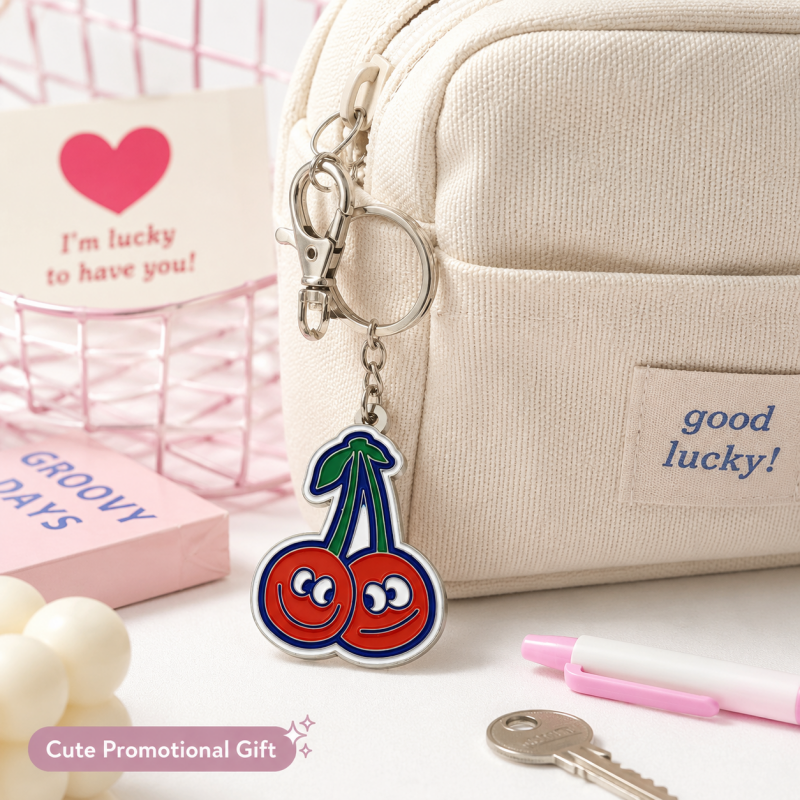
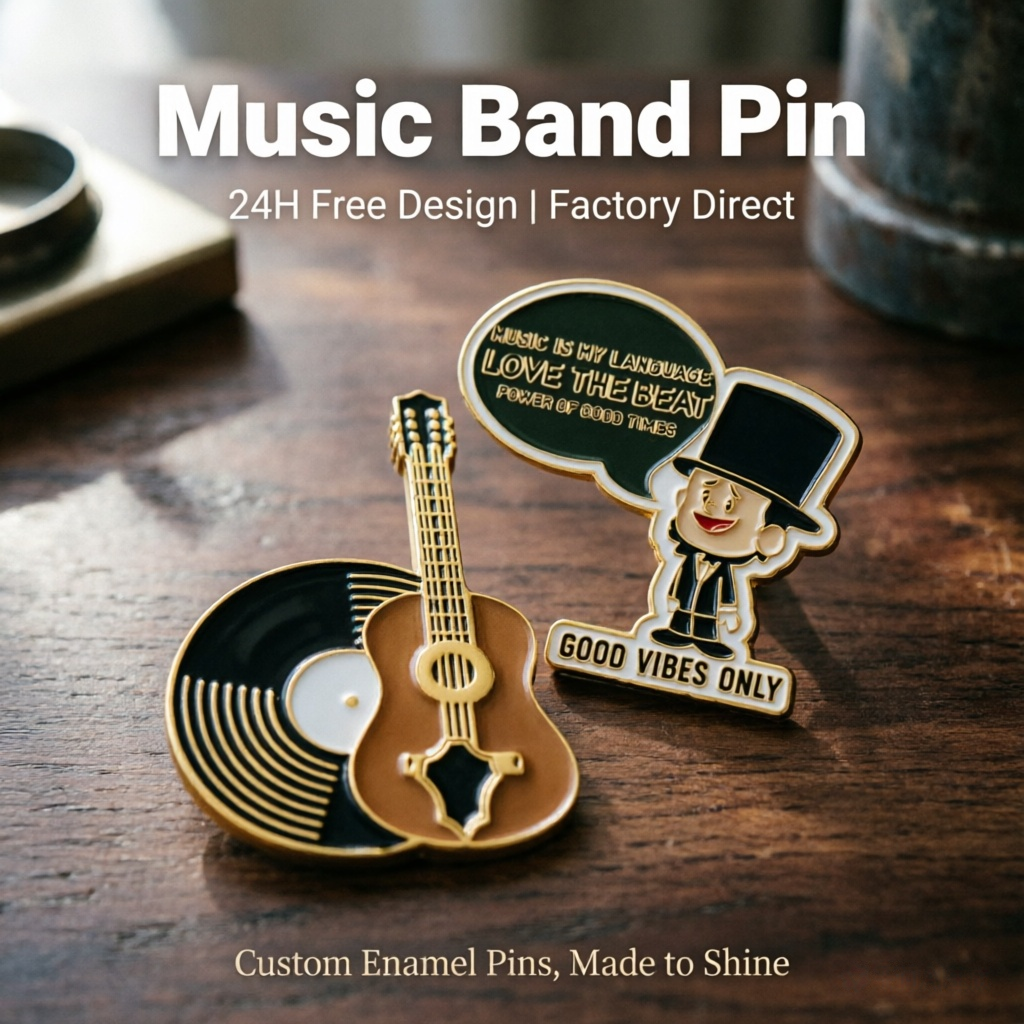
making enamel pins
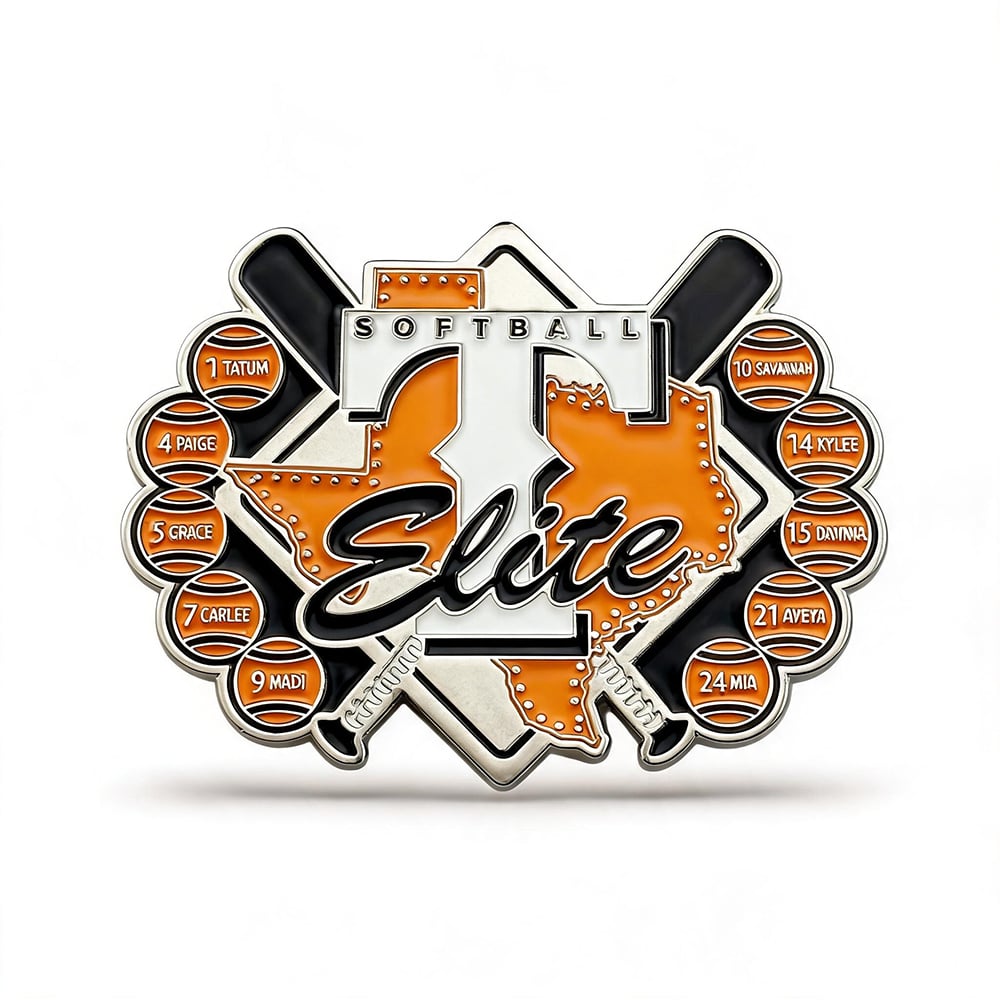
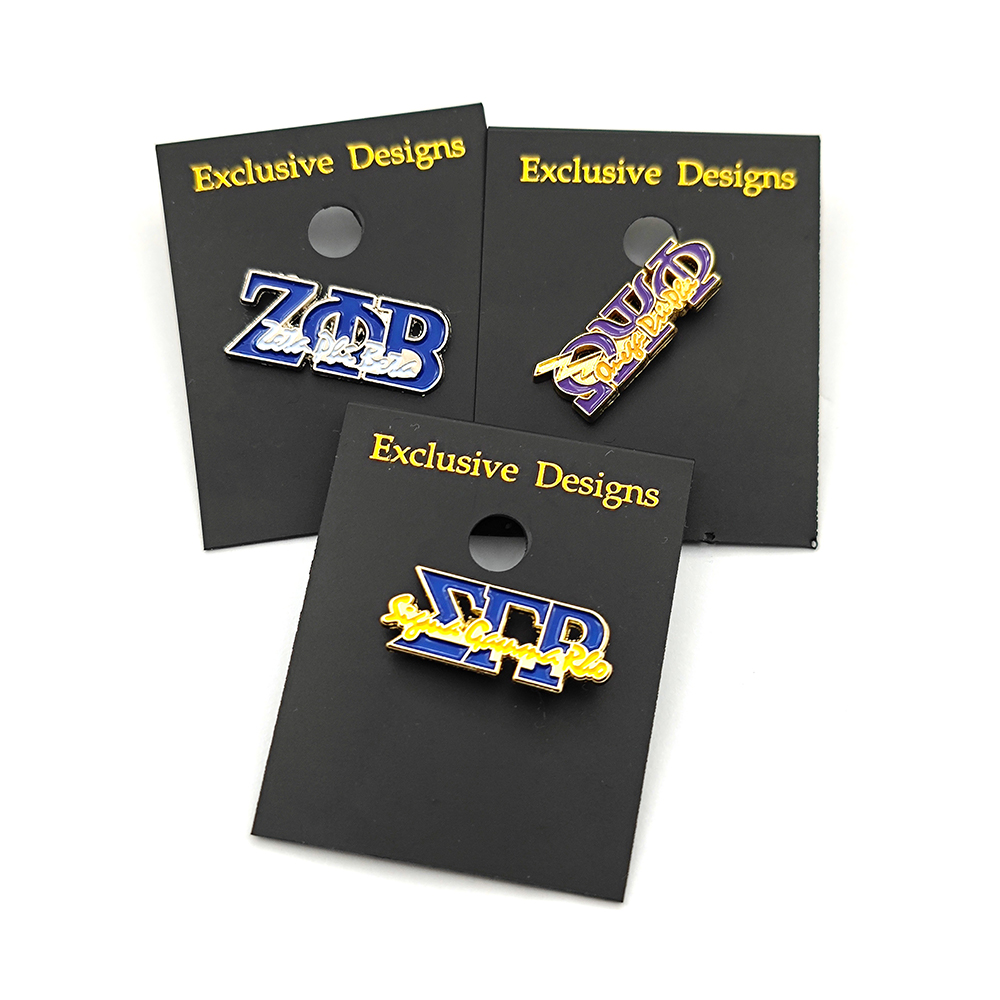
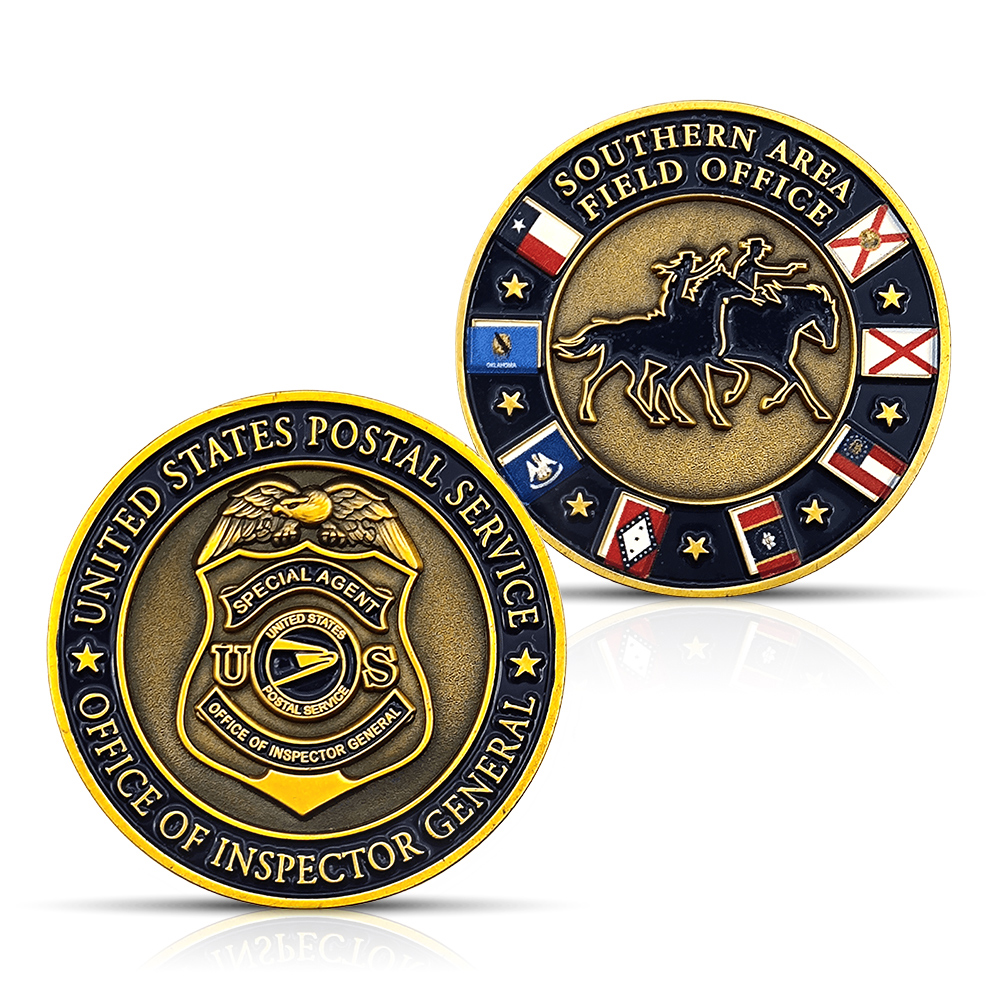
Making enamel pins has become an increasingly popular craft and business venture for creative entrepreneurs and hobbyists worldwide. Enamel pins are small decorative accessories created by combining metal bases with vibrant enamel coatings, resulting in durable and visually striking pieces. The process of making enamel pins involves several key technological features that ensure quality and longevity.
The primary function of making enamel pins centers on producing personalized, collectible items that serve both decorative and promotional purposes. These pins feature hard enamel coating that adheres permanently to metal substrates, creating smooth, glossy finishes resistant to chipping and fading. Making enamel pins typically utilizes specialized equipment including kilns, presses, and precision tools to achieve professional results.
Technologically, making enamel pins employs advanced manufacturing techniques such as die-casting for base creation, screen printing for detailed designs, and high-temperature firing to set enamel permanently. The enamel application process requires careful temperature control, typically ranging from 750 to 850 degrees Celsius, ensuring optimal adhesion and color vibrancy.
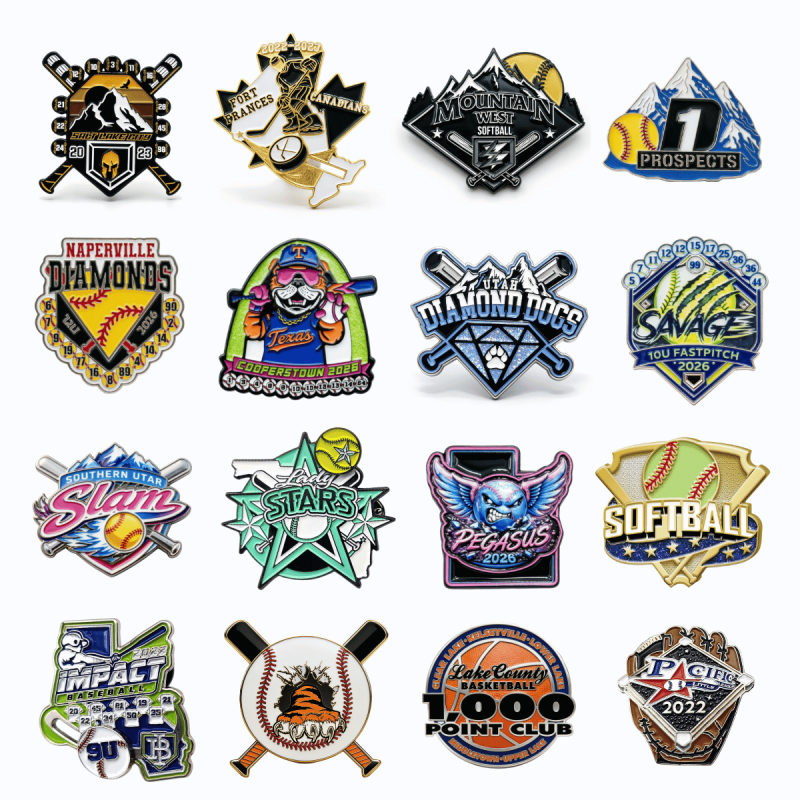
Applications for making enamel pins extend across numerous industries. Fashion enthusiasts collect unique designs as statement pieces. Businesses utilize custom enamel pins for branding, employee recognition, and customer loyalty programs. Non-profit organizations leverage making enamel pins for fundraising initiatives and community engagement. Events, conferences, and trade shows frequently feature branded pins as memorable souvenirs. Artists and designers use making enamel pins to monetize their creative work, while gaming communities embrace themed pin collections. Educational institutions create commemorative pins for alumni and achievements, making enamel pins valuable across personal, commercial, and organizational contexts.
 EN
EN