 EN
EN


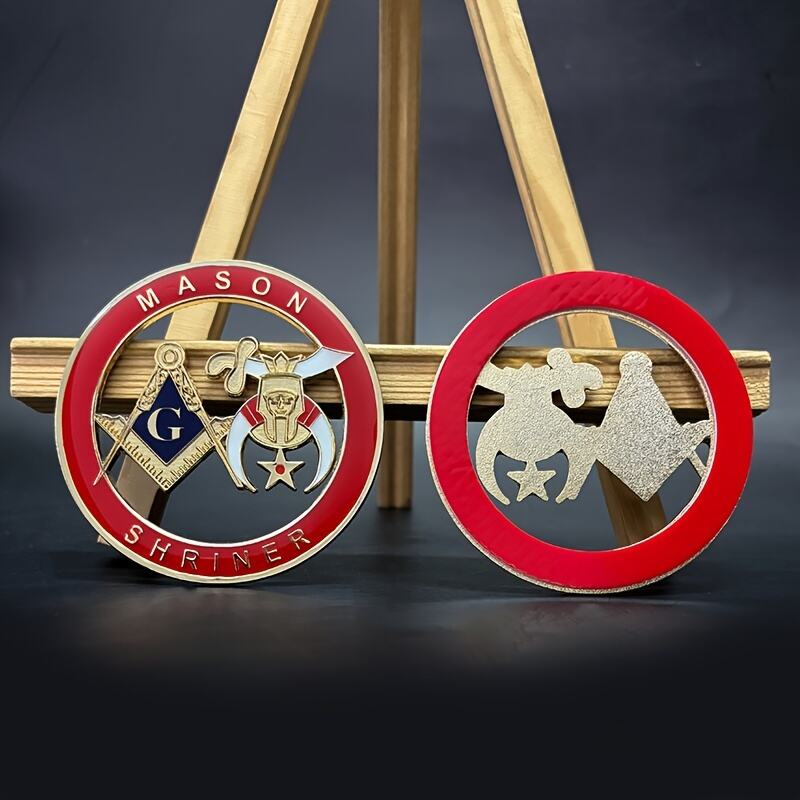
Designing a prestige medal requires careful consideration of multiple elements that combine to create an award worthy of the achievement it represents. Whether for sports tournaments or corporate recognition programs, a well-crafted prestige medal serves as a tangible symbol of excellence that recipients will treasure for years to come. The process involves understanding the purpose, selecting appropriate materials, and incorporating design elements that reflect the significance of the accomplishment being honored.
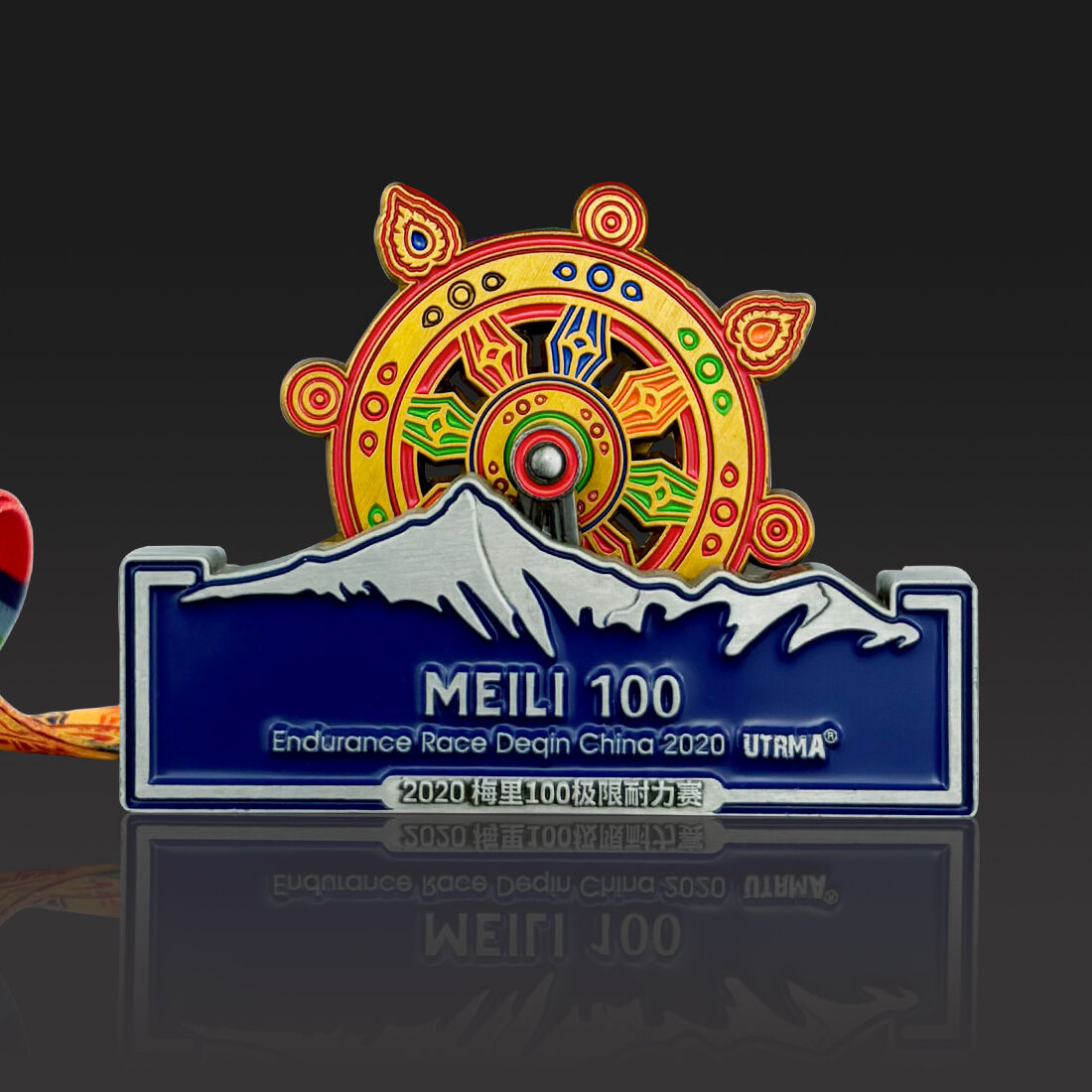
The foundation of any exceptional prestige medal lies in its conceptual framework and the story it tells. Every medal should communicate the values and standards of the organization or event it represents. This storytelling aspect transforms a simple piece of metal into a meaningful artifact that captures the essence of achievement and dedication.
Understanding the Purpose and Audience
Identifying the Award Context
Before beginning any design work on a prestige medal, it is essential to clearly define the context in which the award will be presented. Sports tournaments typically require medals that emphasize competition, athletic excellence, and the spirit of fair play. Corporate recognition programs, on the other hand, may focus on innovation, leadership, teamwork, or service milestones. Understanding these distinctions helps designers create medals that resonate with recipients and align with organizational values.
The audience for your prestige medal also plays a crucial role in design decisions. Professional athletes may appreciate technical elements that reflect their sport, while corporate executives might prefer sophisticated designs that convey authority and achievement. Consider the age demographics, cultural backgrounds, and professional contexts of potential recipients when developing your medal concept.
Defining Achievement Levels
Most medal programs incorporate multiple tiers of recognition, such as gold, silver, and bronze for competitions, or different levels for corporate achievements. Each prestige medal within a series should maintain visual consistency while clearly distinguishing the level of accomplishment. This hierarchy helps recipients understand where their achievement fits within the broader recognition framework.
Creating distinct visual elements for different achievement levels can involve varying the materials, colors, or design complexity. The most prestigious medals in your series should incorporate premium materials and intricate details that justify their elevated status. This approach ensures that each prestige medal appropriately reflects the significance of the achievement it represents.
Material Selection and Quality Considerations
Premium Metal Choices
The choice of base metal significantly impacts both the appearance and perceived value of a prestige medal. Traditional options include bronze, silver, and gold plating over base metals like zinc alloy or brass. For truly exceptional recognition programs, solid precious metals may be appropriate, though cost considerations often make plated alternatives more practical for most applications.
Each metal choice brings specific characteristics that affect the final product. Gold plating provides warmth and luxury, silver offers classic elegance, and bronze delivers a timeless, traditional appearance. Some designers opt for mixed-metal approaches, incorporating multiple finishes within a single prestige medal to create visual interest and emphasize different design elements.
Surface Treatments and Finishes
Beyond the base metal selection, surface treatments play a vital role in creating a distinctive prestige medal. Polished finishes create brilliant reflective surfaces that catch light beautifully, while satin or brushed finishes provide subtle elegance with reduced glare. Antique treatments can add character and depth, particularly for medals honoring traditional achievements or historical milestones.
Advanced finishing techniques such as dual-tone plating, where different areas receive different metal treatments, can create sophisticated visual effects. These approaches allow designers to highlight specific elements of the medal while maintaining overall cohesion. The key is selecting finishes that enhance the design concept rather than overwhelming it with unnecessary complexity.
Design Elements and Visual Composition
Symbolic Imagery and Iconography
The imagery incorporated into a prestige medal should immediately communicate the nature of the achievement being recognized. Sports medals might feature equipment specific to the discipline, dynamic figures representing athletic movement, or abstract elements suggesting speed and competition. Corporate medals could incorporate industry-specific symbols, company logos, or universal representations of excellence such as stars, wreaths, or geometric patterns.
Effective symbolism in prestige medal design goes beyond literal representation to capture the emotional and aspirational aspects of achievement. A running medal might emphasize the finish line moment rather than simply depicting a runner, while a corporate innovation award could feature forward-pointing arrows or ascending elements that suggest progress and growth.
Typography and Text Integration
The integration of text elements requires careful consideration of both readability and aesthetic appeal. A prestige medal should include essential information such as the award name, year, and possibly the recipient's name or achievement category. The typography chosen should complement the overall design style while ensuring long-term legibility.
Font selection for medal text should balance elegance with clarity. Traditional serif fonts often work well for formal recognition programs, while modern sans-serif options can provide contemporary appeal. The size and positioning of text elements must be carefully planned to avoid overwhelming the visual design while ensuring all necessary information is clearly presented.
Technical Considerations for Production
Manufacturing Methods and Constraints
Understanding the manufacturing process is crucial for creating a prestige medal that can be produced efficiently and cost-effectively. Die-struck medals offer exceptional detail and durability, making them ideal for prestigious applications. Cast medals allow for more complex three-dimensional elements but may require different design approaches to achieve optimal results.
Design elements must be compatible with the chosen manufacturing method. Fine details that work well in die-struck production might not translate effectively to casting, and vice versa. Working with experienced manufacturers early in the design process helps ensure that your prestige medal concept can be successfully realized within budget and timeline constraints.
Size and Weight Specifications
The physical dimensions of a prestige medal significantly impact both its visual presence and the recipient's experience. Larger medals generally convey greater importance but must be balanced against practical considerations such as display options and wearing comfort. Standard medal sizes typically range from 2 to 4 inches in diameter, with thickness varying based on design requirements and manufacturing methods.
Weight considerations are particularly important for medals that will be worn during ceremonies or displayed prominently. A prestige medal should feel substantial enough to convey quality and importance without becoming burdensome. The weight distribution should be balanced to ensure comfortable wearing and stable display positioning.
Customization and Personalization Options
Individual Recognition Elements
Many prestige medal programs benefit from personalization options that make each award unique to its recipient. This might include engraved names, achievement dates, or specific accomplishment details. The design should accommodate these personal elements without compromising the overall visual integrity of the medal.
Personalization areas should be planned during the initial design phase to ensure adequate space and appropriate positioning. Some designs incorporate dedicated panels or sections specifically for individual information, while others integrate personalization more subtly into the overall composition. The chosen approach should align with the formality level and intended use of the prestige medal.
Modular Design Systems
For organizations with ongoing recognition needs, developing modular design systems can provide flexibility while maintaining brand consistency. This approach allows for variations in imagery, text, or decorative elements while preserving core design principles across different prestige medal applications.
Modular systems might include interchangeable center medallions, variable border treatments, or customizable color schemes. This flexibility enables organizations to create distinct prestige medal designs for different purposes while benefiting from economies of scale in production and maintaining visual coherence across their recognition programs.
Presentation and Packaging Design
Display and Storage Solutions
The presentation of a prestige medal is nearly as important as the medal itself in creating a memorable recognition experience. Custom packaging should protect the medal while showcasing it effectively. Options range from simple velvet pouches to elaborate presentation boxes with custom interior layouts designed specifically for the medal's dimensions.
Display considerations should account for both immediate presentation needs and long-term storage. A prestige medal recipient should be able to showcase their award appropriately, whether in an office setting, trophy case, or personal collection. Some designs incorporate built-in display stands or hanging systems that eliminate the need for additional hardware.
Ceremonial Presentation Elements
For formal recognition ceremonies, additional presentation elements can enhance the significance of the moment. Custom ribbons, neck straps, or presentation folders can be coordinated with the medal design to create a cohesive recognition package. These elements should complement rather than compete with the prestige medal itself.
The ceremonial aspect of medal presentation offers opportunities to reinforce organizational branding and values. Coordinated presentation materials help create memorable experiences that recipients will associate with the recognition they received. This attention to detail demonstrates the organization's commitment to properly honoring achievement.
Quality Control and Testing
Sample Review and Approval Process
Before committing to full production, a comprehensive sample review process ensures that the prestige medal meets all design expectations and quality standards. Physical samples allow stakeholders to evaluate weight, finish quality, and overall appearance under various lighting conditions. This step is crucial for identifying any adjustments needed before final production.
The review process should include multiple perspectives, from design aesthetics to practical functionality. Recipients' representatives, if available, can provide valuable feedback on the medal's appeal and appropriateness for the intended audience. This collaborative approach helps ensure that the final prestige medal successfully serves its recognition purpose.
Production Quality Standards
Establishing clear quality standards before production begins helps ensure consistent results across the entire medal run. These standards should address finish quality, dimensional accuracy, and any personalization requirements. Working with manufacturers who understand the importance of prestige medal quality helps maintain these standards throughout production.
Quality control measures should include regular sampling during production to catch any issues before they affect the entire order. A prestige medal represents significant achievement, and any quality defects can undermine the recognition experience. Investing in proper quality control processes protects the integrity of the recognition program.
FAQ
What factors most significantly impact the cost of a prestige medal
The primary cost factors for a prestige medal include material selection, manufacturing complexity, size, and quantity ordered. Premium metals and intricate design details increase costs, while larger order quantities typically reduce per-unit pricing. Additional factors such as custom packaging, personalization, and rush production timelines can also significantly impact the final cost.
How long does the typical prestige medal design and production process take
A complete prestige medal project typically requires 4-8 weeks from initial design concept to final delivery. This timeline includes design development, sample creation and approval, final production, and quality control. Rush orders may be possible with additional costs, while complex designs or large quantities might require extended timelines. Planning ahead ensures adequate time for all necessary steps.
What design elements help ensure a prestige medal will remain visually appealing over time
Timeless design principles such as balanced composition, appropriate contrast, and classic typography help ensure lasting visual appeal. Avoiding overly trendy elements and focusing on the enduring significance of the achievement being recognized creates medals that recipients will value long-term. Quality materials and finishes also contribute to the medal's longevity and continued attractiveness.
How should organizations determine the appropriate size for their prestige medal
Prestige medal size should reflect the significance of the achievement while considering practical factors such as display options and wearing comfort. Standard sizes range from 2.5 to 3.5 inches for most applications, with larger sizes reserved for the most prestigious recognitions. Consider the medal's intended use, recipient demographics, and presentation context when determining optimal dimensions for your specific application.
Table of Contents
- Understanding the Purpose and Audience
- Material Selection and Quality Considerations
- Design Elements and Visual Composition
- Technical Considerations for Production
- Customization and Personalization Options
- Presentation and Packaging Design
- Quality Control and Testing
-
FAQ
- What factors most significantly impact the cost of a prestige medal
- How long does the typical prestige medal design and production process take
- What design elements help ensure a prestige medal will remain visually appealing over time
- How should organizations determine the appropriate size for their prestige medal