 EN
EN


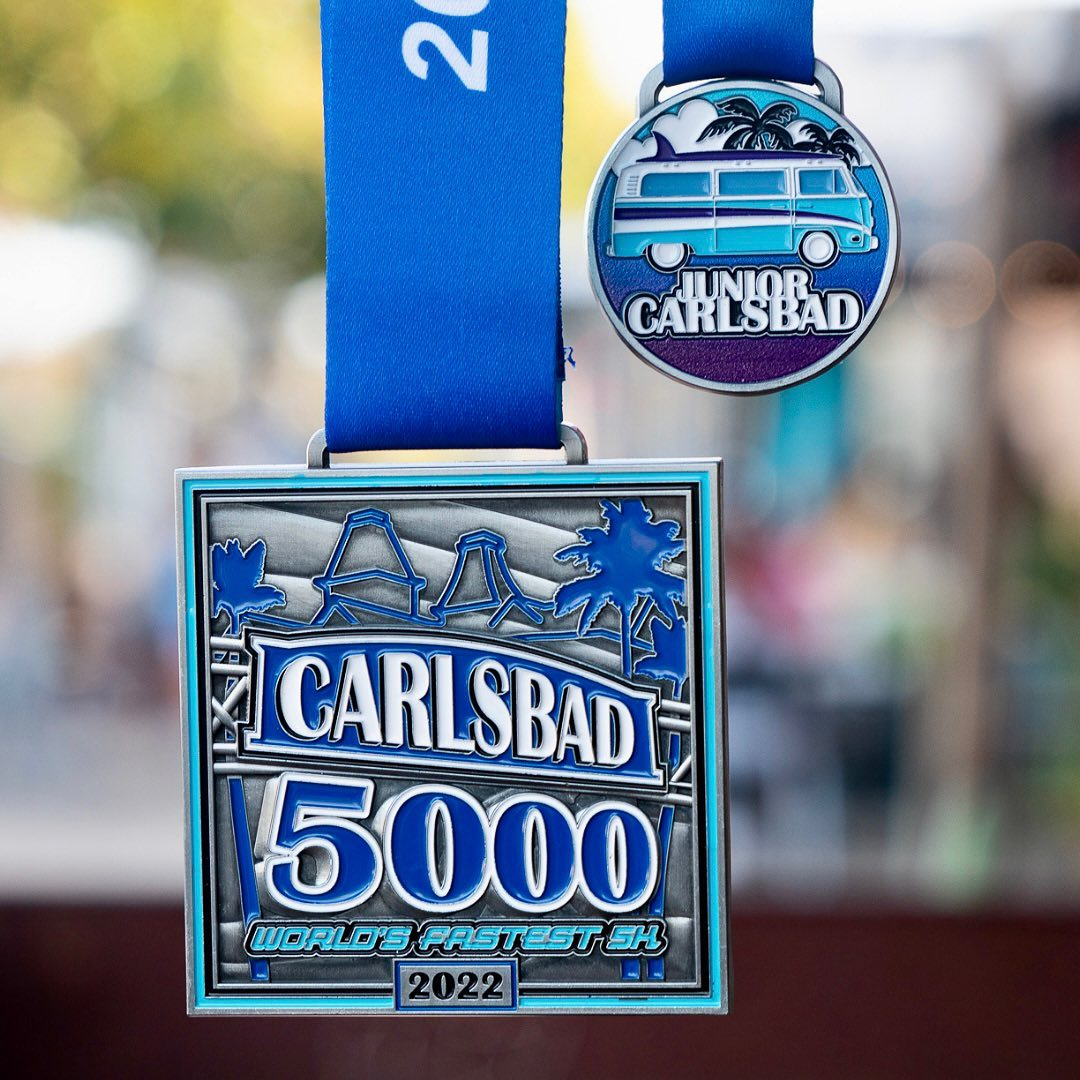
For business owners, marketing managers, and e-commerce operators in custom metal products—including medals, lapel pins, keychains, and commemorative coins—choosing the right finish is far more than an aesthetic choice. It directly shapes brand perception, product durability, perceived value, and customer satisfaction. A well-selected finish turns a basic metal blank into a premium award, souvenir, or branded merchandise that stands out in competitive markets. This guide covers the most widely used, industry-standard finishes for custom medals, with actionable insights to help you select the ideal option for your B2B orders, bulk campaigns, and retail inventory.
1. Polished Plated Finishes: Classic, Bright, and Timeless
Polished plated finishes are the foundation of the custom medal industry, offering brilliant reflectivity, consistent color, and professional appeal suitable for nearly every occasion. The most common options include shiny gold, shiny silver, and shiny bronze plating, each applied via electroplating to create a smooth, mirror-like surface that enhances fine details and logos. These finishes are ideal for corporate awards, sports competitions, official ceremonies, and standard promotional medals because they align with universal expectations of achievement and recognition. For bulk orders and fast-turnaround projects, polished plating delivers reliable quality, cost efficiency, and broad compatibility with zinc alloy, iron, and copper bases. Business buyers benefit from fast production timelines and low rejection rates, making polished plated finishes a safe, high-demand choice for mainstream e-commerce and wholesale clients.
2. Antique Finishes: Vintage Depth, Texture, and Contrast
Antique finishes add artistic character and visual depth by chemically darkening recessed areas while leaving raised surfaces polished, creating strong contrast that highlights engraving, 3D contours, and intricate patterns. Available in antique gold, antique silver, antique bronze, antique copper, and antique black nickel, these finishes are widely favored for commemorative medals, military-style honors, historical souvenirs, and heritage-themed merchandise. Unlike bright plating, antique finishes hide fingerprints, minor scratches, and daily wear, improving long-term appearance for products intended for display or collection. For B2B buyers targeting premium, nostalgic, or luxury markets, antique finishes elevate perceived value without excessive cost, supporting higher pricing strategies and stronger customer retention for custom metal product stores.
3. Enamel Finishes: Vibrant Color, Brand Alignment, and Premium Detail
Enamel finishes bring full-color customization to medals, making them essential for brand-focused campaigns, event merchandise, and designs requiring bright, consistent coloring. There are two primary categories: soft enamel and hard enamel. Soft enamel provides a textured, slightly recessed color fill with excellent color versatility and cost efficiency, ideal for large-scale promotions, team merchandise, and entry-to-mid-tier retail products. Hard enamel, also known as cloisonné or epola, involves high-temperature firing and polishing to create a smooth, flat, jewel-like surface that is highly durable, scratch-resistant, and luxury-oriented. Both enamel types support precise brand color matching, making them indispensable for marketing managers and e-commerce operators building cohesive branded merchandise lines. When combined with metal plating, enamel finishes transform simple medals into high-perceived-value items that drive repeat orders and positive reviews.
4. Specialty & Modern Finishes: Innovation for Unique Selling Propositions
Specialty finishes help custom medal businesses stand out in crowded markets by offering distinctive styles and advanced performance. Matte finishes provide a subtle, non-reflective surface that exudes understated elegance and resists smudging, perfect for minimalist corporate awards and modern design themes. Black nickel and gunmetal finishes deliver industrial, contemporary styling popular in tech, esports, and streetwear branding. PVD (Physical Vapor Deposition) coatings offer exceptional durability, fade resistance, and corrosion protection, ideal for outdoor medals, heavy-use awards, and long-term commemorative pieces. Additional specialty options include sandblasting, dual plating, rainbow plating, and glow-in-the-dark coatings, each supporting unique selling points (USPs) for e-commerce listings. For business owners aiming to capture niche markets, these finishes expand product ranges and attract high-value clients seeking exclusive custom solutions.
5. Protective Coatings: Preserve Appearance & Extend Product Lifespan
Protective coatings are critical for maintaining finish quality, reducing after-sales issues, and improving customer satisfaction in the custom metal products industry. Epoxy dome coating—often called epoxy resin—creates a clear, glossy, domed layer that shields enamel, printing, and plating from scratches, fading, and moisture damage. Flat clear coating provides a protective barrier without altering the medal’s texture or shine, suitable for polished and antique finishes. These coatings are especially valuable for wholesale, export, and retail orders where products may experience handling, shipping, or long-term display. For e-commerce operators, protective coatings reduce return rates, improve product longevity claims, and strengthen trust with business buyers who prioritize reliable, long-lasting custom merchandise. Investing in protective finishing supports brand reputation and encourages recurring B2B partnerships.
FAQ: Frequently Asked Questions About Custom Medal Finishes
Q1: What is the most popular finish for bulk custom medals?
Shiny gold, shiny silver, and shiny bronze polished plating remain the most popular for bulk orders due to their classic look, fast production, affordability, and broad acceptance across industries and events.
Q2: Are antique finishes more durable than polished finishes?
Antique finishes are less prone to showing scratches and fingerprints, but both antique and polished finishes offer similar structural durability when paired with a protective clear coat.
Q3: What is the difference between soft enamel and hard enamel?
Soft enamel has a textured, recessed color surface and is cost-effective for large orders. Hard enamel is smooth, polished, and extremely durable, making it ideal for high-end awards and luxury products.
Q4: Can I combine multiple finishes on one medal?
Yes, dual plating, mixed enamel-and-plating, and contrast finishes are widely used to create unique, high-detail designs that support premium pricing and custom requests.
Q5: Do all medals need a protective coating?
While not mandatory, protective epoxy or clear coating significantly extends lifespan, prevents fading and scratching, and improves customer satisfaction—especially for shipped or frequently handled products.
Q6: How do I choose the best finish for my brand or event?
Select polished plating for traditional awards, antique for vintage/commemorative themes, enamel for brand colors, matte/gunmetal for modern styling, and PVD for outdoor/durable use.
Q7: Do different finishes affect production time?
Standard polished and antique finishes have the shortest lead times. Hard enamel, PVD, and multi-process specialty finishes may add 1–3 business days due to extra manufacturing steps.
Q8: Are custom finishes compatible with lapel pins, keychains, and coins?
Yes, nearly all medal finishes—plating, antique, enamel, and protective coatings—are fully compatible with custom lapel pins, keychains, commemorative coins, and other metal merchandise.
Table of Contents
- 1. Polished Plated Finishes: Classic, Bright, and Timeless
- 2. Antique Finishes: Vintage Depth, Texture, and Contrast
- 3. Enamel Finishes: Vibrant Color, Brand Alignment, and Premium Detail
- 4. Specialty & Modern Finishes: Innovation for Unique Selling Propositions
- 5. Protective Coatings: Preserve Appearance & Extend Product Lifespan
-
FAQ: Frequently Asked Questions About Custom Medal Finishes
- Q1: What is the most popular finish for bulk custom medals?
- Q2: Are antique finishes more durable than polished finishes?
- Q3: What is the difference between soft enamel and hard enamel?
- Q4: Can I combine multiple finishes on one medal?
- Q5: Do all medals need a protective coating?
- Q6: How do I choose the best finish for my brand or event?
- Q7: Do different finishes affect production time?
- Q8: Are custom finishes compatible with lapel pins, keychains, and coins?