Meta Description
Learn how to launch a corporate coin program: define the purpose, design a coin your team will carry, set clear award criteria, and choose a manufacturer that delivers quality.
Unlike gift cards and bonuses that are spent and forgotten, a recognition coin is carried, shown, and talked about for years. More companies are adding
custom challenge coins to their employee recognition programs — not as a replacement for financial rewards, but as a symbol of belonging that money cannot buy. This guide covers why coins work, how to design them, and the three pillars of a program people actually value.
|
 |
1. Why Recognition Coins Outperform Other Awards
They last: A coin stays in a pocket or on a desk for years — long after the ceremony is over.
They carry a story: The challenge tradition and presentation ritual give the award meaning beyond its value.
They build culture: A shared symbol makes employees feel part of something bigger than their role.
They are cost-effective: Per employee, coins cost a fraction of most awards — while holding their perceived value.
Recognizing with a coin does not replace bonuses — it makes them memorable. The two work best together.
|
2. Designing a Coin Your Team Will Carry
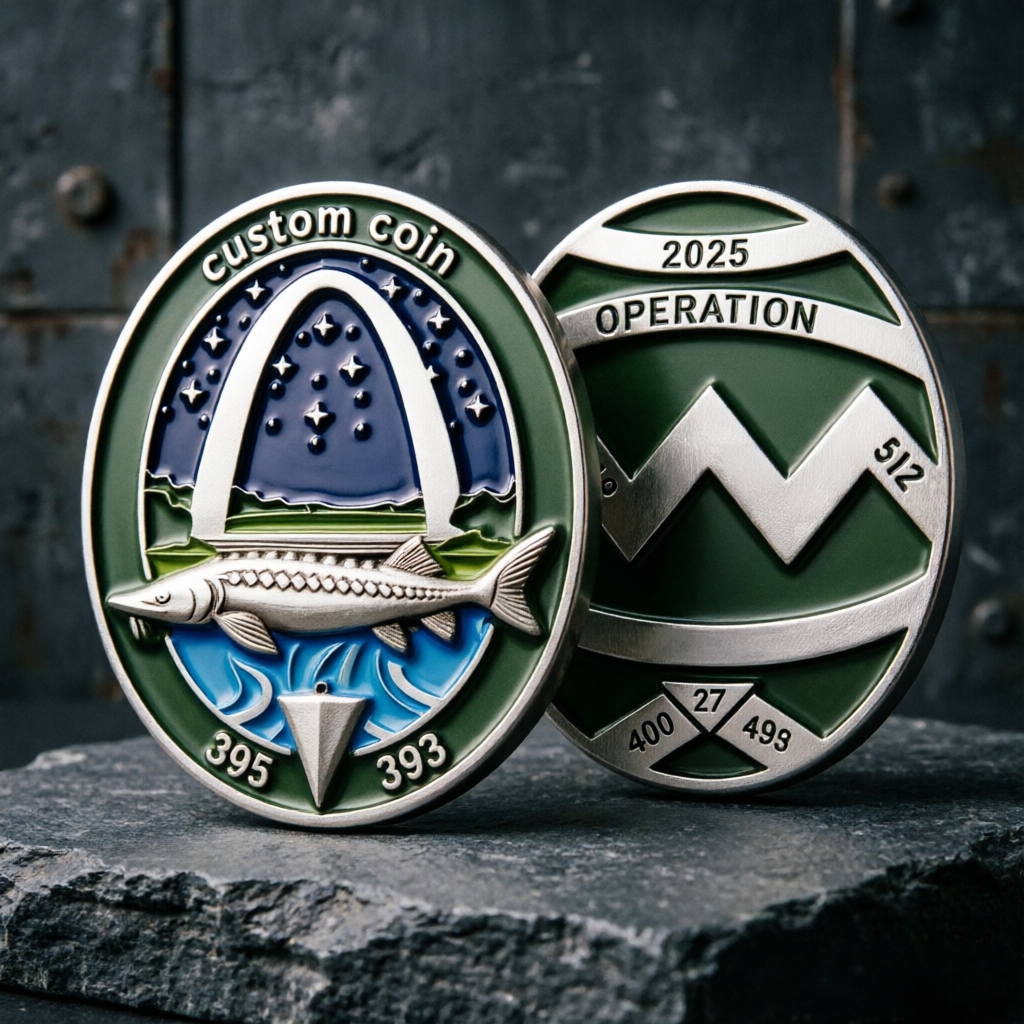
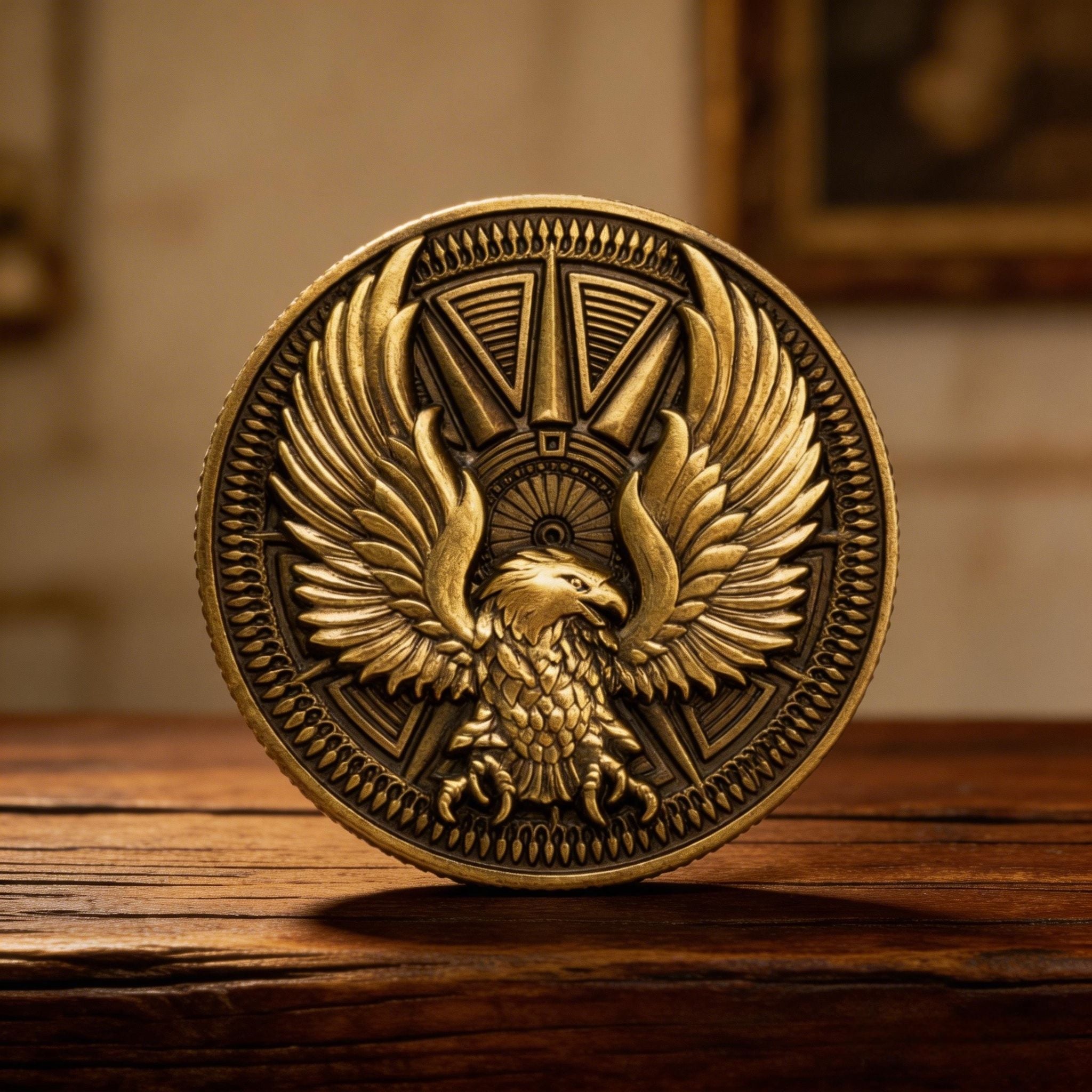
Double-sided design: Company emblem on the front, mission or milestone message on the back — the standard corporate layout.
Relief style: Traditional flat designs, raised 3D relief, or a combination for depth and premium feel.
Diameter: 1.5–2 inches is standard; larger coins make a bolder statement but cost more per unit.
Edge options: Plain, rope edge, or diamond-cut edges give a distinctly finished look.
Plating: Antique gold, antique silver, polished nickel, and black nickel each change the character of the coin.
Enamel color: Soft and hard enamel fills bring logos to life — send Pantone codes for exact matches.
|
3. Purpose, Criteria & Ritual: The Three Pillars
Define the purpose: Recognition, milestone, or annual award — the purpose shapes the design and the message.
Set clear criteria: Employees should know exactly what earns a coin: sales targets, project completions, safety records, anniversaries.
Create a presentation ritual: Award the coin in a team meeting with a firm handshake and a few words — the moment is the memory.
Repeat and evolve: Annual awards, new tiers, and department editions keep the program fresh and attainable.
|
4. Budgeting & Ordering Your Coin Program
MOQ: 100–500 pcs depending on design complexity; higher volumes lower the per-unit price significantly.
Mold / tooling fee: One-time $100–$400 per design for die casting, shared across multiple coin designs if artwork allows.
Sample development: 7–10 days for 3D mockup plus physical sample approval.
Bulk lead time: 20–35 days — order at least 8–10 weeks before your first award ceremony.
Spares: Add 5–10% extra for new hires, last-minute awards, and replacements.
Presentation: Velvet bags and display boxes elevate the moment of award — ask about packaging options.
|
5. Why Source From a Specialized Manufacturer?
Whether you are honoring a sales champion or a 10-year veteran, the coin is what your people carry — make it worthy of the story. The same die-striking, plating, and enamel craftsmanship behind our custom sports medals and custom enamel pins goes into every Unitepins challenge coin. We offer free design mockups, no MOQ for samples, and factory-direct pricing from our 5,100 m² facility with 21 years of OEM/ODM experience.
Get a Free Quote →
|
FAQ
Q: How many coins should we order for our company?
A: Order for your first year of awards plus a 10% buffer, then reorder as the program grows. Most programs start with 100–500 pcs, with tiers and new editions added later.
Q: Can we create multiple tier designs?
A: Yes. If artwork allows, several designs can share the same mold, which significantly reduces the one-time tooling cost for multi-tier programs.
Q: Do coins come with presentation cases?
A: Yes. Velvet bags, acrylic cases, and display boxes are available — presentation options make the moment of award more memorable.
Q: What is the minimum order for a pilot program?
A: MOQ typically starts at 100–500 pcs depending on design complexity. Sample development is available with no minimum — perfect for approving the design before committing.

 EN
EN


 Hot News