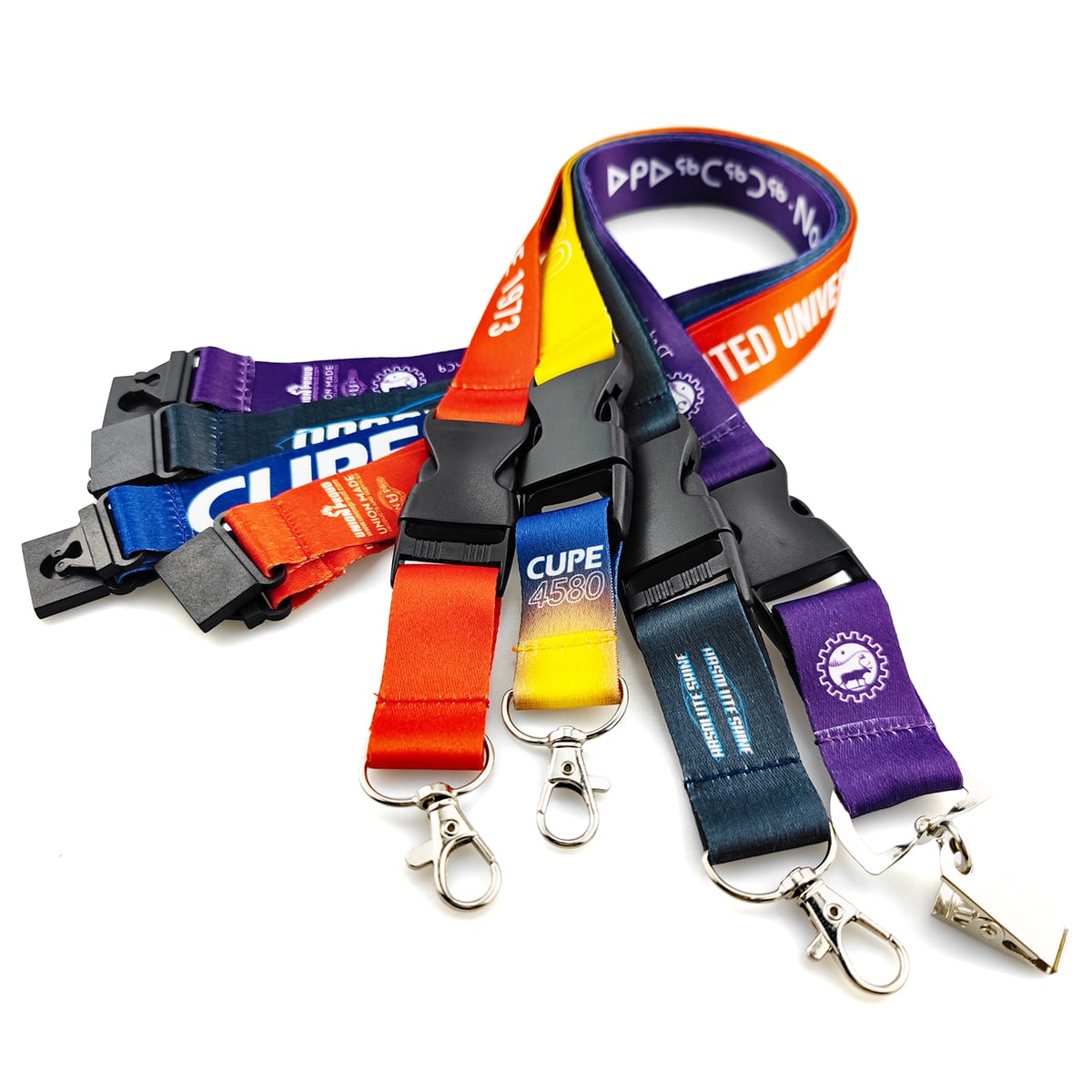
Inom B2B-verksamhet utgör varje varumärkeskontaktpunkt en möjlighet att förstärka identiteten, effektivisera processer och bygga förtroende. Bland de ofta överskattade verktygen som levererar mångfacetterat värde finns anpassade lanyards. Långt bortom enkla tillbehör för att hålla id-handlingar eller ID-kort har lanyards utvecklats till strategiska tillgångar för företag som vill öka synligheten vid konferenser, optimera evenemangshantering och stärka intern säkerhet genom anställdas ID-program. För företagsägare, marknadsföringschefer och e-handelsoperatörer inom branschen för anpassade metallprodukter – såsom dem som specialiserar sig på nyckelringar, brickor och minnesmynt – kan integrering av lanyards i konferens-, evenemangs- och interna ID-strategier skapa synergieffekter som höjer varumärkesigenkänningen, förbättrar driftseffektiviteten och främjar långsiktig engagemang. Denna artikel utforskar konkreta sätt att utnyttja lanyards i dessa tre avgörande scenarier, med fokus på praktisk genomförande, professionell varumärkesbildning och kostnadseffektiva lösningar som är i linje med B2B-mål.
1.Utnyttja märkesklämband för ökad synlighet och engagemang vid konferenser
Konferenser är idealiska platser för B2B-nätverkande, leadgenerering och varumärkespositionering – och anpassade lanyards utmärker sig som kostnadseffektiva verktyg med hög påverkan för att maximera dessa möjligheter. Nyckeln till framgång ligger i att designa lanyards som balanserar synlighet för varumärket med praktisk användning, så att de resonerar hos målgruppen samtidigt som de fyller en funktionell roll. Först bör företag prioritera konsekvens i varumärkesuttryck genom att inkludera centrala visuella element: logotyper bör placeras tydligt (helst i stark kontrast mot lanyardmaterialet) och överensstämma med befintliga varumärkesriktlinjer, medan slogans eller nyckelvärdeomdömen kan läggas till diskret för att undvika en överfull design. Till exempel kan ett teknikföretag som deltar i en branschkonferens välja ett elegant, minimalistiskt lanyard i sitt varumärkes primärfärg, med ett broderat logo för hållbarhet och en diskret slogan som ”Innovating for Enterprise Solutions” invävd i materialet. Utöver estetik bidrar funktionalitet till engagemang: lanyards bör vara utformade för att säkert hålla konferensbrickor, med slitstarka krokar eller hängen som förhindrar förlust, och eventuellt integrerade små tillbehör som visitkortshållare eller USB-minnen (förinstallerade med bolagsbroschyrer eller produktdemoer) för att uppmuntra uppföljning efter konferensen. För att ytterligare öka synligheten kan företag distribuera dessa märkespräglade lanyards till talare, sponsorer och deltagare – och därmed omvandla varje deltagare till en varumärkesambassadör. Dessutom visar det avstämning mot konferensens tema (till exempel genom att använda ekologiska material vid en konferens med fokus på hållbarhet) företagets värderingar och skapar djupare kopplingar till likasinnade deltagare. För e-handelsoperatörer inom anpassade metallprodukter innebär detta en möjlighet att korsmarknadsföra kompletterande produkter: kombinera lanyards med anpassade metallbrickor eller nyckelringar som ett konferenskit, vilket inte bara ökar den upplevda värdet utan också utvidgar varumärkeskontaktpunkterna bortom själva evenemanget.
2. Designa funktionella lanyards för att effektivisera evenemangshantering och deltagarupplevelse
När det gäller företagsevenemang – oavsett om det handlar om produktlanseringar, mässor eller interna teamträffar – spelar lanyards en avgörande roll för att effektivisera verksamheten och förbättra deltagarnas upplevelse. Det främsta målet är att utforma lanyards som fungerar som operativa verktyg samtidigt som varumärkets integritet bevaras. En av de mest effektiva strategierna är att använda färgkodade lanyards för att kategorisera deltagare, till exempel genom att använda olika färger för VIP:ar, media, personal och vanliga deltagare. Detta gör att evenemangspersonal snabbt kan identifiera personer och ge rätt tillträde eller hjälp: till exempel kan VIP-lanyards ge tillträde till exklusiva nätverkslounges, medan personalens lanyards säkerställer enkel igenkänning för deltagare som söker hjälp. För att öka säkerheten och kontrollen av tillträde kan företag integrera RFID-chip eller streckkodsläsare i lanyards, vilket möjliggör smidig incheckning, spårning av sessioner och tillträde till begränsade områden. Detta minskar inte bara köer vid entréer utan ger också värdefull data om deltagarnas beteende – till exempel frekvensen av deltagande i sessioner och besök på bås – vilket kan forma framtida evenemangsstrategier. För utomhusevenemang eller flerdagarsarrangemang är hållbarhet och väderbeständighet avgörande: att välja material som polyester eller nylon säkerställer att lanyards tål slitage, medan funktioner som vattentäta brickhållare skyddar viktiga identitetsbevis. Praktikalitet bör även omfatta komfort för deltagarna: lättviktiga material, justerbara längder och lossningslås (för att förhindra olyckor) förbättrar användbarheten så att deltagare hellre bär lanyards hela evenemangets gång. För marknadsföringschefer kan dessa funktionella lanyards också fungera som ett verktyg för datainsamling: genom att uppmuntra deltagare att skanna sina lanyards vid bås eller under workshops kan företag samla in kontaktuppgifter för lead-näring. E-handelsoperatörer kan dra nytta av detta genom att erbjuda anpassade lanyard-paket som inkluderar dessa funktionella element – till exempel RFID-aktiverade lanyards kombinerade med anpassade metallnamnsbrickor – och därmed positionera sig som komplett leverantör för evenemangsbranding och hantering.
3. Genomförande av säkra och professionella lanyard-ID-program för internt anställdhantering
Program för anställda-ID är en grundsten för intern säkerhet och organisatorisk effektivitet, och hängslen är en integrerad del av dessa program – de kombinerar professionalism med praktikalitet. När ett ID-program med hängslen införs måste företag prioritera säkerhet, slitstyrka och överensstämmelse med varumärket. För det första är valet av rätt material kritiskt: i högsäkerhetsmiljöer (till exempel tillverkningsanläggningar, datasälen) erbjuder slitstarka material som vävt polyester eller Kevlar motståndskraft mot manipulation, medan lossningslås säkerställer anställdas säkerhet om hängslet fastnar i utrustning. Bifogandet av ID:t – oavsett om det är en metallkrok, svänghake eller brickreel – bör vara tillräckligt robust för att hålla ID-korten säkert, vilket minskar risken för förlust eller stöld. Varumärkesföring bör vara diskret men konsekvent: att integrera företagets logotyp i en liten, smakfull design säkerställer att hängslena förstärker varumärkets identitet utan att vara distraherande i en professionell miljö. För organisationer med flera avdelningar kan man förenkla intern identifiering genom att använda färgkodade hängslen efter avdelning eller arbetsroll (till exempel blå för försäljning, grön för drift, röd för ledning), vilket underlättar processer som besöksregistrering. För att ytterligare förbättra säkerheten kan företag välja hängslen med inbyggda säkerhetsfunktioner, såsom holografiska tryck eller anpassade mönster som är svåra att förfalska, eller integrera dem med åtkomstkontrollsystem (till exempel kompatibilitet med magnetband eller smartkort) för att begränsa tillträde till känsliga områden. Medarbetarnas engagemang är också avgörande: att involvera anställda i designprocessen (till exempel genom att undersöka preferenser för material eller färg) ökar acceptansen, medan tydliga riktlinjer för användning av hängslen säkerställer konsekvens. För företagsägare innebär ett välimplementerat ID-program med hängslen inte bara förbättrad säkerhet utan främjar även en känsla av tillhörighet och professionalism bland anställda. För e-handelsoperatörer inom branschen för anpassade metallprodukter innebär detta en specialiserad möjlighet att erbjuda skräddarsydda lösningar: leverera anpassade hängslen som kombineras med metall-ID-brickor, graverade med anställdas namn eller avdelningslogotyper, och betona säkerhetsfunktioner för att attrahera företag som sätter värde på intern säkerhet.
4. Balansera kostnadseffektivitet och kvalitet i anpassning av lanyards för skalbara lösningar
För företag av alla storlekar – från startups till stora koncerner – är det en viktig övervägning att balansera kostnadseffektivitet med kvalitet när man investerar i lanyards för konferenser, evenemang eller anställdas ID-program. Det första steget för att uppnå denna balans är att förstå det specifika användningsfallet och anpassa anpassningsalternativen därefter. För storskaliga konferenser eller evenemang med högt deltagarantal kan kostnadseffektiva material som polyester (som är slitstarkt, prisvärt och lätt att trycka på) minska kostnaderna utan att kompromissa med kvaliteten. Att beställa i stora partier är en annan effektiv strategi: de flesta leverantörer av anpassade lanyards erbjuder volymrabatter, vilket gör det mer ekonomiskt att beställa stora mängder för återkommande evenemang eller långsiktiga ID-program för anställda. Kvalitet bör dock aldrig offras för kostnad – särskilt inte för ID-lanyards för anställda, som används dagligen och måste tåla regelbunden slitage. För dessa långsiktiga användningsområden innebär investering i något bättre material, som nylon eller vävd polyester, ökad livslängd, vilket minskar behovet av ofta utbyten och slutligen sparar pengar över tid. Anpassningsalternativ påverkar också kostnaden: även om färgtryck eller broderi ger högre varumärkes synlighet så är det dyrare. Företag kan optimera kostnader genom att använda enfärgstryck för stora serier eller begränsa detaljrika design till viktiga områden (t.ex. loggan). En annan kostnadseffektiv taktik är att skapa mångsidiga lanyards som kan användas i flera scenarier – exempelvis en lanyard i neutral färg med en klassisk logga kan användas både för interna anställda-ID:n och externa konferenser, vilket eliminerar behovet av separata anpassade beställningar. För e-handelsoperatörer innebär att kommunicera dessa besparingsstrategier till kunder – till exempel att rekommendera stora partier, mångsidiga design eller kostnadseffektiva material – att positionera sig som betrodda rådgivare, samtidigt som trappad prissättning (grundläggande, standard, premium) möjliggör anpassning till företag med olika budgetar. Dessutom hjälper det kunderna att se värdet bortom den initiala investeringen genom att lyfta fram avkastningen (ROI) på kvalitetslanyards – exempelvis förbättrad varumärkesigenkänning, minskade driftskostnader tack vare strömlinjeformad hantering av evenemang eller förbättrad säkerhet som minskar risker.
5. Integrering av lanyards på konferenser, evenemang och anställda-ID-program för sammanhängande varumärkesbyggande
Det verkliga värdet av lanyarder som en strategisk tillgång ligger i deras förmåga att skapa sammanhängande varumärkesprofilering över externa (konferenser, evenemang) och interna (anställd-ID-program) kontaktpunkter. En sammanhängande lanyardstrategi säkerställer att varumärkets visuella element – färger, logotyper, typografi – är konsekventa över alla användningsområden, vilket förstärker varumärkesigenkänning och bygger upp förtroende hos kunder, partners och anställda. För att uppnå detta bör företag utveckla tydliga varumärkesriktlinjer för lanyarddesign, där acceptabla färger, logotypplaceringar och materialalternativ specificeras. Till exempel bör ett företag som använder en färgsättning med marinblått och guld för sina anställda-ID-lanyarder använda samma färger för konferens- och evenemangslanyarder, med mindre justeringar för att passa det specifika användningsfallet (till exempel ett mer livligt guld vid evenemang för att sticka ut, ett diskret mattguld för internt bruk). Att integrera kompletterande anpassade metallprodukter – såsom anpassade brickor, nyckelringar eller namnskyltar – med lanyarder förstärker ytterligare sammanhållningen: till exempel en anställd-ID-lanyard kombinerad med en metallbricka graverad med företagets logotyp, eller en konferenslanyard kopplad till en metallnyckelring som minnespresent. Denna korsbefrämjande stärker inte bara varumärkeskonsekvensen utan ökar även varumärkets exponering på lång sikt – anställdbrickor bär man dagligen, och evenemangsnyckelringar sparas ofta som souvenirs. För marknadsföringschefer förenklar en sammanhängande lanyardstrategi varumärkeshanteringen, eftersom det inte behövs omdesign av lanyarder för varje nytt evenemang eller program. Den skapar också en enhetlig varumärkesupplevelse: deltagare på en konferens som senare interagerar med anställda som bär matchande lanyarder kommer genast att känna igen varumärket, vilket främjar igenkännbarhet och förtroende. För e-handelsoperatörer innebär erbjudandet av paketerade lösningar – såsom lanyarder, metallbrickor och nyckelringar med konsekvent varumärkesprofilering – att positionera sig som omfattande lösningar för företag som vill förena sitt varumärke över interna och externa kontaktpunkter. Att ytterligare erbjuda designservice för att hjälpa kunder att anpassa sina lanyardstrategier till sina övergripande varumärkesriktlinjer kan lägga till värde och differentiera dem från konkurrenter.
I sammanfattning , hängslen är långt mer än bara enkla tillbehör – de är mångsidiga verktyg som kan förbättra varumärkessynlighet, effektivisera verksamheten, förbättra säkerheten och skapa samstämmig varumärkesbild vid konferenser, evenemang och program för anställdas ID-kort. Genom att fokusera på praktisk design, funktionella egenskaper, kostnadseffektivitet och konsekvent varumärkesprofil kan företag utnyttja hängslen för att nå konkreta affärs-till-affärs-mål, från att generera kunder vid konferenser till att stärka intern säkerhet. För företagsägare och marknadschefer är nyckeln att anpassa användningen av hängslen till specifika mål, oavsett om det handlar om att öka varumärkesigenkänning, optimera hanteringen av evenemang eller förbättra anställdas professionella intryck. För e-handelsoperatörer inom branschen för anpassade metallprodukter innebär hängslen en värdefull möjlighet att bredda sina produktutbud, korsmarknadsföra kompletterande artiklar och positionera sig som strategiska partners för företag som söker omfattande lösningar för varumärkesbyggande och drift. Genom att förstå de unika behoven i varje användningsområde och leverera skräddarsydda, högkvalitativa lösningar med hängslen kan företag förvandla detta ofta överlookade verktyg till en kraftfull tillgång för långsiktig framgång.
 Senaste nytt
 EN
EN