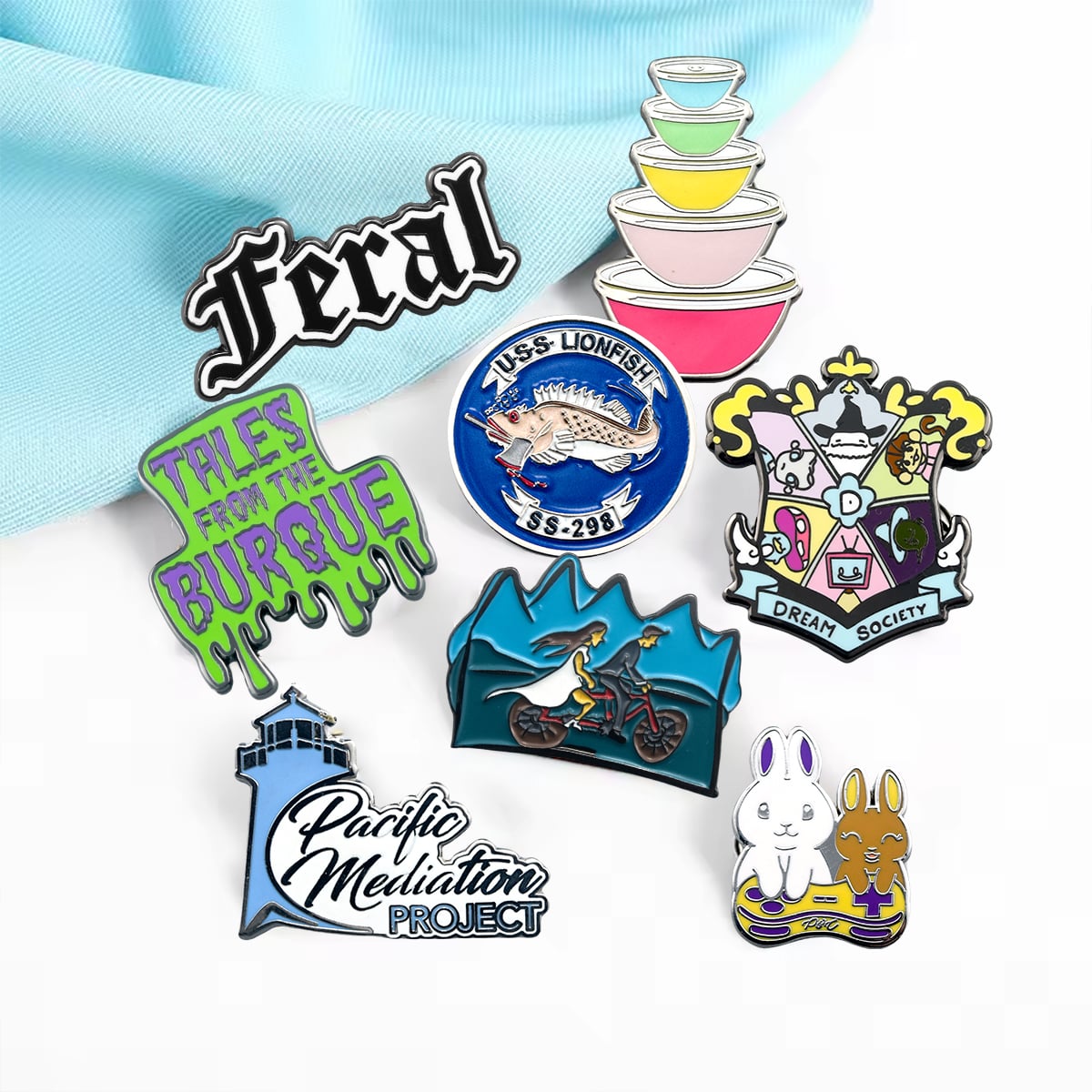
For business owners, marketing managers, and e-commerce operators in the custom metal products industry, keychains are more than just daily accessories—they are powerful branding tools, corporate gifts, and high-margin merchandise. The success of a custom keychain project often hinges on details that are easy to overlook, and the attachment type is one of the most critical among them. Choosing the right attachment not only affects the keychain’s durability, functionality, and aesthetics but also influences customer satisfaction, brand perception, and even production costs. In this article, we will explore the key factors in selecting keychain attachments, analyze common types, and provide actionable insights to help you make informed decisions for your business.
1. Key Factors to Consider When Selecting Keychain Attachments
Before diving into specific attachment types, it is essential to establish a decision-making framework based on your business goals and customer needs. First, clarify the keychain’s purpose: is it a promotional giveaway, a premium corporate gift, or a retail product? Promotional keychains may prioritize cost-effectiveness and mass production, while premium gifts require durability and sophisticated design. Second, consider the keychain’s material and weight—heavy metal keychains demand sturdier attachments than lightweight acrylic ones to avoid breakage. Third, factor in your target audience’s usage habits: for example, outdoor enthusiasts may prefer secure, rust-resistant attachments, while office workers might value sleek, low-profile designs that fit in pockets or bags. Finally, align the attachment with your branding: a minimalist attachment complements a modern brand image, while an ornate one enhances a luxury or traditional brand identity. By evaluating these factors upfront, you can narrow down options and avoid costly revisions or customer complaints.
2. Common Keychain Attachment Types and Their Applications
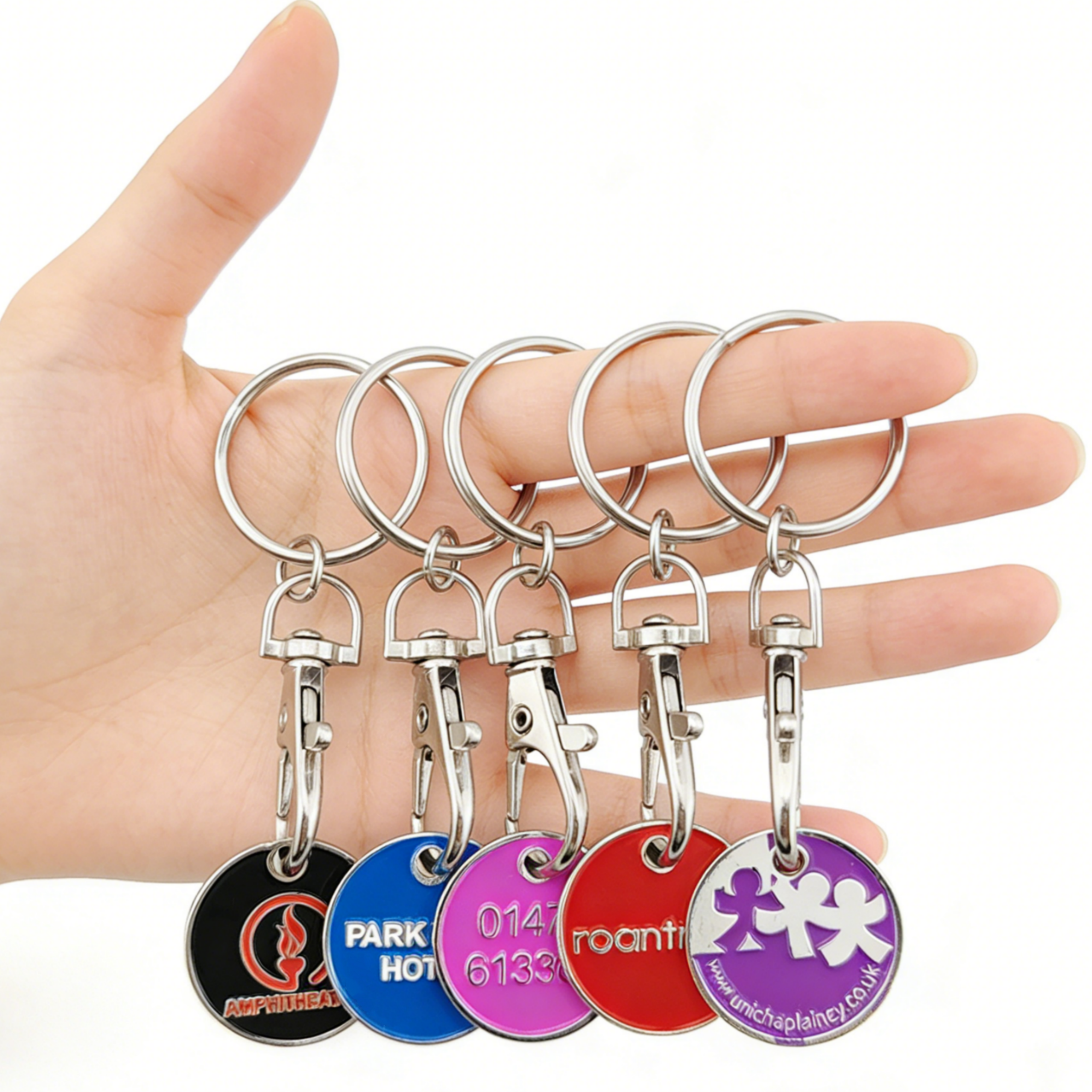
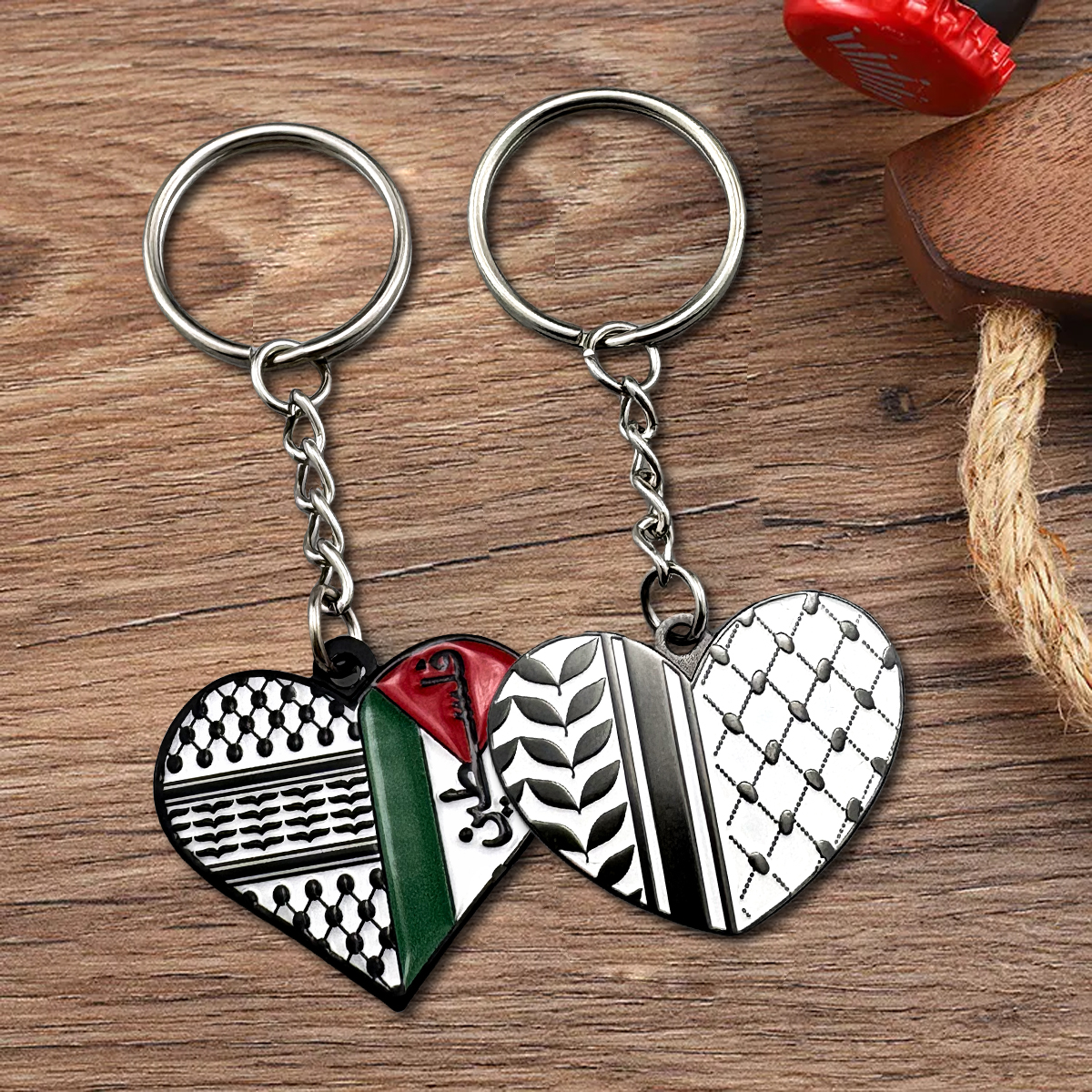
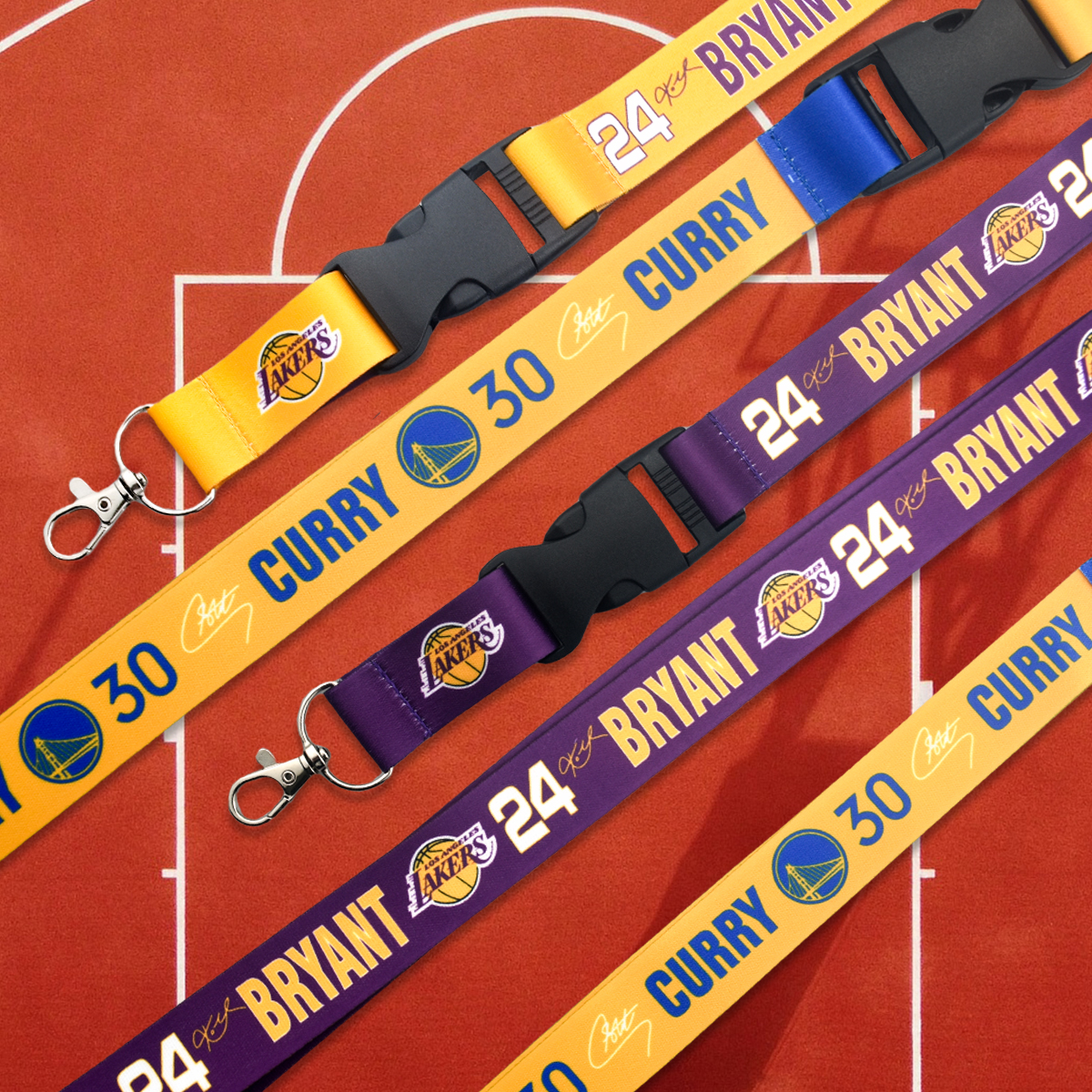
Understanding the characteristics of each attachment type is crucial for matching them to your use case. The lobster claw clasp is one of the most popular choices, known for its secure spring-loaded design that allows easy attachment and removal of keys. It is ideal for heavy-duty keychains (such as metal or leather ones) and is widely used in corporate gifts and retail products due to its balance of functionality and aesthetics. Split rings, also called key rings, are the most economical and classic option—they are simple to produce, compatible with all keychain styles, and suitable for promotional giveaways where cost is a primary concern. However, they can be difficult to open without tools, which may frustrate some users. Swivel hooks add versatility by allowing the keychain to rotate 360 degrees, preventing tangling and wear on keys or the keychain itself; they are perfect for high-end keychains, bag charms, or products intended for frequent use. Screw-on bails offer a permanent, seamless connection, making them ideal for delicate or valuable keychains (such as those with gemstones or intricate engravings) where durability and a polished look are non-negotiable. Finally, carabiner clips are favored for outdoor-themed keychains or utility-focused products, as they can attach to belts, backpacks, or gear, adding extra functionality beyond holding keys. For e-commerce operators, stocking a variety of these types allows you to cater to different customer segments and project requirements.
3. Balancing Aesthetics, Durability, and Cost
A common challenge for businesses is balancing three core priorities: aesthetics, durability, and cost. To achieve this balance, start by prioritizing factors based on your product tier. For budget-friendly promotional items, split rings or basic lobster claw clasps are optimal—they keep production costs low while meeting basic functionality needs. To enhance aesthetics without significant cost increases, opt for attachments with a matching finish to the keychain (e.g., nickel-plated attachments for nickel keychains) or subtle branding, such as engraved logos on lobster claws. For mid-tier to premium products, invest in high-quality materials like stainless steel or brass attachments, which resist rust and corrosion, extending the keychain’s lifespan and justifying a higher price point. Swivel hooks or screw-on bails, while slightly more expensive, add perceived value and differentiate your products from competitors. Additionally, consider bulk purchasing to reduce per-unit costs for premium attachments, and work closely with your manufacturer to optimize production processes—for example, integrating screw-on bails during the casting stage instead of as a separate assembly step can lower labor costs. By aligning attachment choices with your pricing strategy and brand positioning, you can deliver products that meet customer expectations without compromising profitability.
4. Industry-Specific Recommendations for Custom Metal Keychains
Custom metal keychains have unique requirements due to their material weight, production processes, and typical use cases, so industry-specific guidance is invaluable. For corporate gift projects, prioritize attachments that convey professionalism and longevity—stainless steel lobster claw clasps or swivel hooks with a matte or brushed finish are excellent choices, as they resist fingerprints and maintain a polished look over time. When creating keychains for events or promotions, split rings paired with a small decorative charm (e.g., a brand logo tag) offer a cost-effective way to boost brand visibility without sacrificing functionality. For e-commerce retailers selling artisanal or custom-engraved metal keychains, screw-on bails are recommended to ensure the attachment complements the intricate design and provides a secure connection that preserves the product’s value. If your target market includes outdoor or industrial clients, opt for heavy-duty carabiner clips made from galvanized steel, which withstand harsh environments and heavy use. Additionally, consider compliance with industry standards—for example, keychains intended for children must have attachments that are non-toxic and cannot be easily broken into small parts. By tailoring your attachment choices to the specific needs of the custom metal products industry, you can enhance product quality and customer trust.
5. Optimizing Attachment Selection for E-Commerce Success
For e-commerce operators, the right keychain attachment can also drive sales and reduce return rates. Start by highlighting attachment details in product descriptions and images—clear photos of the attachment, along with descriptions of its material, durability, and functionality, help customers make informed purchases and reduce post-purchase disappointment. Incorporate SEO keywords related to attachments (e.g., “stainless steel lobster claw keychain,” “360-degree swivel hook keychain”) in product titles, descriptions, and blog content to improve visibility in search results. Offer customization options for attachments, such as finish colors or engraved logos, to cater to B2B clients looking for branded solutions. Additionally, monitor customer reviews and feedback to identify common issues with attachments—if customers frequently complain about split rings being too tight, consider upgrading to easy-open split rings or offering lobster claw clasps as an alternative. Finally, bundle keychains with complementary attachments (e.g., keychain organizers paired with swivel hooks) to increase average order value. By integrating attachment selection into your e-commerce strategy, you can enhance the customer experience and drive long-term sales growth.
FAQ: Common Questions About Keychain Attachments
Q1: Which attachment type is the most durable for metal keychains? A1: Stainless steel screw-on bails and heavy-duty lobster claw clasps are the most durable options for metal keychains. They resist rust, corrosion, and breakage, even with frequent use and exposure to the elements. Screw-on bails offer a permanent connection, making them ideal for valuable or heavy metal keychains, while stainless steel lobster claws provide a secure, reusable closure.
Q2: How does attachment type affect production lead times? A2: Simple attachments like split rings have the shortest lead times, as they require minimal assembly and are widely available. More complex attachments, such as custom-engraved swivel hooks or screw-on bails, may add 1-3 days to production time due to additional manufacturing steps. Working with a manufacturer that stocks common attachment types can help minimize delays.
Q3: Can I customize the color or finish of keychain attachments? A3: Yes, most attachments can be customized with finishes like nickel, gold, silver, brass, or black oxide to match the keychain’s design. Some manufacturers also offer custom colors via powder coating, though this may increase costs and lead times. It is recommended to choose a finish that complements the keychain’s material for a cohesive look.
Q4: Are there safety considerations for keychain attachments? A4: Yes, especially for keychains intended for children or public use. Attachments must be large enough to avoid choking hazards (typically at least 1.5 inches in diameter for small parts) and made from non-toxic materials. For industrial or outdoor use, ensure attachments meet strength standards to prevent breakage and injury.
Q5: How do I choose between reusable and permanent attachments? A5: Reusable attachments (lobster claws, split rings, carabiners) are ideal for keychains that need to hold multiple keys or be easily detached from bags/gear. Permanent attachments (screw-on bails, soldered loops) are better for keychains that are purely decorative, valuable, or intended to have a seamless design without the risk of accidental detachment.

 EN
EN


 Hot News