The production of custom medals represents a fascinating blend of traditional craftsmanship and modern manufacturing techniques that transform raw materials into prestigious symbols of achievement. Understanding the complete manufacturing process reveals the intricate steps required to create these meaningful awards that recognize excellence in sports, academics, corporate achievements, and countless other accomplishments. The journey from initial concept to finished custom medals involves multiple specialized stages, each requiring precise attention to detail and quality control measures.
The production process begins with the conceptualization phase, where designers collaborate with clients to understand their specific requirements and vision for the awards. This stage involves detailed discussions about the medal's purpose, target audience, design elements, and symbolic meaning. Professional designers utilize advanced computer-aided design software to create detailed digital renderings that showcase every aspect of the proposed medal design.
During this phase, designers consider various factors including size specifications, material preferences, color schemes, and any special finishing requirements. The creative team often presents multiple design options, allowing clients to compare different approaches and select the most appropriate solution for their needs. This collaborative process ensures that the final design accurately reflects the client's brand identity and the significance of the achievement being recognized.
Once the visual design receives approval, technical specifications are developed to guide the manufacturing process. These specifications include precise measurements, material compositions, thickness requirements, and detailed production instructions. Engineers create technical drawings that specify tolerances, surface treatments, and quality standards that must be maintained throughout production.
The specification phase also involves material selection, where experts evaluate different metal alloys, plating options, and finishing techniques based on durability requirements, aesthetic preferences, and budget considerations. This technical foundation ensures consistency and quality across the entire production run while establishing clear parameters for manufacturing teams to follow.
The foundation of high-quality custom medals begins with careful selection of raw materials that meet strict industry standards. Manufacturers typically work with various metal alloys including zinc, brass, copper, and precious metals, depending on the desired quality level and budget requirements. Each material batch undergoes thorough inspection to verify composition, purity levels, and physical properties before entering the production process.
Quality control specialists conduct comprehensive testing to ensure materials meet specified standards for strength, corrosion resistance, and workability. This rigorous evaluation process prevents defects and ensures consistent results throughout the manufacturing cycle. Material traceability systems track each batch from supplier to finished product, maintaining detailed records for quality assurance purposes.
Raw materials undergo initial processing steps that prepare them for the primary manufacturing operations. This preparation includes cutting materials to appropriate sizes, cleaning surfaces to remove any contaminants or oxidation, and performing any necessary heat treatments to achieve optimal working properties. Precision cutting equipment ensures accurate dimensions while maintaining material integrity.
Surface preparation is crucial for achieving high-quality finishes and ensuring proper adhesion of subsequent coatings or platings. Specialized cleaning processes remove oils, dirt, and other contaminants that could compromise the final product quality. These preparatory steps establish the foundation for successful downstream operations and contribute significantly to the overall quality of the finished medals.
The primary manufacturing method for producing custom medals involves die striking, a process that uses specially crafted steel dies to impress detailed designs onto metal blanks. Master craftsmen create these dies through precise machining operations that capture every detail of the approved design. The die-making process requires exceptional skill and attention to detail, as the quality of the dies directly impacts the final product appearance.
During the striking process, metal blanks are positioned between matching dies and subjected to tremendous pressure using hydraulic or mechanical presses. This pressure forces the metal to flow into the intricate recesses of the dies, creating raised and recessed areas that form the medal's design elements. Multiple strikes may be necessary to achieve the desired detail level and dimensional accuracy, with each strike carefully controlled to prevent damage to the dies or workpieces.
Modern medal production also utilizes advanced manufacturing techniques such as casting, laser engraving, and CNC machining for specific applications or design requirements. Casting processes are particularly useful for creating complex three-dimensional designs or when working with precious metals that require specialized handling. Investment casting techniques enable the production of highly detailed medals with intricate features that would be difficult or impossible to achieve through traditional striking methods.
Laser engraving technology offers exceptional precision for adding fine details, text, or personalization elements to medal surfaces. This computer-controlled process ensures consistent results across large production runs while enabling mass customization capabilities. CNC machining provides additional options for creating unique edge profiles, cut-out designs, or multi-level surface features that enhance the visual impact of finished medals.

Surface finishing represents a critical phase in custom medal production, where various plating and coating processes enhance both appearance and durability. Electroplating operations apply thin layers of precious metals such as gold, silver, or copper to create attractive finishes that resist tarnishing and corrosion. The plating process requires careful control of electrical parameters, solution chemistry, and timing to achieve uniform coverage and proper adhesion.
Advanced coating technologies include powder coating, anodizing, and specialized protective finishes that provide enhanced durability and unique aesthetic effects. These processes are selected based on the intended use environment, desired appearance, and performance requirements. Quality control measures throughout the finishing process ensure consistent color matching, proper thickness, and adherence to specification requirements.
Polishing operations refine surface textures and enhance the visual appeal of medals through mechanical and chemical processes. Skilled technicians use various abrasive compounds and polishing equipment to achieve the desired surface finish, whether it be a mirror-bright polish, satin finish, or antique effect. These finishing operations require considerable expertise to maintain design details while achieving uniform surface quality.
Detail enhancement techniques include hand-finishing operations that highlight specific design elements, create contrast between raised and recessed areas, or apply special effects such as sandblasting or texturing. These artisanal touches add distinctive character to custom medals and demonstrate the high level of craftsmanship involved in their production. Final inspection ensures that all finishing work meets established quality standards before proceeding to assembly operations.
The assembly phase involves integrating various components to create complete award packages that are ready for presentation. This process includes attaching ribbons, lanyards, pins, or other hardware elements that enable proper display and wearing of the medals. Specialized equipment and techniques ensure secure attachment while maintaining the aesthetic integrity of the overall design.
Hardware selection considers factors such as intended use, recipient preferences, and presentation requirements. Options include standard ribbon configurations, neck ribbons with safety releases, pin-back attachments, or magnetic fasteners depending on the specific application. Quality control procedures verify that all attachments are properly secured and that hardware components meet durability and safety standards.
Professional packaging enhances the perceived value of custom medals while providing protection during shipping and storage. Packaging options range from simple protective pouches to elaborate presentation boxes with custom foam inserts and branding elements. The packaging design often reflects the prestige level of the award and the image that the presenting organization wishes to project.
Custom packaging solutions may include branded boxes, certificates of authenticity, descriptive literature, or other materials that complement the award presentation. These elements work together to create a memorable unboxing experience that reinforces the significance of the achievement being recognized. Packaging operations require careful handling to prevent damage to finished medals and ensure that presentation materials are properly aligned and secured.
Quality assurance represents a continuous process that occurs throughout every phase of medal production, with comprehensive inspection procedures designed to identify and correct any deviations from established standards. Trained quality control specialists examine materials, work-in-process items, and finished products using standardized checklists and measurement protocols. These inspections verify dimensional accuracy, surface quality, and overall workmanship against predetermined acceptance criteria.
Advanced inspection techniques include coordinate measuring machines for dimensional verification, surface profilometers for finish evaluation, and specialized optical equipment for detailed visual examination. Statistical process control methods track quality metrics over time, enabling early detection of process variations and implementation of corrective actions before defects occur. This proactive approach minimizes waste and ensures consistent product quality across all production runs.
Durability testing protocols evaluate the long-term performance characteristics of custom medals under various environmental conditions and usage scenarios. These tests may include exposure to temperature extremes, humidity variations, salt spray corrosion testing, and mechanical stress evaluation. Results from these tests validate design decisions and manufacturing processes while providing confidence in product longevity.
Accelerated aging tests simulate years of normal use in compressed timeframes, revealing potential failure modes or degradation patterns before products reach customers. This information enables continuous improvement efforts and helps manufacturers refine their processes to enhance product durability. Documentation of test results provides valuable data for warranty decisions and customer communications regarding expected product lifespans.
Custom medals are typically manufactured using various metal alloys including zinc alloy, brass, copper, and bronze as base materials. Premium medals may utilize precious metals such as gold, silver, or platinum either as solid construction or as plating over base metals. The choice of material depends on budget considerations, intended use, durability requirements, and desired aesthetic appearance. Zinc alloy offers excellent detail reproduction and cost-effectiveness, while brass provides superior corrosion resistance and a classic appearance.
The complete production timeline for custom medals varies depending on design complexity, quantity ordered, and current production schedules, but typically ranges from 2-4 weeks for standard orders. Initial design and approval phases usually require 3-5 business days, while die creation takes an additional 5-7 days. Manufacturing, finishing, and quality control operations generally require 7-10 days, with final assembly and packaging completed in 2-3 days. Rush orders may be accommodated with expedited scheduling, though additional fees typically apply.
Design limitations for custom medals primarily relate to minimum feature sizes, text readability, and manufacturing process capabilities. Fine details smaller than 0.5mm may not reproduce clearly through die striking processes, while text smaller than 1.5mm height may be difficult to read clearly. Complex undercuts or extremely deep recesses may require alternative manufacturing methods such as casting. Color limitations exist for certain finishing processes, and designers should consider how different elements will appear in the final three-dimensional form versus flat artwork.
Quality maintenance involves multiple checkpoints throughout production, beginning with incoming material inspection and continuing through final packaging. Each production stage includes specific quality control measures such as dimensional verification, surface finish evaluation, and visual inspection against established standards. Statistical process control methods monitor key parameters continuously, while sample testing validates process performance. Final inspection procedures include comprehensive evaluation of all specifications before products are approved for shipment, ensuring consistent quality across all delivered items.

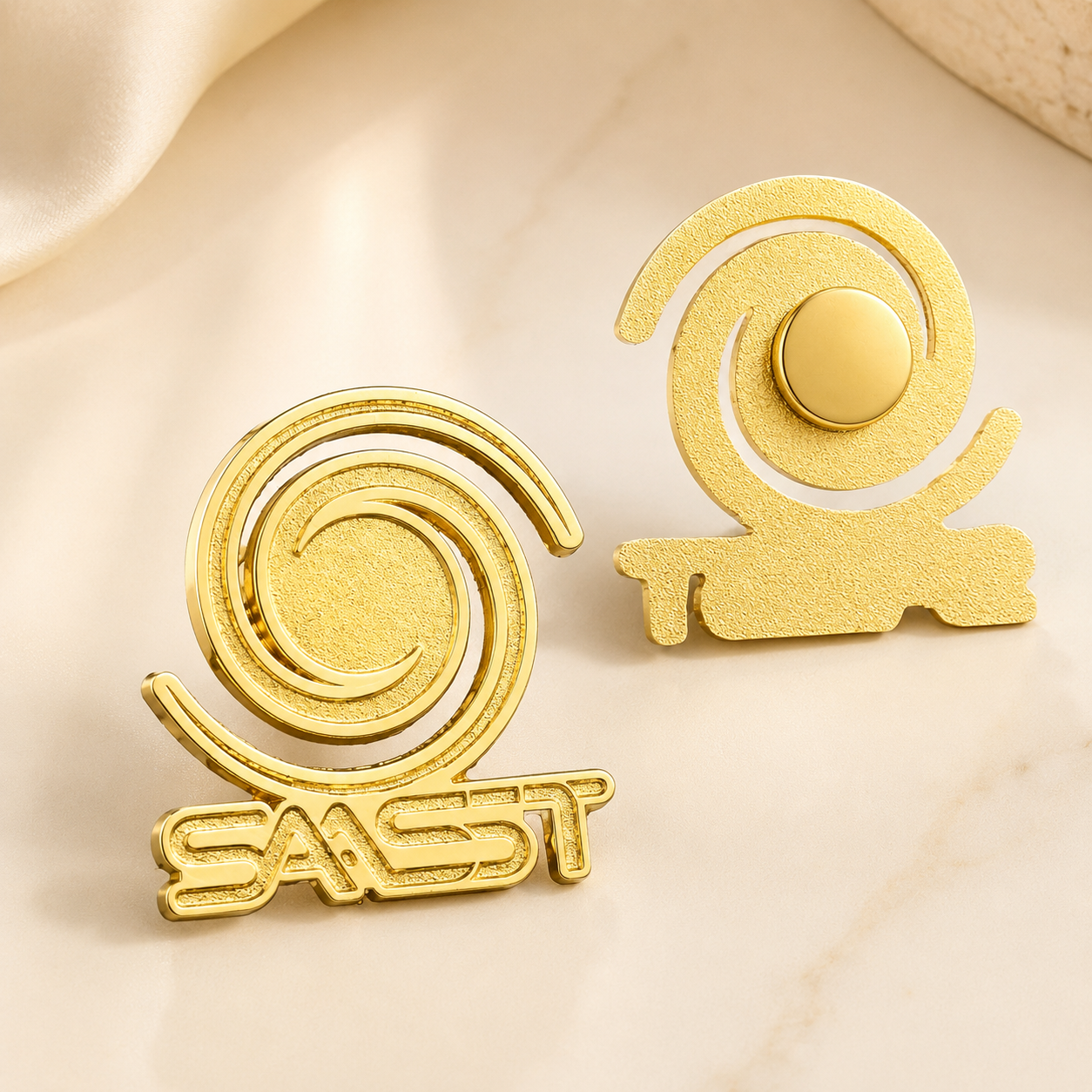
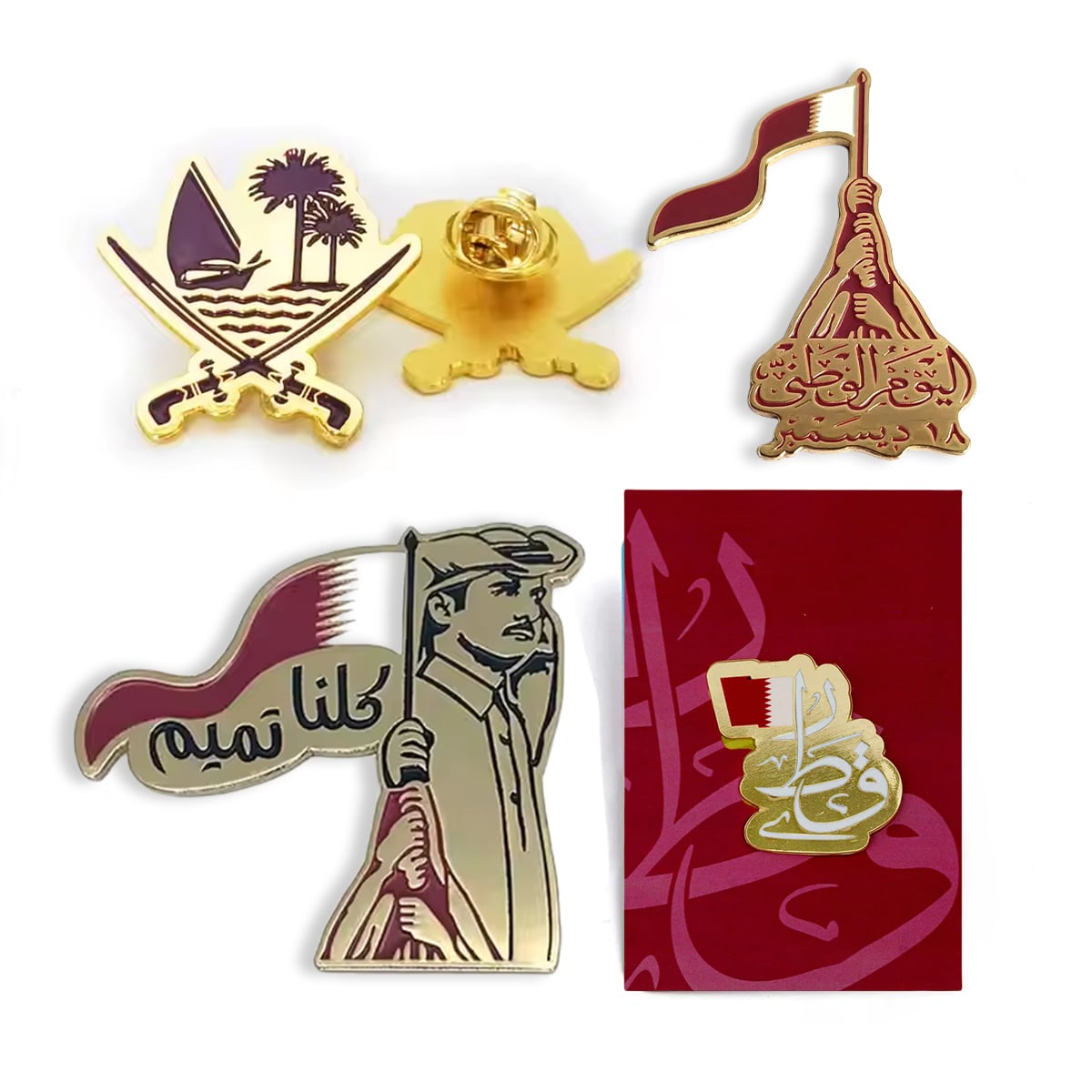
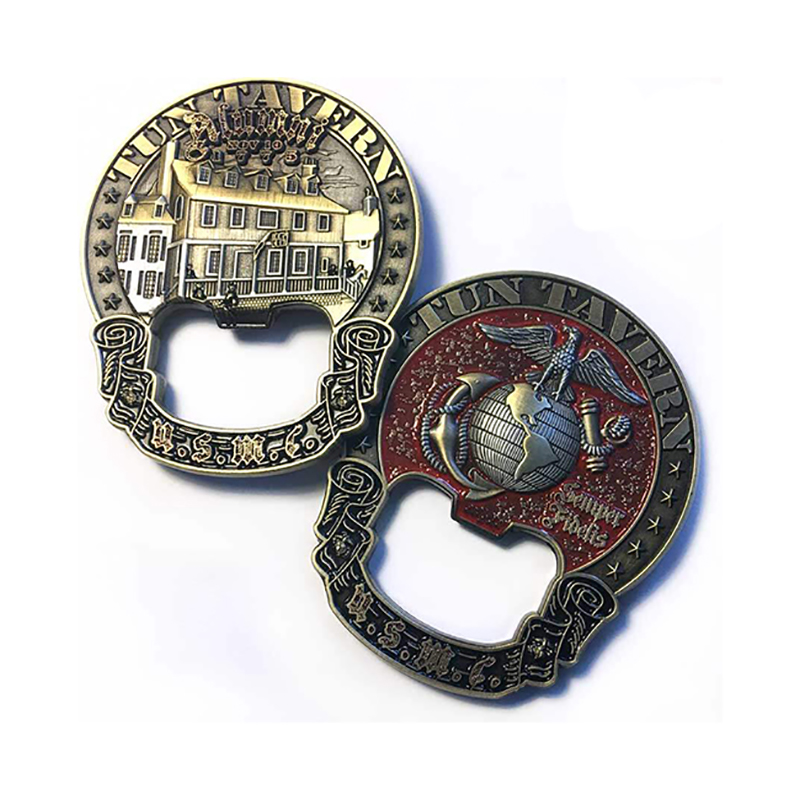
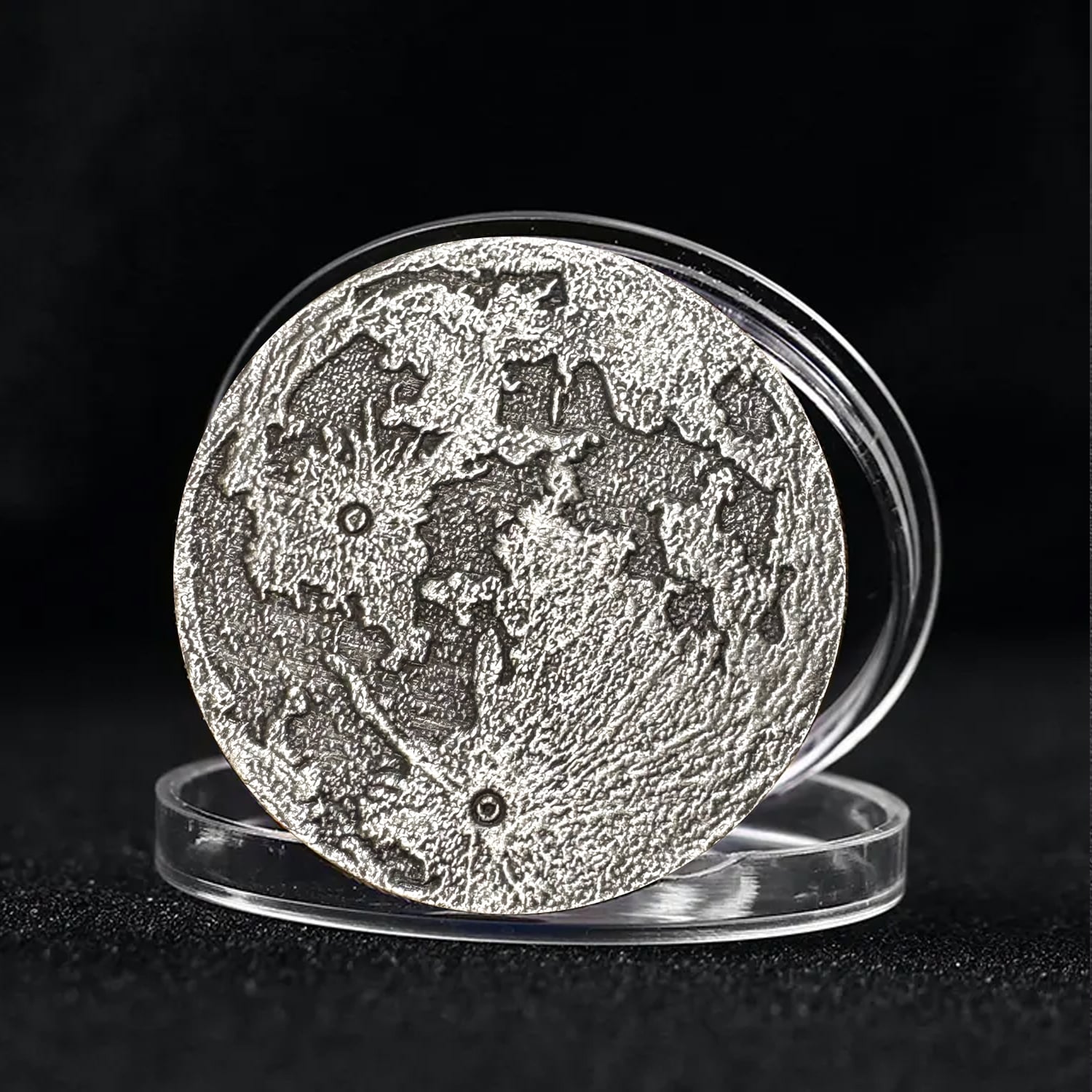
Our custom products include lapel pins, 3M Sticker Pins, Challenge coins, Golf ball marker, Keychains, Medals, Bottle openers, Belt buckles, Cuff-links, Lanyards, etc.
 EN
EN



 Hot News