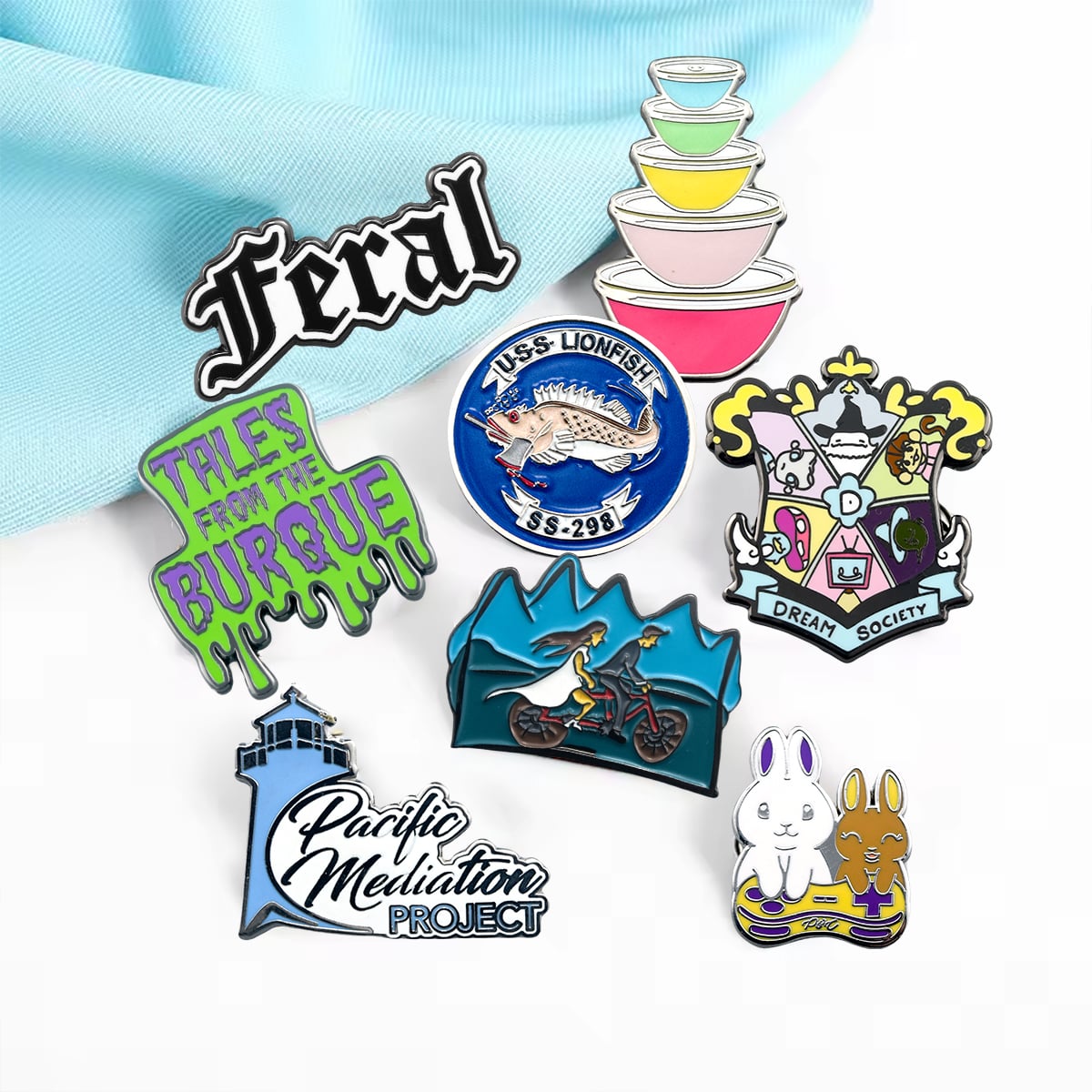
Challenge coins have evolved significantly from their humble military origins to become powerful symbols of achievement, membership, and recognition across numerous industries and organizations. Understanding the fundamental differences between 2D and 3D challenge coins is essential for anyone looking to create meaningful commemorative pieces that truly capture the essence of their organization or event. These distinctive tokens serve as tangible reminders of shared experiences, accomplishments, and bonds forged through dedication and service.
Traditional 2D challenge coins feature relatively flat surfaces with minimal depth variation, creating designs that rely primarily on surface elements such as raised and recessed areas. The manufacturing process involves creating shallow impressions and raised portions that typically extend no more than a few millimeters from the base surface. This approach allows for intricate line work, detailed text, and precise geometric patterns that maintain clarity even at smaller coin sizes.
The visual impact of 2D designs comes from the contrast between raised and recessed elements, enhanced through various finishing techniques including antique treatments, polishing, and specialized plating processes. These coins excel at displaying organizational logos, text-heavy designs, and symbolic representations that benefit from clean, crisp definition. The production methods for 2D coins have been refined over decades, resulting in cost-effective manufacturing processes that can accommodate large production runs while maintaining consistent quality standards.
Manufacturing 2D challenge coins typically involves die-striking processes where metal blanks are pressed between custom-made steel dies under tremendous pressure. This technique creates the raised and recessed areas that define the coin's appearance while ensuring uniform thickness across the entire piece. The relatively simple relief structure of 2D coins allows manufacturers to work with a wide variety of base metals, including brass, copper, zinc alloy, and iron, each offering different characteristics in terms of durability, appearance, and cost.
The production efficiency of 2D coins makes them particularly suitable for organizations with budget constraints or those requiring large quantities for widespread distribution. Quality control processes are straightforward due to the consistent depth requirements, and finishing operations such as plating, enameling, and polishing can be applied uniformly across the entire production run. These factors contribute to shorter lead times and more predictable pricing structures for 2D coin projects.
Three-dimensional challenge coins represent a significant advancement in commemorative coin artistry, featuring substantial relief depths that can extend several millimeters or even centimeters from the base surface. These coins incorporate sculptural elements that create dramatic shadows, realistic textures, and multi-layered visual compositions that change appearance depending on viewing angle and lighting conditions. The enhanced dimensionality allows for the inclusion of architectural elements, portraits with lifelike features, and complex scenes that would be impossible to achieve with traditional 2D techniques.
The three-dimensional approach enables coin designers to create pieces that function almost like miniature sculptures, with flowing curves, undercuts, and overlapping elements that add tremendous visual interest and tactile appeal. Advanced 3D coins can incorporate multiple relief levels within a single design, creating depth hierarchies that guide the viewer's eye through complex narrative compositions. This capability makes 3D coins particularly effective for commemorating significant events, honoring distinguished individuals, or representing organizations with rich visual identities.
Creating authentic 3D challenge coins requires sophisticated manufacturing techniques that go far beyond traditional die-striking methods. The production process often involves multiple striking operations, specialized tooling, and careful material selection to achieve the desired dimensional effects without compromising structural integrity. Computer-aided design software and precision machining equipment are essential for creating the complex dies and molds needed to produce consistent 3D results across entire production runs.
The manufacturing complexity of 3D coins extends to finishing operations, where traditional techniques must be adapted to accommodate varying surface angles and depths. Plating processes require careful attention to ensure uniform coverage across all relief levels, while polishing operations must preserve fine details in recessed areas without diminishing the contrast between different dimensional planes. These requirements typically result in longer production times and higher costs compared to 2D alternatives, but the resulting visual impact often justifies the additional investment.
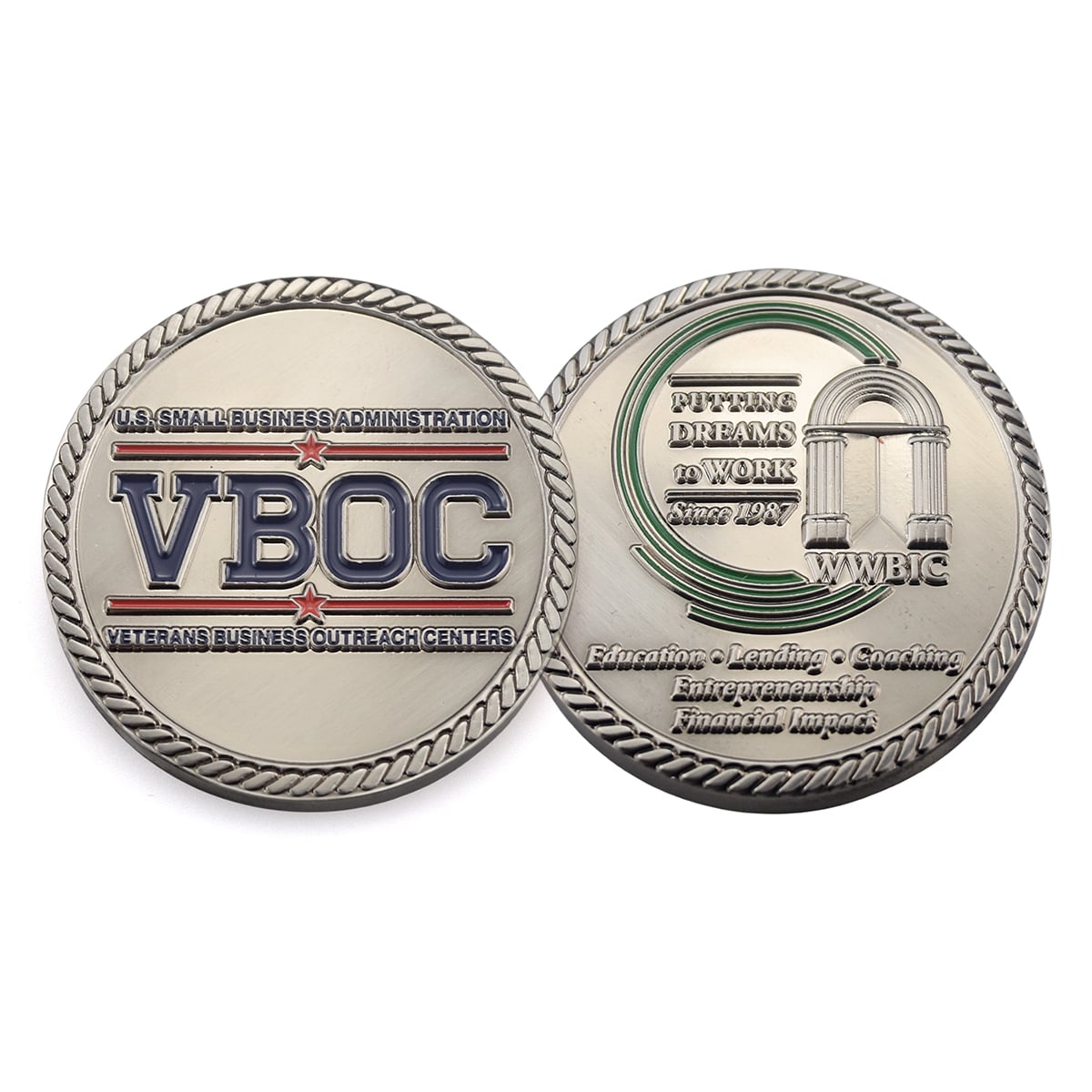
The fundamental difference between 2D and 3D challenge coins lies in their capacity for artistic expression and the type of visual impact they can achieve. Two-dimensional designs excel in situations requiring clear readability, precise geometric patterns, and efficient communication of textual information or organizational branding elements. The flat relief structure ensures that all design elements remain equally visible and legible regardless of lighting conditions or viewing angle, making 2D coins ideal for designs that prioritize clarity and universal recognition.
Conversely, 3D challenge coins offer unparalleled opportunities for dramatic visual storytelling and emotional engagement through their sculptural qualities. The enhanced dimensionality allows for realistic representations of people, places, and objects that create immediate emotional connections with recipients and observers. The play of light and shadow across varying relief levels adds dynamic visual interest that changes throughout the day and under different lighting conditions, ensuring that 3D coins remain visually engaging long after initial presentation.
Different organizational needs and presentation contexts often determine whether 2D or 3D challenge coins are more appropriate for specific applications. Military units, law enforcement agencies, and corporate organizations frequently choose 2D designs when the primary purpose is identification, unit recognition, or brand reinforcement. The cost-effectiveness and production efficiency of 2D coins make them practical choices for regular recognition programs, large-scale distributions, and situations where quantity considerations outweigh individual artistic impact.
Three-dimensional coins typically serve as premium commemoratives for special occasions, retirement gifts, achievement awards, or limited-edition collector pieces where the enhanced visual impact justifies the additional investment. Museums, historical societies, and luxury brands often prefer 3D designs because they convey prestige and attention to detail that aligns with their institutional values. The sculptural quality of 3D coins also makes them effective conversation pieces and display items that continue generating interest long after their initial presentation.
Budget considerations play a crucial role in determining whether organizations choose 2D or 3D challenge coins for their recognition and commemorative programs. Two-dimensional coins benefit from streamlined production processes that have been optimized over decades of manufacturing experience, resulting in lower per-unit costs and more predictable pricing structures. The relatively simple tooling requirements and efficient material utilization make 2D coins accessible to organizations with limited budgets or those requiring large quantities for widespread distribution programs.
The economic impact of choosing 3D coins extends beyond initial production costs to include longer lead times, more complex quality control requirements, and potentially higher minimum order quantities. However, the perceived value and lasting impression created by 3D coins often justify the additional investment, particularly for special occasions or prestigious recognition programs. Organizations must weigh the immediate cost implications against the long-term impact and recipient satisfaction when making their selection between 2D and 3D options.
Project planning considerations differ significantly between 2D and 3D challenge coin production due to the varying complexity of manufacturing processes and quality control requirements. Two-dimensional coins typically follow well-established production timelines that allow for relatively quick turnaround times, making them suitable for projects with tight deadlines or last-minute recognition needs. The standardized nature of 2D production processes also enables manufacturers to provide accurate delivery estimates and accommodate rush orders when necessary.
Three-dimensional coin projects require more extensive planning phases that include detailed design development, prototype creation, and testing procedures to ensure the final product meets expectations. The complex nature of 3D manufacturing means that design changes during production can significantly impact timelines and costs, making thorough upfront planning essential for successful project completion. Organizations should allow additional time for 3D projects and work closely with manufacturers during the design development phase to avoid potential delays or costly modifications.
The durability and longevity characteristics of challenge coins vary significantly between 2D and 3D designs due to their different structural properties and surface configurations. Two-dimensional coins benefit from relatively uniform thickness and consistent surface treatments that provide predictable wear patterns and long-term stability. The shallow relief structure means that raised elements are less susceptible to impact damage, while the uniform surface treatment ensures consistent appearance retention over extended periods of handling and display.
Three-dimensional coins present unique durability considerations due to their varying relief depths and complex surface geometries. While the enhanced dimensionality creates visual appeal, raised elements may be more vulnerable to damage from impacts or excessive handling. However, quality 3D coins manufactured using appropriate techniques and materials can maintain their appearance and structural integrity for decades when properly cared for, making them suitable for heirloom pieces and long-term commemorative applications.
Quality control processes for challenge coins must be adapted to accommodate the specific requirements of 2D and 3D manufacturing techniques. Two-dimensional coins benefit from straightforward inspection procedures that focus on surface finish quality, dimensional accuracy, and plating consistency across relatively uniform surfaces. The standardized nature of 2D production allows for efficient quality control systems that can quickly identify and address potential issues before they affect large quantities of finished products.
Quality control for 3D challenge coins requires more sophisticated inspection techniques that account for varying relief depths, complex surface angles, and multiple finishing requirements within individual pieces. Manufacturers must verify that all dimensional elements meet specifications while ensuring that finishing processes have been applied uniformly across the entire surface area. The complexity of 3D quality control often results in more intensive inspection procedures and potentially higher rejection rates during production, contributing to the overall cost and timeline considerations for these premium products.
Organizations should evaluate their budget constraints, intended use cases, recipient expectations, and timeline requirements when selecting between 2D and 3D challenge coins. Consider whether the primary purpose is identification and recognition or creating lasting commemorative pieces that will be treasured for years. Budget-conscious organizations may prefer 2D options for regular recognition programs, while special occasions and premium awards may justify the investment in 3D designs. Timeline considerations are also important, as 3D coins typically require longer production periods for design development and manufacturing.
Production costs for 3D challenge coins are typically 30-50% higher than comparable 2D versions due to increased manufacturing complexity, specialized tooling requirements, and extended production timelines. The cost differential varies depending on design complexity, quantity ordered, and finishing requirements. While 2D coins benefit from streamlined production processes and economies of scale, 3D coins require more intensive manufacturing techniques and quality control procedures. Organizations should factor in both immediate production costs and long-term value when making budget decisions.
Two-dimensional challenge coins work best for designs emphasizing text, logos, geometric patterns, and symbolic representations that benefit from clear, crisp definition. However, they cannot achieve realistic portraits, architectural details, or complex sculptural elements. Three-dimensional coins excel at creating lifelike representations and dramatic visual effects but may struggle with fine text elements or intricate line work that could be lost in the dimensional variations. Design complexity in 3D coins can also impact production feasibility and costs significantly.
Finishing options for 2D challenge coins include standard plating processes, enamel fills, antique treatments, and various polishing techniques that can be applied uniformly across flat surfaces. Three-dimensional coins require adapted finishing techniques that account for varying surface angles and relief depths, potentially limiting certain treatment options while enabling others like selective polishing that emphasizes dimensional contrasts. Some finishing techniques that work well on 2D surfaces may not translate effectively to complex 3D geometries, requiring careful consideration during the design phase to ensure desired visual results can be achieved.

Our custom products include lapel pins, 3M Sticker Pins, Challenge coins, Golf ball marker, Keychains, Medals, Bottle openers, Belt buckles, Cuff-links, Lanyards, etc.
 EN
EN




 Hot News