Custom challenge coins have evolved from military traditions into powerful symbols of achievement, membership, and recognition across numerous industries and organizations. These meaningful tokens serve as tangible representations of accomplishment, fostering unity and pride among recipients while commemorating significant milestones and events. Whether you're planning a corporate recognition ceremony, commemorating a special anniversary, or organizing a large-scale event, selecting the right custom challenge coins requires careful consideration of multiple factors to ensure maximum impact and value.
The process of procuring challenge coins in bulk quantities demands strategic planning and attention to detail. Organizations must balance quality expectations with budget constraints while ensuring the final product accurately represents their brand identity and commemorative purpose. Understanding the nuances of custom coin manufacturing, from design specifications to production timelines, enables procurement professionals to make informed decisions that deliver exceptional results for their intended recipients and stakeholders.
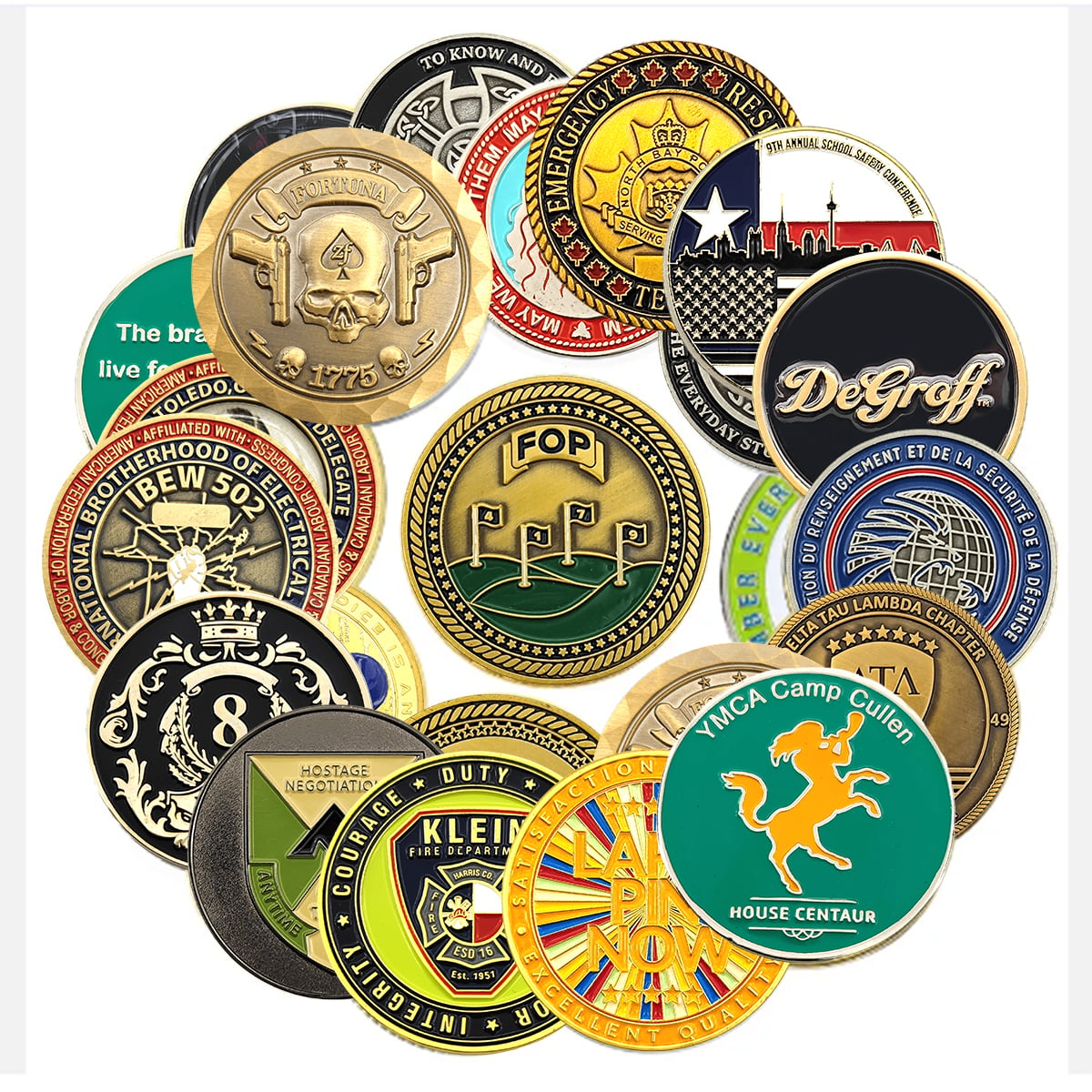
Creating compelling visual designs for challenge coins requires understanding the unique constraints and opportunities presented by circular metallic surfaces. The limited space demands prioritizing essential design elements while maintaining readability and visual impact. Successful coin designs typically feature a primary focal point, whether it's an organizational logo, commemorative symbol, or artistic representation that immediately communicates the coin's purpose and significance.
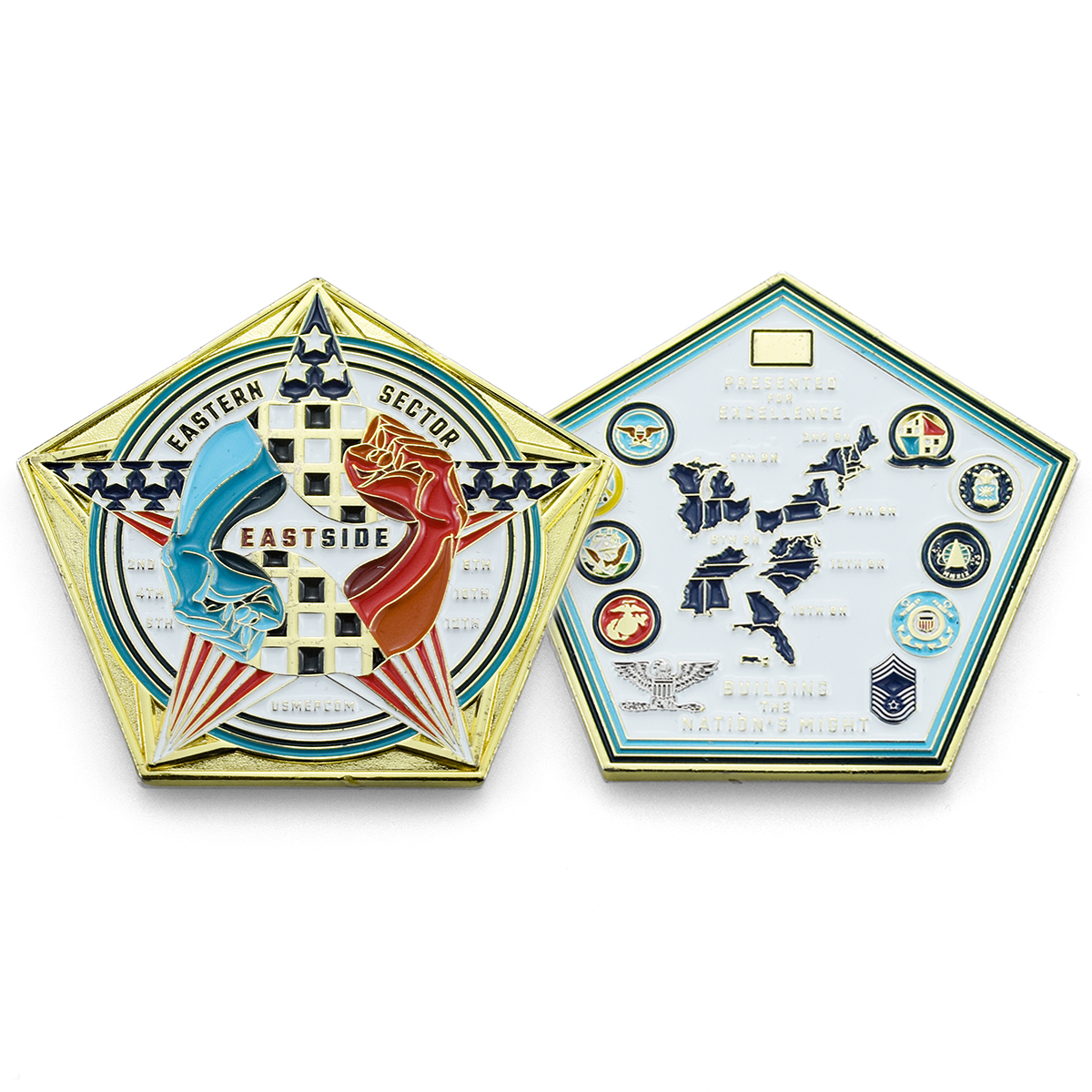
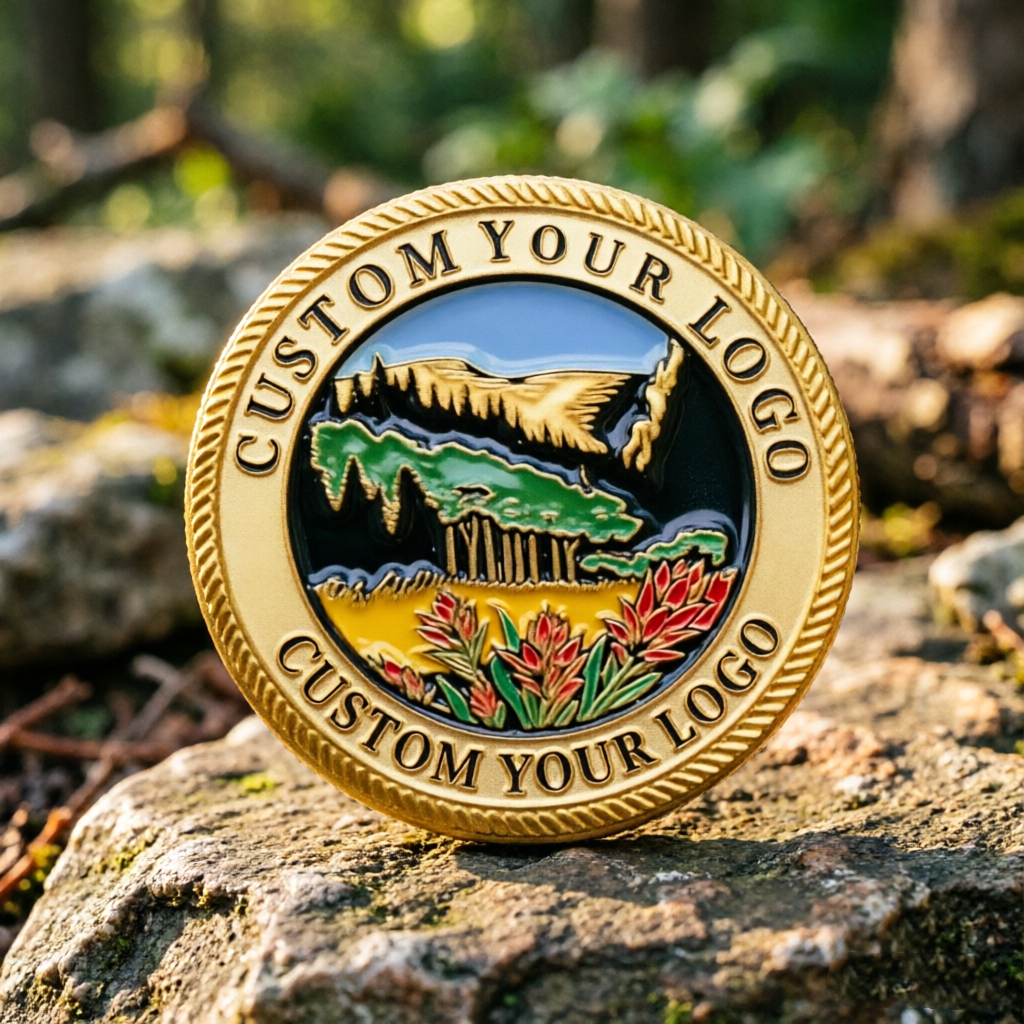
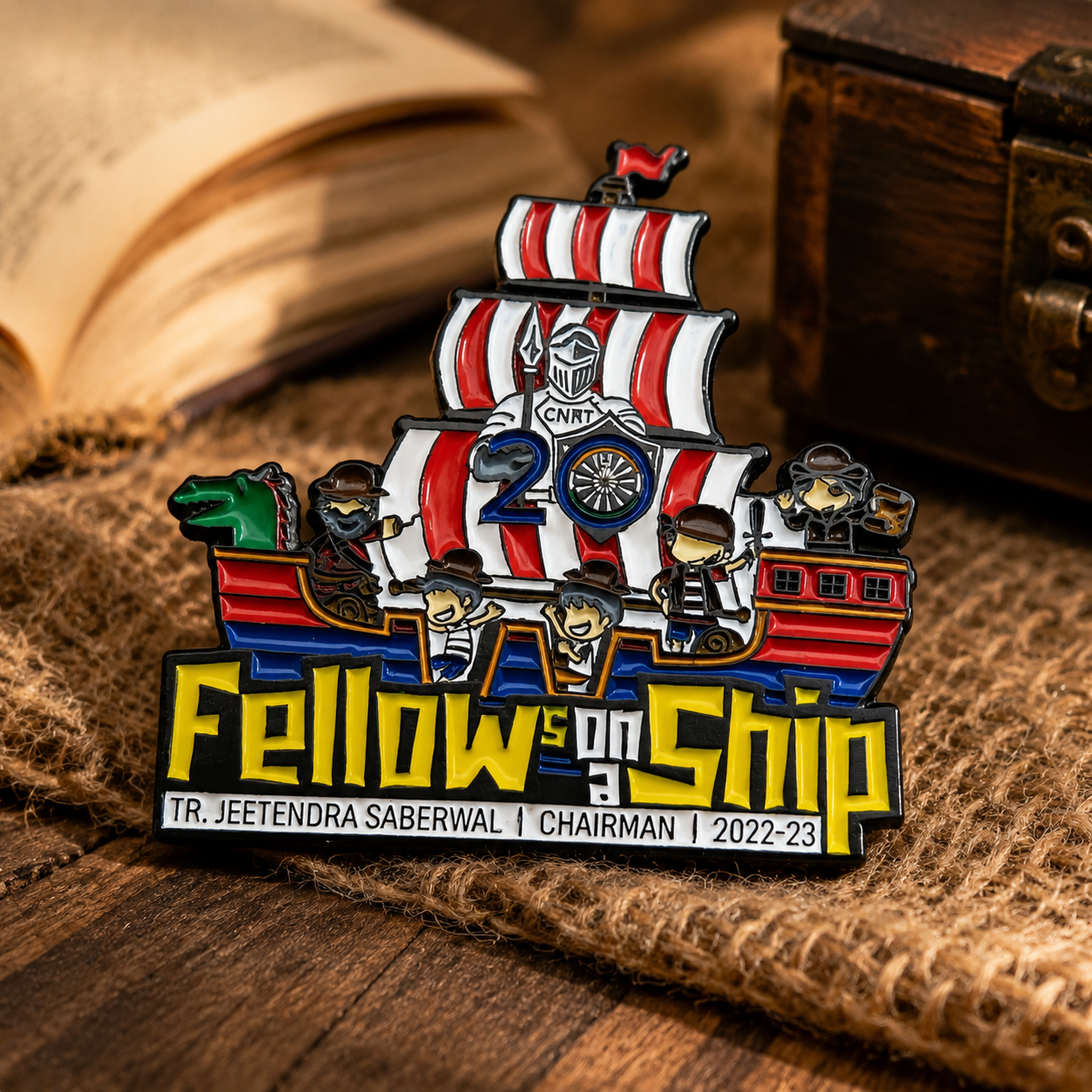
Color selection plays a crucial role in design effectiveness, particularly when considering various plating options and enamel finishes. Traditional metallic finishes like antique bronze, silver, and gold provide timeless appeal, while colored enamel fills enable vibrant branding elements and enhanced visual distinction. The interplay between raised and recessed areas creates depth and texture that enhances the tactile experience of receiving and handling the coin.
Typography considerations become paramount when incorporating text elements into coin designs. Font selection must prioritize legibility at small sizes while complementing the overall aesthetic theme. Avoid overly ornate or thin fonts that may not reproduce clearly during the manufacturing process. Strategic text placement around the coin's perimeter or integrated within design elements ensures important information remains visible without overwhelming the primary visual message.
Standard challenge coin dimensions typically range from 1.25 to 2 inches in diameter, with 1.75 inches representing the most popular choice for versatility and visual impact. Larger coins provide more space for detailed designs but increase manufacturing costs and may present practical challenges for recipients who wish to carry them regularly. Conversely, smaller coins offer cost advantages but limit design complexity and text legibility.
Thickness specifications significantly impact the coin's perceived quality and durability. Standard thickness ranges from 3mm to 4mm, with thicker coins conveying greater premium appeal and enhanced tactile satisfaction. However, increased thickness raises production costs and may affect packaging and distribution logistics for bulk orders. Consider the intended use case and recipient expectations when determining optimal dimensional specifications.
The foundation of any quality challenge coin begins with selecting appropriate base metal materials that balance durability, appearance, and cost-effectiveness. Zinc alloy represents the most common choice for custom challenge coins due to its excellent detail reproduction capabilities, corrosion resistance, and cost efficiency for large quantity orders. This material allows for crisp, fine details while maintaining structural integrity throughout the manufacturing and finishing processes.
Brass alternatives offer enhanced durability and premium feel, making them suitable for commemorative pieces intended for long-term preservation or display. The inherent golden coloration of brass provides an attractive base for various plating options while ensuring longevity under normal handling conditions. However, brass typically increases production costs, making it more suitable for smaller quantities or special recognition purposes.
Iron-based materials provide cost advantages for extremely large bulk orders but may compromise detail reproduction and long-term durability. These materials work best for simple designs with minimal fine details and are typically reserved for promotional or temporary event purposes rather than permanent commemorative applications.
Surface finishing options significantly impact both the aesthetic appeal and durability of custom challenge coins. Antique finishes create depth and character through controlled oxidation processes that highlight raised design elements while creating subtle shadowing in recessed areas. This approach works particularly well for traditional or heritage-themed designs where a aged, distinguished appearance enhances the commemorative message.
Polished finishes deliver bright, reflective surfaces that showcase intricate details and create premium visual appeal. Gold, silver, and copper plating options provide classic elegance suitable for formal recognition ceremonies and executive-level presentations. The reflective quality of polished surfaces requires careful design consideration to ensure readability under various lighting conditions.
Specialized finishing techniques like sandblasting, laser engraving, and dual plating create unique textural contrasts and visual interest. These advanced options typically increase production costs but may justify the investment for high-profile events or limited-edition commemorative releases where distinctive appearance adds significant value.
Successful bulk procurement of custom challenge coins requires comprehensive understanding of manufacturing timelines and potential scheduling constraints. Standard production cycles typically span 2-3 weeks from final artwork approval to completion, though complex designs or specialized finishing requirements may extend this timeframe. Rush orders often incur premium pricing and may compromise quality control processes, making advance planning essential for optimal results.
Seasonal demand fluctuations significantly impact production availability and pricing structures. Military appreciation months, graduation seasons, and year-end recognition periods create peak demand that may extend lead times or increase costs. Planning procurement activities during off-peak periods often yields better pricing and ensures priority scheduling for time-sensitive events.
International manufacturing considerations add complexity to timeline planning, particularly when quality standards require overseas production capabilities. Shipping logistics, customs processing, and potential delays must be incorporated into project schedules, with recommended buffer periods of 1-2 weeks beyond standard production estimates to accommodate unforeseen circumstances.
Implementing robust quality control procedures protects against costly production errors and ensures final products meet organizational standards and expectations. Physical proof approval represents a critical checkpoint where sample coins are produced and reviewed before authorizing full production runs. This process typically adds 3-5 days to overall timelines but provides essential verification of design accuracy, color matching, and manufacturing quality.
Establishing clear approval hierarchies and decision-making protocols prevents delays during the review process. Designate specific individuals with authority to approve design modifications or quality standards, and ensure their availability during critical approval windows. Delayed responses during proof review stages can significantly impact delivery schedules and may necessitate expensive rush production to meet event deadlines.
Understanding manufacturer pricing tiers enables strategic procurement decisions that maximize value while meeting organizational requirements. Custom challenge coins typically feature substantial per-unit cost reductions at specific quantity thresholds, commonly occurring at 100, 250, 500, and 1000 piece levels. Analyzing actual distribution needs against these pricing breaks often reveals opportunities to optimize order quantities for improved cost efficiency.
Long-term planning approaches can leverage volume pricing advantages even when immediate needs don't justify large orders. Organizations with recurring recognition programs or annual events may benefit from ordering larger quantities and managing inventory internally rather than placing multiple smaller orders throughout the year. This strategy requires careful storage planning and design flexibility to accommodate evolving organizational needs.
Multi-design orders present unique pricing considerations where shared production setup costs can reduce per-unit expenses across different coin variations. Coordinating procurement across multiple departments or events may unlock volume pricing tiers that wouldn't be accessible through individual smaller orders, though this approach requires careful project coordination and extended planning horizons.
Design simplification represents one of the most effective approaches to reducing production costs without compromising visual impact or commemorative significance. Minimizing color requirements, reducing fine detail complexity, and optimizing text placement can substantially lower manufacturing expenses while maintaining professional appearance standards. Focus on bold, clear design elements that reproduce reliably across different production techniques and finishing options.
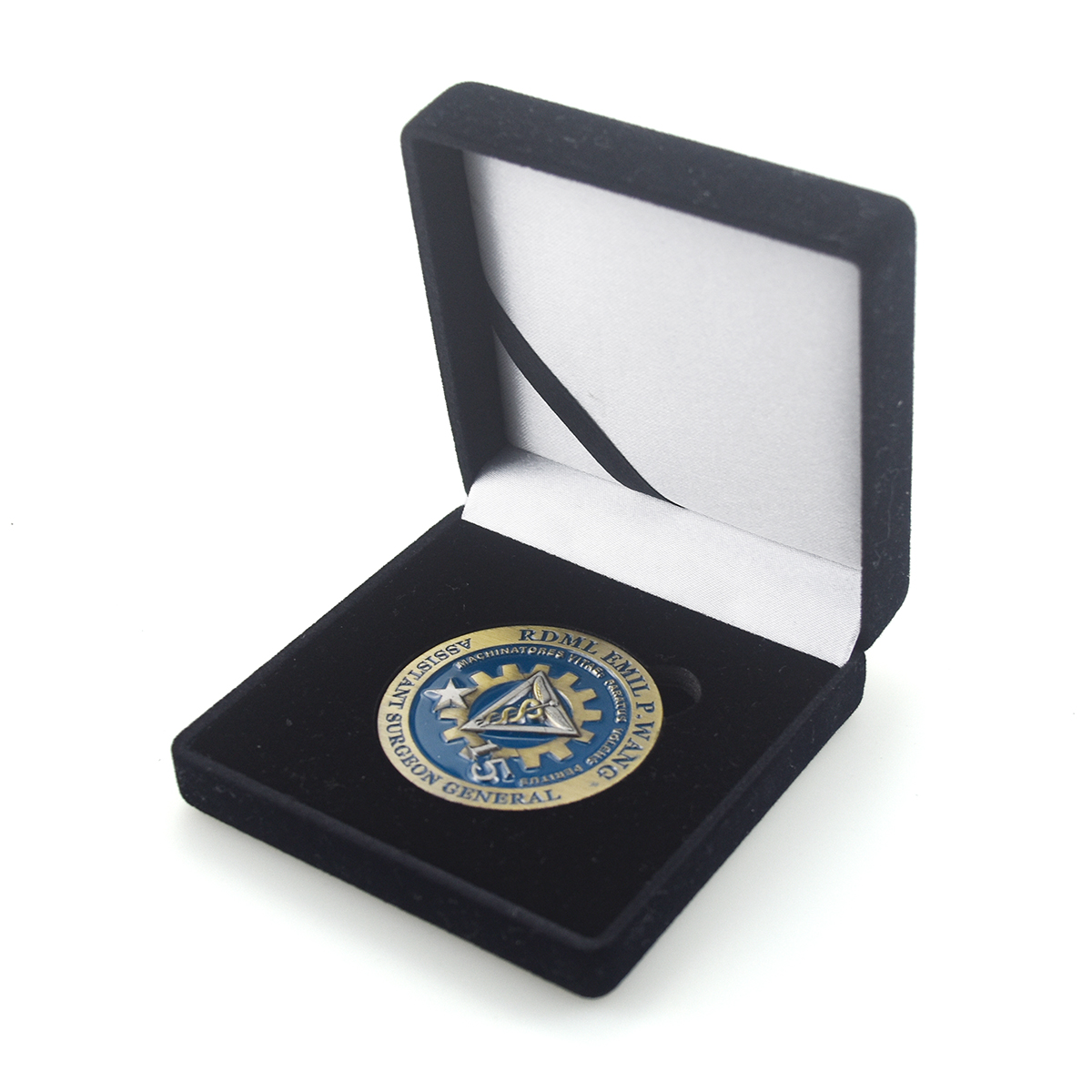
Alternative packaging and presentation solutions offer additional cost optimization opportunities. Standard protective pouches or simple presentation boxes may suffice for many applications, while premium packaging options should be reserved for high-profile presentations or executive-level recognition events. Bulk packaging approaches can significantly reduce per-unit costs for large distributions where individual presentation isn't required.
Corporate environments present unique opportunities for custom challenge coins to enhance employee recognition programs and strengthen organizational culture. Service anniversary coins commemorate employee loyalty and dedication while creating tangible symbols of achievement that recipients can proudly display or carry. Design elements should incorporate company branding while celebrating individual accomplishments and reinforcing organizational values.
Project completion coins recognize team achievements and milestone accomplishments, fostering collaboration and shared pride in collective success. These commemorative pieces work particularly well for complex initiatives, major product launches, or significant organizational transformations where team members invested substantial effort toward common goals. Include project-specific imagery, dates, and team identifiers to create lasting mementos of shared achievement.
Leadership development programs benefit from progressive coin series that mark advancement through various training levels or certification achievements. This approach creates anticipation and motivation while providing visual representations of professional growth and competency development. Consider design variations that maintain consistent branding while distinguishing different achievement levels through color, symbolism, or textual elements.
Fundraising events and charity initiatives utilize custom challenge coins as both recognition tokens and promotional tools that extend event impact beyond immediate participants. Donor appreciation coins acknowledge financial contributions while creating lasting connections between supporters and organizational missions. Design elements should reflect the cause or organization's purpose while providing attractive keepsakes that encourage continued engagement and support.
Conference and convention applications leverage custom challenge coins for attendee engagement, networking facilitation, and brand promotion. These coins serve multiple purposes as registration incentives, networking tools, and post-event marketing materials that maintain conference visibility long after events conclude. Consider incorporating event themes, locations, or industry-specific imagery that resonates with target audiences and reinforces event messaging.
Selecting qualified manufacturing partners requires systematic evaluation of production capabilities, quality standards, and customer service excellence. Portfolio review provides insight into design capabilities and manufacturing quality through examination of previous work examples and client testimonials. Look for manufacturers with experience in your specific industry or application type, as this background often translates into valuable design insights and production efficiency.
Production capacity and scalability assessments ensure chosen partners can accommodate current needs while supporting future growth requirements. Manufacturers with dedicated custom challenge coin production lines typically offer better scheduling flexibility and quality consistency compared to general metalworking facilities that handle coins as secondary products. Inquire about peak capacity limitations and backup production capabilities to avoid potential delivery disruptions.
Customer service responsiveness and communication quality significantly impact project success, particularly for time-sensitive events or complex design requirements. Evaluate initial response times, design consultation availability, and willingness to provide detailed project guidance throughout the procurement process. Strong manufacturing partnerships extend beyond transactional relationships to include ongoing support and collaborative problem-solving capabilities.
Establishing ongoing relationships with qualified manufacturers creates opportunities for improved pricing, priority scheduling, and enhanced design support over time. Repeat customers often receive preferential treatment during peak demand periods and may access volume pricing advantages even for smaller individual orders when annual purchase volumes justify special consideration. These relationships also facilitate design consistency across multiple projects and events.
Streamlined ordering processes develop naturally through repeated collaborations, reducing administrative overhead and minimizing potential communication errors. Established manufacturers understand organizational preferences, quality standards, and delivery requirements, enabling more efficient project execution and reduced oversight requirements for routine orders.
Quantity represents the primary pricing factor, with substantial per-unit cost reductions at specific volume thresholds. Design complexity, particularly the number of colors and fine details, significantly affects manufacturing costs. Material selection, finishing options, and production timeline requirements also influence final pricing, with rush orders and premium materials commanding higher rates.
Standard lead times range from 2-3 weeks for production, though complex designs may require additional time. For important events, plan procurement activities 6-8 weeks in advance to accommodate design development, approval processes, and potential revisions. Peak season periods may extend these timelines, making early planning essential for guaranteed delivery.
Successful designs balance organizational branding with commemorative elements specific to the achievement being recognized. Include clear, readable text with achievement details, dates, and recipient information when appropriate. Bold, simple imagery reproduces better than intricate details, while strategic color use enhances visual impact without unnecessarily increasing costs.
Many manufacturers now offer eco-friendly options including recycled metal bases and environmentally responsible plating processes. While these options may carry premium pricing, they align with sustainability initiatives and corporate social responsibility goals. Discuss environmental considerations with potential manufacturers to identify available sustainable alternatives that meet quality and budget requirements.

Our custom products include lapel pins, 3M Sticker Pins, Challenge coins, Golf ball marker, Keychains, Medals, Bottle openers, Belt buckles, Cuff-links, Lanyards, etc.
 EN
EN


 Hot News