Creating a personalized golf ball marker represents more than just customizing a simple golf accessory—it's about crafting a unique piece that reflects your personality, commemorates special occasions, or serves as a distinctive corporate gift. Golf enthusiasts worldwide appreciate the significance of having custom markers that stand out on the green while maintaining functionality and elegance. The process of designing these specialized accessories involves careful consideration of materials, design elements, manufacturing techniques, and personal preferences to achieve the perfect balance between aesthetics and practicality.
The growing popularity of custom golf accessories has transformed how players approach their equipment selection, with many golfers now seeking unique pieces that tell their personal story. Whether you're looking to create a memorable gift for a golf enthusiast, commemorate a tournament victory, or establish brand recognition for your business, understanding the design process ensures your final product meets both aesthetic and functional requirements. Professional manufacturers offer various customization options, from simple text engravings to complex multi-colored designs that showcase intricate artwork and logos.
The foundation of any exceptional personalized golf ball marker begins with selecting the appropriate base material that will determine both durability and appearance. Brass remains the most popular choice among manufacturers due to its excellent balance of workability, corrosion resistance, and cost-effectiveness, making it ideal for detailed engravings and long-lasting performance. Zinc alloy offers similar benefits while providing enhanced detail reproduction for complex designs, particularly when intricate logos or fine text elements are required.
Stainless steel provides superior durability and maintains its appearance over extended periods, though it requires specialized manufacturing techniques for detailed customization work. Copper presents unique aesthetic possibilities with its distinctive color and natural aging characteristics, creating markers that develop character over time. Premium options include precious metals like silver or gold-plated variants, which offer luxury appeal for special occasions or high-end corporate gifts.
Surface treatments play a crucial role in both the appearance and longevity of your custom marker design. Antique finishes provide a classic, timeless look that complements traditional golf aesthetics while hiding minor wear patterns that may develop during regular use. Polished surfaces create brilliant shine and modern appeal, though they require more maintenance to preserve their lustrous appearance over time.
Brushed finishes offer practical benefits by concealing fingerprints and minor scratches while maintaining professional appearance throughout extended use. Plating options, including nickel, chrome, or precious metal applications, provide additional protection against tarnishing while enhancing visual appeal. The choice of surface treatment should align with your intended use pattern, maintenance preferences, and desired aesthetic outcome.
Selecting appropriate fonts and text layouts significantly impacts the overall effectiveness of your personalized golf ball marker design. Classic serif fonts convey tradition and elegance, making them ideal for formal occasions, commemorative pieces, or corporate applications where professional appearance is paramount. Sans-serif options provide modern, clean aesthetics that work well with contemporary designs and ensure excellent readability even at small sizes.
Text placement requires careful consideration of the marker's size constraints and functional requirements, ensuring that essential information remains visible while maintaining design balance. Script fonts can add personal touches for individual names or special messages, though they should be used judiciously to maintain legibility. Consider the relationship between text size, spacing, and other design elements to create harmonious compositions that effectively communicate your intended message.
Incorporating logos, emblems, or graphic elements requires understanding the limitations and possibilities of various manufacturing processes. Vector-based designs translate most effectively to metal manufacturing processes, ensuring crisp edges and consistent reproduction across multiple pieces. Photographic images can be adapted through specialized techniques, though they may require simplification to achieve optimal results in metal fabrication.
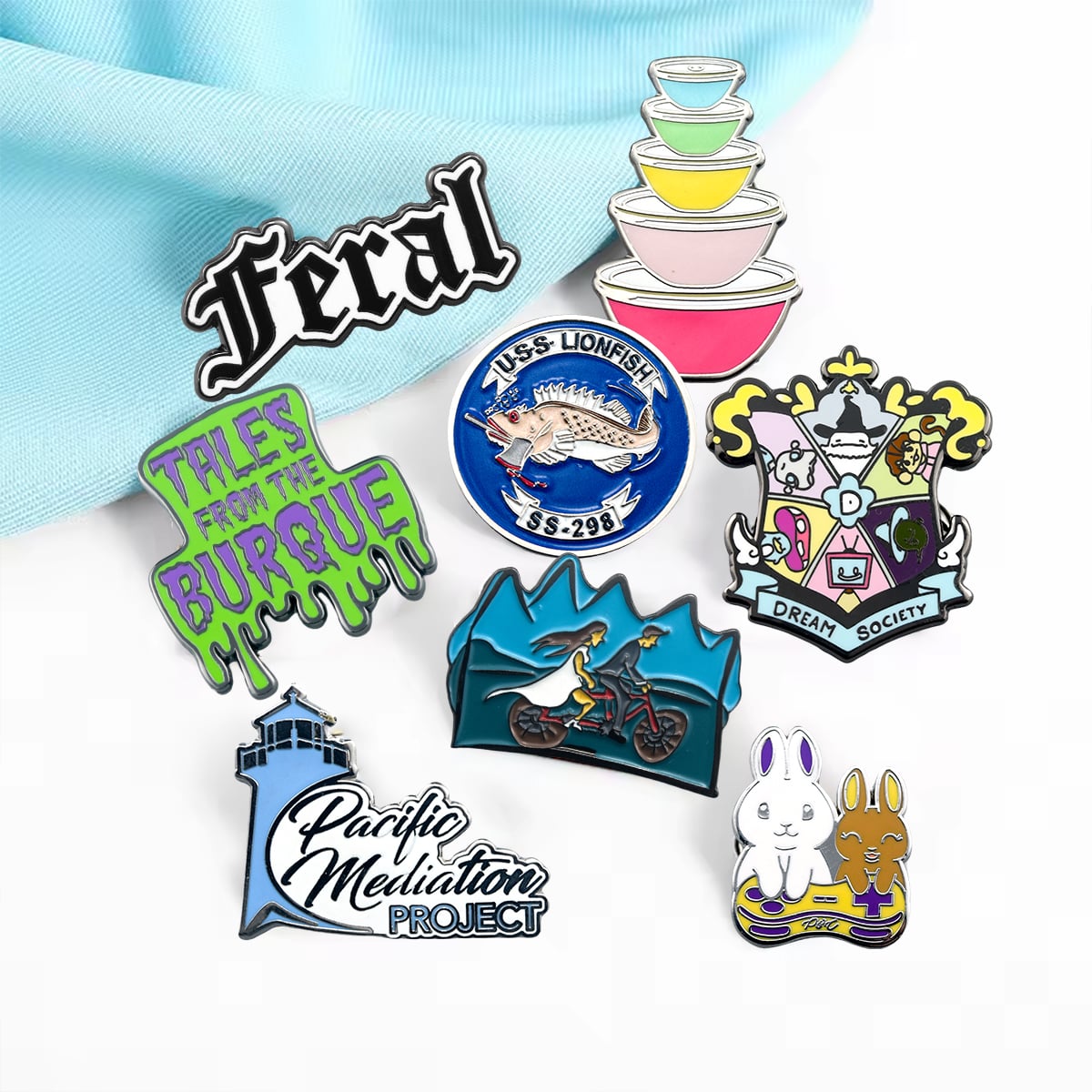
Color integration presents exciting possibilities through enamel filling, multi-metal applications, or advanced plating techniques that create striking visual contrasts. Consider how graphic elements will interact with text components and ensure adequate spacing to prevent overcrowding. Complex designs may benefit from professional design consultation to optimize elements for manufacturing while maintaining visual impact.
Traditional engraving techniques continue to provide superior results for many personalized golf ball marker applications, offering precise control over depth, spacing, and character formation. Rotary engraving machines excel at producing consistent text and simple geometric patterns with exceptional accuracy and repeatability. Diamond-tip engraving provides the finest detail possible for intricate designs, though it requires skilled operation to achieve optimal results.
Hand engraving remains the premium option for truly unique pieces, allowing experienced craftsmen to create one-of-a-kind designs that cannot be replicated through automated processes. This traditional approach enables custom flourishes, artistic elements, and personalized touches that add significant value to commemorative pieces. The investment in hand engraving reflects in the final product's uniqueness and craftsmanship quality.
Laser engraving technology has revolutionized custom marker production by enabling extremely precise detail reproduction and consistent quality across large production runs. Fiber lasers excel at creating sharp, clean engravings in metal surfaces while allowing for variable depth control that creates interesting visual effects. CO2 lasers offer different capabilities for specific applications, particularly when working with coated or treated surfaces.
CNC machining provides three-dimensional shaping capabilities that enable raised or recessed design elements beyond simple surface engraving. This technology allows for complex geometries, custom shapes, and integrated functional features that enhance both appearance and usability. Digital manufacturing processes also enable rapid prototyping, allowing designers to test and refine concepts before committing to final production.
Optimizing your design for the physical constraints of golf ball markers requires understanding standard dimensions and their impact on design feasibility. Most markers range from 20mm to 25mm in diameter, providing limited space that must accommodate all design elements while maintaining legibility and visual appeal. Text sizing becomes critical at these scales, requiring careful selection of font weights and spacing to ensure readability.
Consider the relationship between different design elements and their relative importance in your overall composition. Primary information such as names or logos should dominate the design, while secondary elements like dates or decorative borders should complement without overwhelming. Visual hierarchy principles apply even at small scales, guiding viewers' attention to the most important information first.
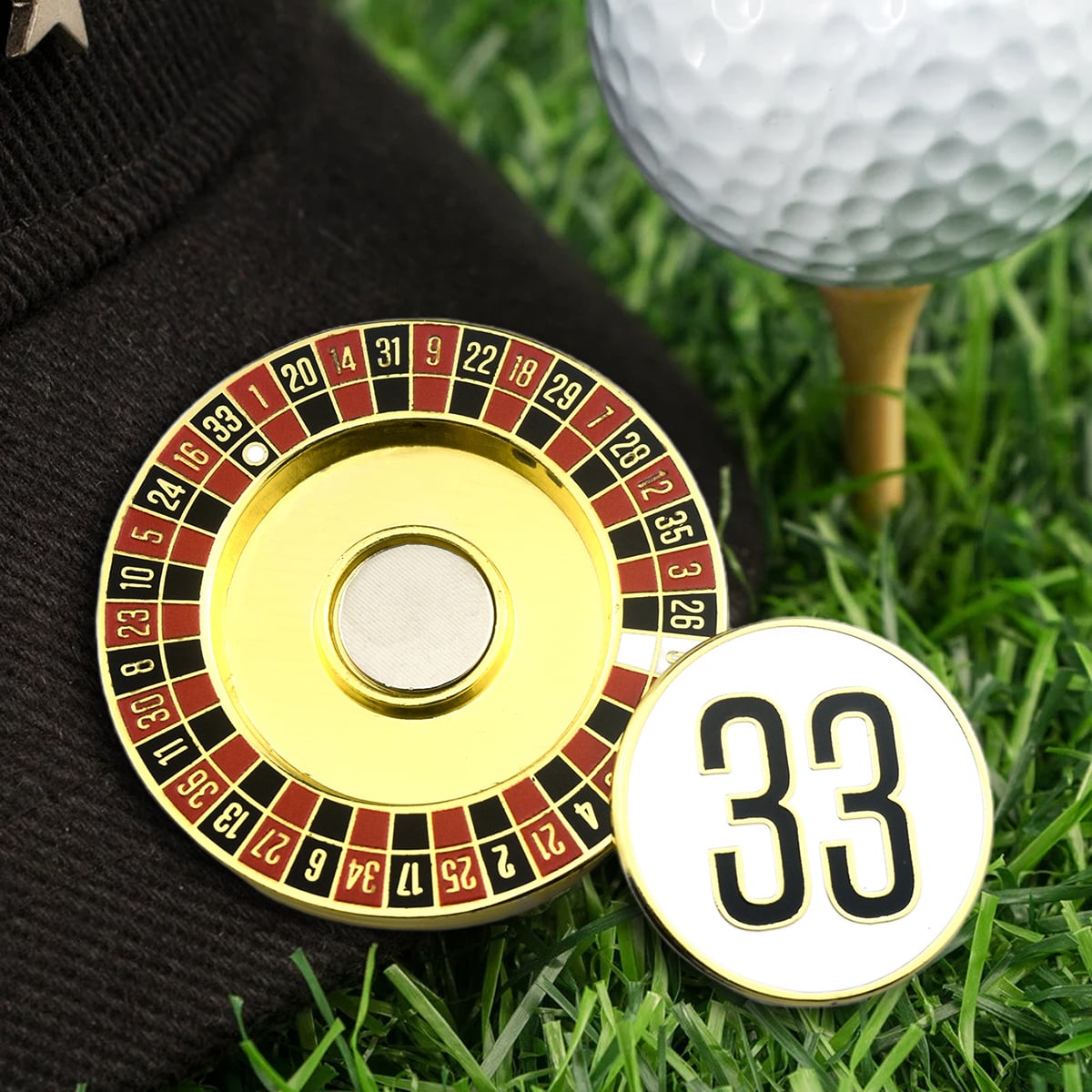
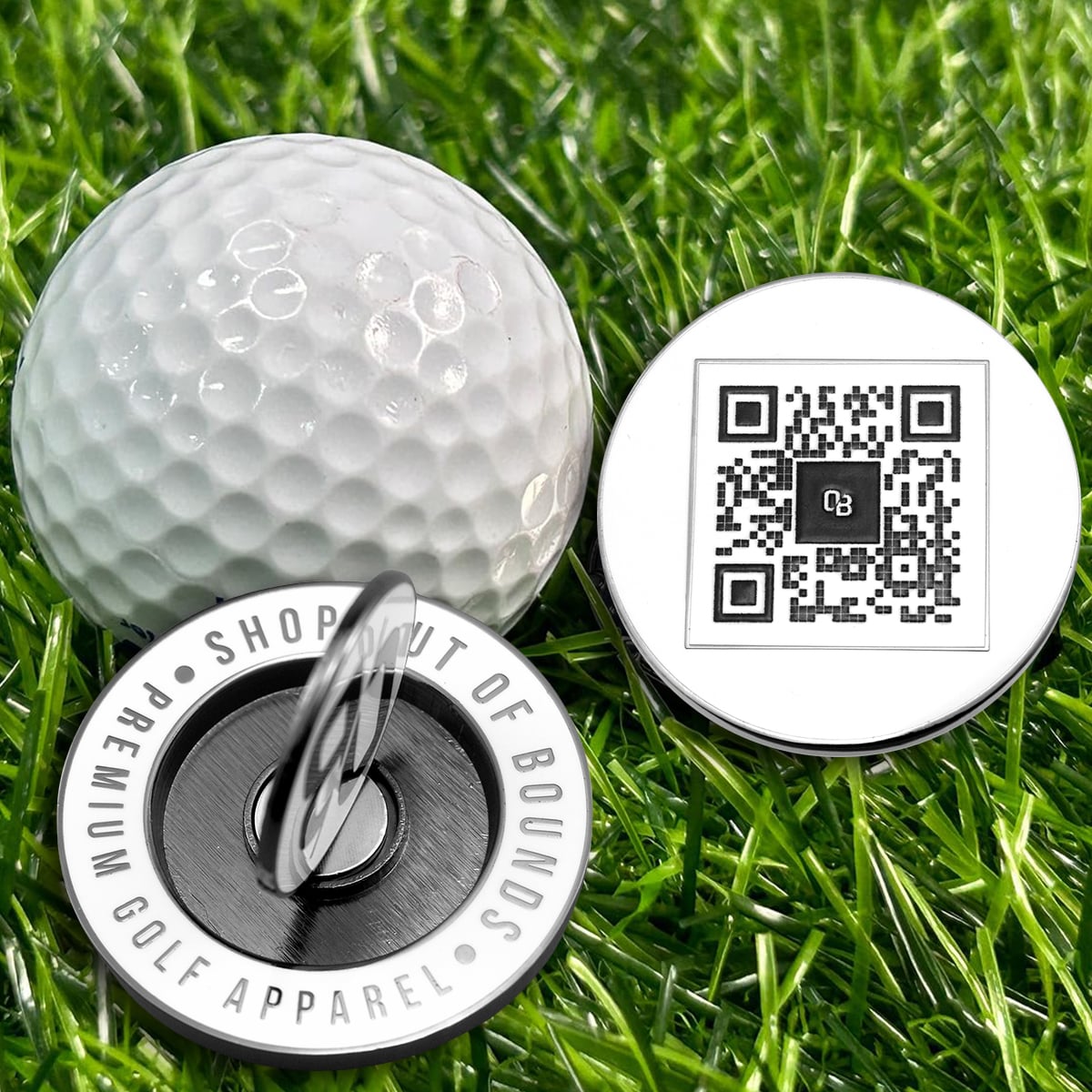
Incorporating functional elements into your design enhances the marker's practical value while maintaining aesthetic appeal. Magnetic backing systems provide convenient attachment to golf gloves or clothing while ensuring the marker remains easily accessible during play. Removable ball markers that nest within larger coin-style holders offer versatility and protection for detailed designs.
Edge treatments such as knurling or decorative borders provide improved grip while adding visual interest to the overall design. Consider how these functional elements integrate with your chosen aesthetic and ensure they complement rather than detract from your primary design objectives. Balance between form and function creates markers that golfers will actually use and appreciate.
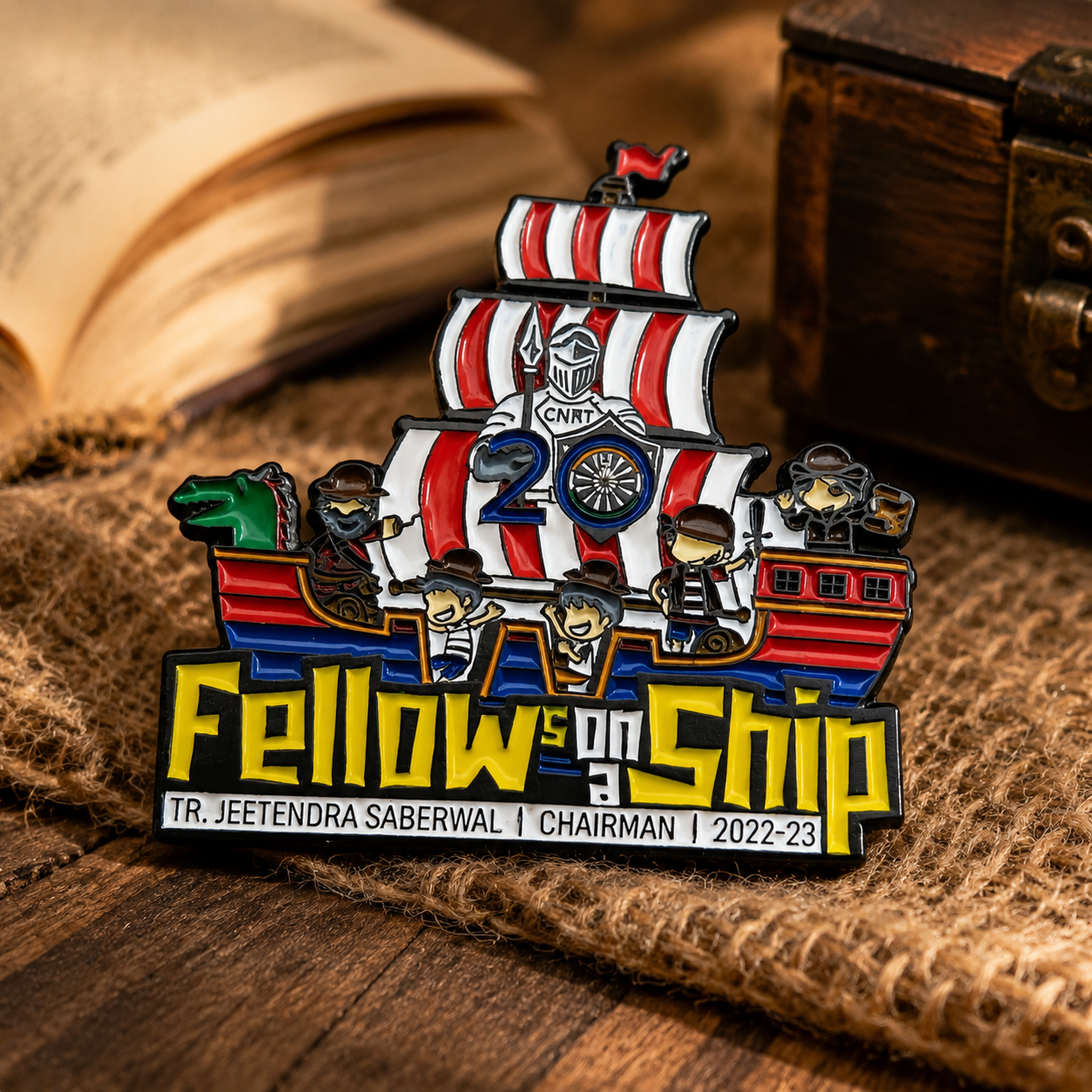
Enamel filling techniques enable vibrant color integration that transforms simple engraved designs into striking visual presentations. Soft enamel applications provide cost-effective color addition with slight texture variations that create interesting tactile and visual effects. Hard enamel processes produce smooth, durable surfaces with brilliant color saturation that maintains appearance through extended use.
Color selection should consider both aesthetic preferences and practical longevity concerns, as certain pigments perform better under outdoor conditions and UV exposure. Multiple color applications require careful planning to ensure proper separation between different enamel areas and prevent bleeding or mixing during the application process. Professional color matching ensures consistency across production runs and accurate reproduction of corporate or team colors.
Specialized finishing techniques can create unique visual effects that set your markers apart from standard offerings. Sandblasting creates textured backgrounds that provide interesting contrast to polished or plated design elements. Photo-etching enables extremely fine detail reproduction for complex logos or intricate patterns that exceed traditional engraving capabilities.
Dual-tone plating creates sophisticated color combinations through selective plating application, allowing for gold and silver accents within single pieces. UV printing technology enables full-color photographic reproduction directly onto metal surfaces, though durability considerations may limit appropriate applications. These advanced techniques often justify premium pricing for special occasions or luxury gift applications.
Implementing thorough design verification prevents costly mistakes and ensures final products meet expectations and specifications. Digital proofs provide accurate previews of how designs will appear at actual size, allowing for adjustments before manufacturing begins. Physical prototypes offer the most reliable assessment of design effectiveness, enabling evaluation of text legibility, proportion relationships, and overall visual impact.
Consider creating test pieces using identical materials and processes planned for final production to identify potential issues with design complexity or manufacturing feasibility. Feedback from target users during the prototype phase can reveal practical concerns or improvement opportunities that may not be apparent during initial design development. Documentation of approved designs ensures consistency across production runs and provides reference for future orders.
Establishing clear quality standards ensures consistent results across all produced pieces and maintains professional reputation. Dimensional tolerances should account for manufacturing process limitations while maintaining design integrity and functional requirements. Surface finish standards specify acceptable appearance criteria and help identify pieces requiring additional processing or rejection.
Engraving depth specifications ensure consistent appearance and adequate durability for intended use patterns. Color matching tolerances for enamel or plating applications prevent unacceptable variations that could affect brand consistency or customer satisfaction. Regular quality audits during production runs catch issues early and prevent larger batches of substandard products.
Stainless steel and brass offer the best combination of durability and corrosion resistance for golf markers exposed to outdoor conditions. These materials maintain their appearance and structural integrity through temperature variations, moisture exposure, and regular handling. Proper surface treatments like nickel plating or protective coatings can further enhance longevity for markers used in challenging environments.
Text should generally not be smaller than 1.5mm in height to ensure adequate readability on golf markers, though this depends on font selection and engraving depth. Sans-serif fonts typically remain legible at smaller sizes than serif options, while bold weights improve visibility compared to light or thin fonts. Consider viewing distance and lighting conditions when determining minimum text sizes for your specific application.
Vector formats like AI, EPS, or high-resolution PDF files provide the best results for golf marker manufacturing, as they maintain crisp edges and precise dimensions regardless of scaling requirements. Raster formats like high-resolution PNG or TIFF files can work for photographic elements, though they may require conversion or simplification for certain manufacturing processes. Always provide files at actual size or larger to ensure optimal reproduction quality.
Design development typically requires 3-5 business days for initial concepts and revisions, while production time varies from 7-14 days depending on quantity, complexity, and finishing requirements. Rush orders may be available for additional fees, though quality should never be compromised for speed. Large quantities or complex designs requiring specialized techniques may extend production timelines, so early planning ensures timely delivery for special events or deadlines.

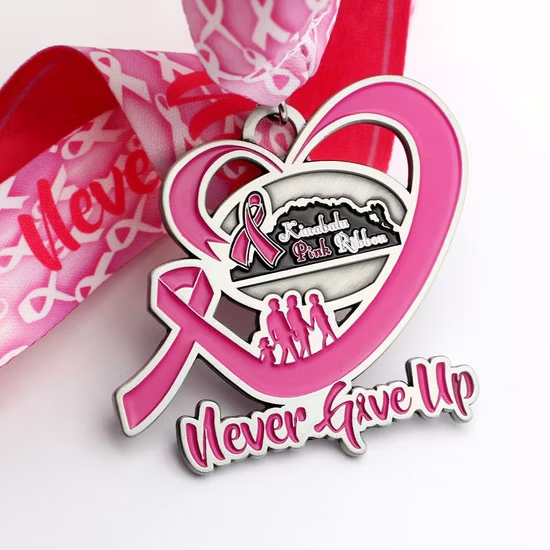
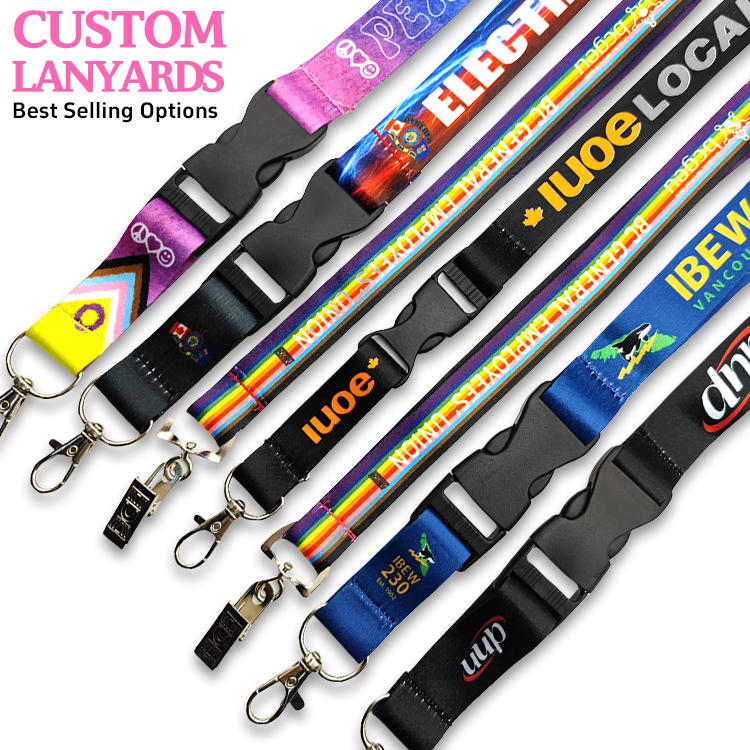
Our custom products include lapel pins, 3M Sticker Pins, Challenge coins, Golf ball marker, Keychains, Medals, Bottle openers, Belt buckles, Cuff-links, Lanyards, etc.
 EN
EN


 Hot News