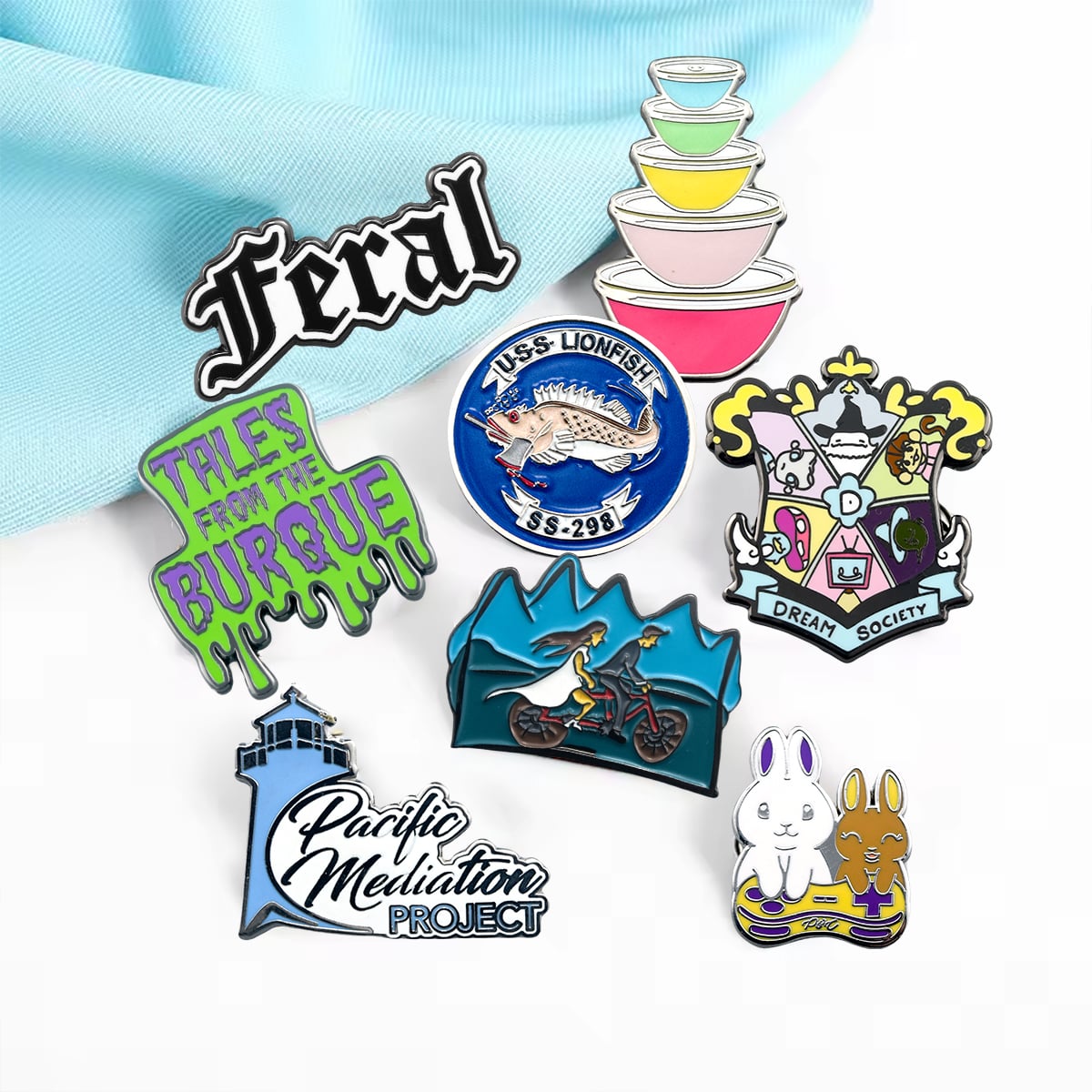
In today's environmentally conscious marketplace, businesses and individuals are increasingly seeking sustainable alternatives to traditional promotional products. The demand for eco-friendly custom keychains has surged as consumers become more aware of their environmental impact. These sustainable promotional items offer the perfect balance between functionality, brand visibility, and environmental responsibility. Organizations across various industries are discovering that choosing green alternatives for their custom keychains not only demonstrates their commitment to sustainability but also resonates strongly with environmentally conscious consumers.
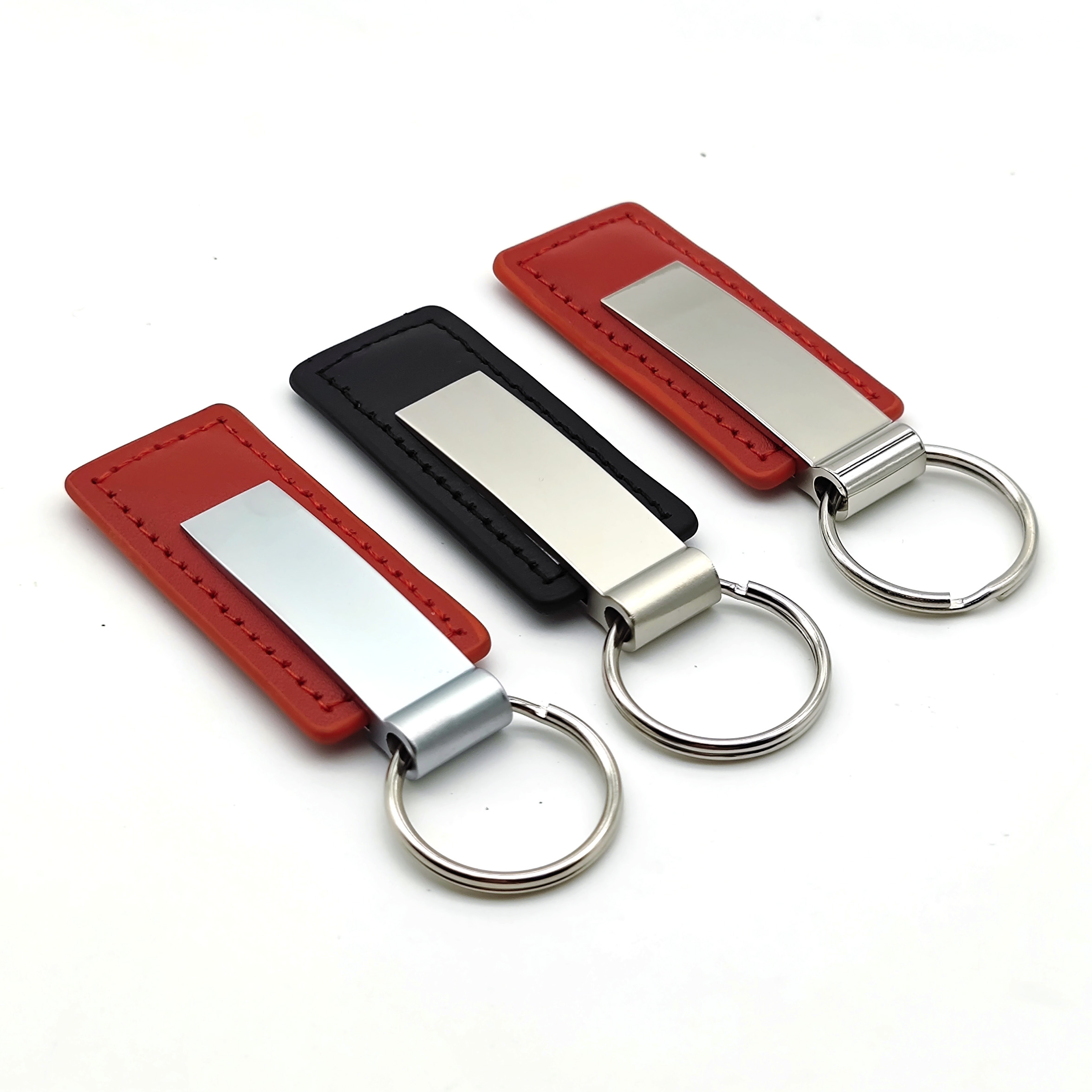
The shift toward sustainable promotional products reflects broader consumer trends favoring businesses that prioritize environmental stewardship. Modern consumers actively research company practices and prefer to associate with brands that align with their values. When organizations choose eco-friendly options for their promotional campaigns, they communicate their commitment to environmental protection while creating lasting impressions with their target audience. This approach transforms simple promotional items into powerful statements about corporate values and social responsibility.
Recycled materials represent one of the most popular choices for environmentally conscious keychain production. Manufacturers now utilize recycled plastics, metals, and other materials to create durable and attractive promotional items. These recycled components undergo sophisticated processing techniques that ensure quality and longevity while significantly reducing environmental impact. The use of post-consumer recycled content helps divert waste from landfills while creating new products with extended lifecycles.
Upcycled materials offer another innovative approach to sustainable keychain manufacturing. This process transforms waste materials into higher-value products without the energy-intensive recycling procedures. Common upcycled materials include repurposed fabric scraps, reclaimed wood pieces, and salvaged metal components. The creative potential of upcycling allows for unique designs that tell compelling stories about resource conservation and creative problem-solving.
Biodegradable materials provide excellent alternatives for organizations seeking complete end-of-life solutions for their promotional products. Plant-based plastics derived from corn starch, sugarcane, and other renewable resources offer durability during use while breaking down naturally when disposed of properly. These materials maintain the functionality and appearance of traditional plastics while eliminating long-term environmental concerns.
Compostable keychain options take sustainability one step further by creating products that actively contribute to soil health when properly composted. Materials such as hemp-based composites, bamboo fibers, and other organic compounds can be processed into attractive keychains that decompose completely within commercial composting facilities. These options appeal particularly to organizations with comprehensive waste management programs and environmental education initiatives.
Bamboo has emerged as a leading material for sustainable keychain production due to its rapid growth rate and natural durability. This remarkable plant can grow up to three feet per day and reaches maturity within three to five years, making it one of the most renewable resources available. Bamboo keychains offer natural antibacterial properties, attractive grain patterns, and excellent resistance to wear and moisture.
The versatility of bamboo allows for various manufacturing techniques, including laser engraving, heat stamping, and natural finishing processes. These production methods create minimal environmental impact while producing high-quality promotional items with distinctive appearances. Bamboo keychains can be customized with logos, text, and designs while maintaining their eco-friendly credentials throughout the production process.
Cork represents another exceptional renewable resource for eco-friendly keychain production. Harvested from cork oak trees without harming the tree itself, cork provides unique texture and natural water resistance. The harvesting process actually benefits the trees by promoting healthy growth and carbon absorption. Cork keychains offer lightweight durability and distinctive aesthetics that appeal to environmentally conscious consumers.
Responsibly sourced wood provides traditional appeal with modern sustainability standards. Forest Stewardship Council certified wood ensures that keychain materials come from well-managed forests that maintain biodiversity and support local communities. Various wood species offer different grain patterns, colors, and characteristics, allowing for diverse design possibilities while maintaining environmental responsibility.
Modern manufacturing processes for custom keychains increasingly emphasize energy efficiency and waste reduction. Solar-powered facilities, water recycling systems, and optimized production workflows minimize environmental impact while maintaining quality standards. These improvements demonstrate how traditional manufacturing can evolve to meet contemporary sustainability requirements without compromising product quality or delivery schedules.
Advanced cutting technologies, such as laser systems and water-jet cutting, reduce material waste by maximizing material utilization and creating precise cuts. These techniques eliminate the need for harmful chemicals while producing clean, accurate results. The precision of modern cutting technology also enables complex designs and intricate details that enhance the visual appeal of eco-friendly keychains.
Traditional keychain finishing processes often involve chemicals that pose environmental and health concerns. Eco-friendly alternatives include natural oil finishes, water-based sealers, and heat-treatment processes that enhance durability without harmful additives. These finishing methods protect the underlying materials while maintaining their natural characteristics and biodegradability.
UV-resistant natural finishes provide excellent protection for outdoor use without relying on synthetic chemicals. Plant-based oils and waxes create attractive, protective surfaces that age gracefully and can be renewed as needed. These finishing options support the overall sustainability profile of eco-friendly keychains while ensuring long-lasting performance and appearance.
Sustainable keychain design prioritizes longevity to maximize the useful life of each item and reduce replacement frequency. Durable construction techniques, quality hardware selection, and robust material choices ensure that eco-friendly keychains withstand daily use and environmental exposure. This approach aligns with sustainability principles by extending product lifecycles and reducing overall resource consumption.
Design elements such as reinforced attachment points, protected decoration areas, and ergonomic shapes contribute to extended product life. Thoughtful design consideration includes user behavior patterns, typical wear locations, and environmental stressors that keychains encounter during normal use. These factors inform design decisions that balance aesthetic appeal with practical durability requirements.
Innovative keychain designs incorporate modular components that allow for repair and customization throughout the product lifecycle. Replaceable elements such as rings, chains, and decorative components enable users to refresh their keychains without discarding the entire item. This modularity extends useful life while reducing waste and supporting circular economy principles.
Repairable design features include accessible fasteners, standard hardware components, and clear assembly methods that enable user maintenance. Providing repair instructions and replacement parts supports long-term sustainability goals while demonstrating ongoing commitment to environmental responsibility. These features transform promotional keychains from disposable items into valuable, maintainable accessories.
Comprehensive lifecycle assessments evaluate the environmental impact of eco-friendly keychains from raw material extraction through end-of-life disposal. These assessments consider energy consumption, water usage, emissions, and waste generation throughout the entire product lifecycle. Understanding these impacts enables informed decisions about material selection, manufacturing processes, and distribution methods.
Transportation and packaging represent significant factors in the overall environmental impact of promotional products. Local sourcing, efficient packaging design, and consolidated shipping methods reduce carbon footprints while maintaining product quality. Many manufacturers now provide carbon footprint calculations for their products, enabling customers to make informed choices based on comprehensive environmental data.
Third-party certifications provide verification of environmental claims and ensure accountability in sustainable keychain production. Certifications such as Forest Stewardship Council approval, cradle-to-cradle certification, and carbon neutral verification offer independent validation of environmental performance. These standards help consumers identify genuinely sustainable products while supporting manufacturers committed to environmental excellence.
Industry standards continue evolving to address emerging sustainability concerns and technological advances. Staying current with certification requirements ensures that eco-friendly keychains meet the highest environmental standards while supporting continuous improvement in sustainable manufacturing practices. Regular audits and compliance monitoring maintain certification validity and support ongoing environmental commitments.
While eco-friendly keychains may require higher initial investments compared to conventional alternatives, their long-term value proposition often justifies the additional cost. Durability improvements reduce replacement frequency, while positive brand associations with sustainability can enhance customer loyalty and market positioning. Organizations increasingly recognize that sustainable promotional products generate superior return on investment through enhanced brand reputation and customer engagement.
The expanding market for sustainable products has led to economies of scale that reduce production costs for eco-friendly alternatives. Increased demand drives innovation and efficiency improvements that make sustainable options increasingly competitive with traditional alternatives. This trend suggests continued cost reduction for environmentally responsible promotional products.
Several strategies enable organizations with limited budgets to access sustainable keychain options without compromising quality or environmental goals. Volume purchasing, simplified designs, and strategic material selection can reduce costs while maintaining sustainability credentials. Partnering with manufacturers who specialize in eco-friendly production often provides access to competitive pricing for sustainable materials and processes.
Creative design approaches can maximize visual impact while minimizing material costs and environmental impact. Simple, elegant designs often prove more effective than complex alternatives while supporting sustainability goals through material efficiency. Strategic use of natural material characteristics, such as wood grain patterns or bamboo textures, creates attractive appearances without additional processing or decoration costs.
Truly eco-friendly keychains distinguish themselves through sustainable material sourcing, environmentally responsible manufacturing processes, and end-of-life considerations. These products utilize renewable, recycled, or biodegradable materials while minimizing energy consumption and chemical usage during production. Additionally, eco-friendly keychains are designed for durability and longevity, reducing the need for frequent replacements and supporting circular economy principles.
Modern recycling technologies enable the production of high-quality materials that meet or exceed traditional standards for keychain manufacturing. Advanced sorting, cleaning, and reprocessing techniques ensure that recycled materials maintain structural integrity, appearance quality, and durability characteristics. Many recycled materials undergo quality testing and certification processes that verify their suitability for promotional product applications while maintaining environmental benefits.
Key certifications to consider include Forest Stewardship Council certification for wood products, Global Recycled Standard for recycled content, and various biodegradability certifications for compostable materials. Additionally, look for ISO 14001 environmental management certification from manufacturers and carbon footprint assessments that demonstrate commitment to environmental responsibility. These certifications provide independent verification of sustainability claims and ensure accountability in environmental performance.
Yes, many eco-friendly materials can achieve durability levels comparable to or exceeding traditional alternatives when properly designed and manufactured. Bamboo, responsibly sourced hardwoods, and advanced recycled materials offer excellent strength-to-weight ratios and resistance to wear and environmental exposure. The key lies in selecting appropriate materials for specific applications and implementing design features that maximize durability while maintaining environmental benefits throughout the product lifecycle.

Our custom products include lapel pins, 3M Sticker Pins, Challenge coins, Golf ball marker, Keychains, Medals, Bottle openers, Belt buckles, Cuff-links, Lanyards, etc.
 EN
EN




 Hot News