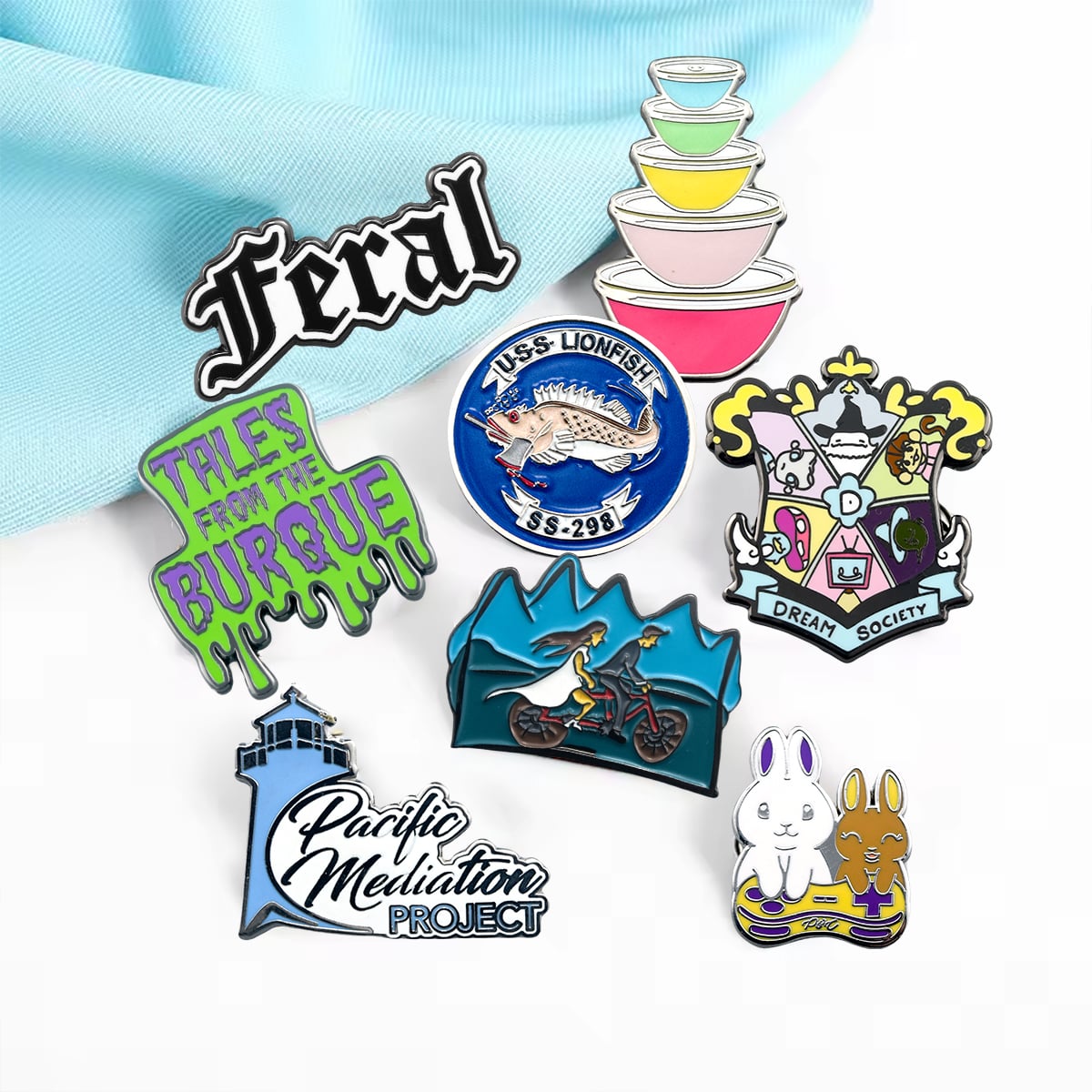
Understanding the minimum order requirements for custom lapel pins is crucial for businesses, organizations, and individuals planning promotional campaigns or commemorative events. These requirements vary significantly across manufacturers and can impact both cost-effectiveness and project feasibility. Most reputable manufacturers establish minimum order quantities to ensure production efficiency while maintaining quality standards. The complexity of custom lapel pins manufacturing processes, including design setup, mold creation, and quality control measures, necessitates these minimum thresholds to make production economically viable for both suppliers and customers.

The majority of professional manufacturers set minimum order quantities between 50 and 100 pieces for standard custom lapel pins designs. This threshold reflects the initial setup costs associated with creating custom molds, mixing enamel colors, and configuring production equipment. Smaller quantities often result in disproportionately high per-unit costs due to fixed production expenses being distributed across fewer items. Premium manufacturers may require higher minimums, particularly for complex designs featuring multiple colors, special finishes, or intricate detailing that demands specialized tooling and extended production time.
Some manufacturers offer flexibility for prototype orders or sample production, typically requiring 25-50 pieces as absolute minimums. These lower-quantity options often come with higher per-unit pricing but provide valuable opportunities for design validation and quality assessment before committing to larger production runs. Understanding these industry standards helps buyers make informed decisions about supplier selection based on their specific quantity requirements and budget constraints.
Several critical factors determine minimum order requirements across different manufacturers and design specifications. Design complexity plays a primary role, with simple single-color designs typically requiring lower minimums compared to multi-colored or gradient designs that demand specialized production techniques. The type of pin construction, whether soft enamel, hard enamel, or die-struck options, also influences minimum quantities due to varying production complexity and tooling requirements.
Manufacturing location and supplier business model significantly impact minimum order policies. Overseas manufacturers often maintain higher minimums but offer more competitive per-unit pricing for larger quantities. Domestic suppliers may provide lower minimums with faster turnaround times but at premium pricing levels. Seasonal demand fluctuations, material availability, and production capacity constraints can temporarily affect minimum order requirements across the industry.
Simple pin designs featuring basic shapes, single colors, and minimal text elements typically qualify for lower minimum order quantities. These straightforward designs require less complex tooling, shorter setup times, and standard production processes that manufacturers can execute efficiently even for smaller batches. Single-color enamel fills, basic metal finishes, and standard backing options contribute to reduced production complexity and lower minimum thresholds.
Complex designs incorporating multiple colors, gradient effects, photographic elements, or three-dimensional features often require higher minimum orders to justify the additional setup costs and specialized production techniques. These sophisticated custom lapel pins may demand custom color matching, specialized printing processes, or unique finishing techniques that increase both production time and minimum viable quantities for cost-effective manufacturing.
Material choices significantly influence minimum order requirements and overall project costs. Standard brass or iron base materials typically support lower minimum quantities due to widespread availability and established production processes. Premium materials such as sterling silver, gold plating, or specialty alloys may require higher minimums due to material costs, specialized handling requirements, and limited supplier availability.
Special finishing options including antique treatments, sandblasting, or custom plating processes can also elevate minimum order requirements. These specialized treatments often require dedicated production runs, specific environmental conditions, or extended processing times that manufacturers prefer to amortize across larger quantities. Understanding material impact on minimums helps buyers balance design aspirations with practical production constraints and budget considerations.
The economics of custom lapel pins production heavily rely on spreading fixed setup costs across sufficient quantities to achieve reasonable per-unit pricing. Initial tooling costs, including mold creation, die cutting setup, and color preparation, represent substantial upfront investments that manufacturers must recover through production volumes. These fixed expenses explain why per-unit costs decrease significantly as order quantities increase beyond minimum thresholds.
Design digitization, proof creation, and quality control setup contribute additional fixed costs that impact minimum order economics. Professional manufacturers invest considerable resources in ensuring design accuracy, color consistency, and production quality standards that benefit from larger production runs. Understanding these economic fundamentals helps buyers appreciate why minimum orders exist and how they contribute to overall value proposition in custom manufacturing.
Exceeding minimum order requirements unlocks substantial volume pricing advantages that can dramatically reduce per-unit costs. Most manufacturers structure pricing tiers that reward larger quantities with progressively lower unit prices, creating strong incentives for buyers to increase order sizes when practical. These volume discounts reflect operational efficiencies, reduced setup cost allocation, and economies of scale in material procurement and production planning.
Strategic buyers often leverage volume pricing by consolidating multiple design variations into single orders or coordinating with other departments or organizations to achieve higher quantity thresholds. This approach maximizes cost efficiency while maintaining design flexibility across different applications or events. Understanding volume pricing structures enables more effective budget planning and procurement strategy development for ongoing custom lapel pins requirements.
Selecting the right manufacturer involves careful evaluation of minimum order policies alongside production capabilities, quality standards, and service levels. Established manufacturers with comprehensive facilities often maintain higher minimums but provide superior quality control, faster production times, and more reliable delivery schedules. Smaller or specialized suppliers may offer greater flexibility on minimum quantities while potentially compromising on production capacity or consistency.
Manufacturer specialization areas significantly impact minimum order policies and overall project success. Suppliers focused on promotional products may offer different minimum structures compared to those specializing in corporate awards or commemorative items. Evaluating alignment between supplier strengths and project requirements ensures optimal outcomes beyond simply meeting minimum quantity thresholds.
Professional manufacturers often demonstrate flexibility in minimum order requirements for established customers, repeat business, or strategic partnerships. Building long-term supplier relationships can unlock preferential minimum order treatment, especially when combined with consistent ordering patterns or multi-project commitments. Effective negotiation focuses on demonstrating value beyond individual transactions to encourage supplier accommodation on quantity requirements.
Timing considerations provide additional negotiation leverage, particularly during slower production periods when manufacturers may accept smaller orders to maintain operational efficiency. Off-peak scheduling, flexible delivery timelines, or willingness to accommodate production constraints can influence supplier willingness to reduce minimum requirements. Professional buyers leverage these factors strategically to optimize both cost and minimum order outcomes.
Accurate demand forecasting enables strategic planning around minimum order requirements while avoiding excess inventory challenges. Organizations should carefully analyze historical usage patterns, upcoming events, and promotional campaign requirements to determine optimal order quantities that balance minimum requirements with practical inventory management. Overestimating needs to meet minimums can create storage challenges and tie up working capital unnecessarily.
Collaborative planning across departments or organizations can help achieve minimum order thresholds while distributing inventory appropriately. Educational institutions, corporate divisions, or related organizations may coordinate purchases to meet manufacturer minimums while maintaining relevant design variations. This collaborative approach maximizes cost efficiency while ensuring each participant receives appropriate quantities for their specific requirements.
Understanding production timelines helps optimize minimum order planning and ensures adequate lead time for quality manufacturing. Rush orders or compressed timelines may force acceptance of higher minimum quantities from suppliers with immediate availability rather than optimal cost structures. Strategic planning allows evaluation of multiple suppliers and minimum order options without time pressure constraints that can compromise decision quality.
Seasonal considerations affect both minimum order requirements and production capacity across the industry. Peak promotional periods, graduation seasons, and holiday gift cycles create increased demand that may temporarily raise minimum requirements or extend production timelines. Planning purchases during off-peak periods often provides access to more favorable minimum order terms and faster production schedules.
Most professional manufacturers require minimum orders between 50-100 pieces for standard custom lapel pins designs. This threshold reflects the fixed setup costs including mold creation, color preparation, and production configuration that must be distributed across sufficient quantities to maintain reasonable per-unit pricing. Some suppliers offer lower minimums of 25-50 pieces for prototypes or simple designs, though typically at higher per-unit costs.
Design complexity significantly impacts minimum order quantities, with simple single-color designs typically requiring lower minimums compared to complex multi-colored or specialty designs. Complex features like gradient effects, photographic elements, or three-dimensional details demand specialized production techniques and custom tooling that manufacturers prefer to amortize across larger quantities. Simple designs with basic shapes and standard finishes often qualify for the lowest available minimum order thresholds.
Professional manufacturers often demonstrate flexibility on minimum orders for established customers, repeat business, or strategic partnerships. Negotiation success typically depends on factors like production timing, design simplicity, and long-term business relationship potential. Off-peak production periods, flexible delivery schedules, and willingness to accommodate manufacturing constraints can provide additional leverage for reducing minimum requirements below standard thresholds.
Ordering exactly the minimum quantity typically results in the highest per-unit costs since fixed setup expenses are distributed across the fewest possible pieces. Most manufacturers structure pricing tiers that reward larger quantities with progressively lower unit prices, creating substantial cost advantages for exceeding minimum thresholds. Strategic buyers often find significant value in slightly increasing order quantities to access better volume pricing tiers that more than offset the additional piece costs.

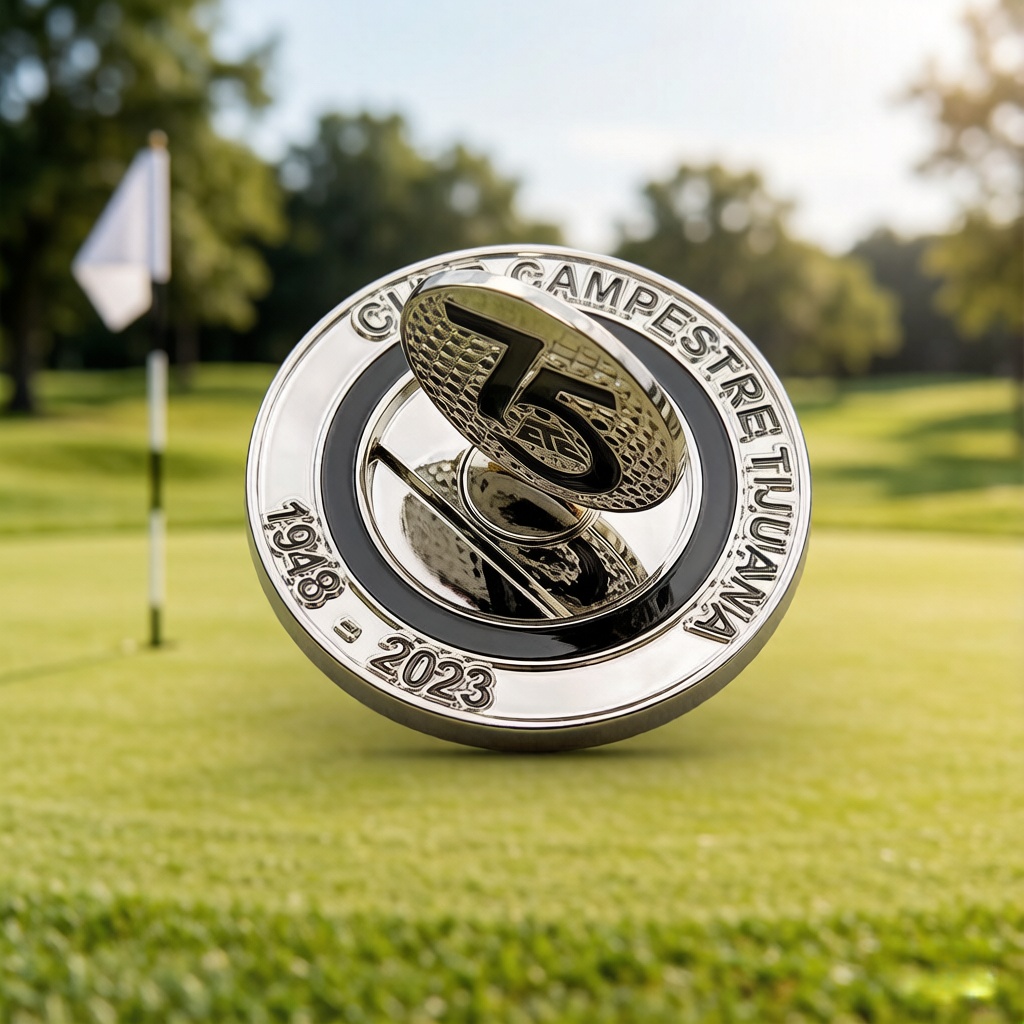
Our custom products include lapel pins, 3M Sticker Pins, Challenge coins, Golf ball marker, Keychains, Medals, Bottle openers, Belt buckles, Cuff-links, Lanyards, etc.
 EN
EN




 Hot News