 EN


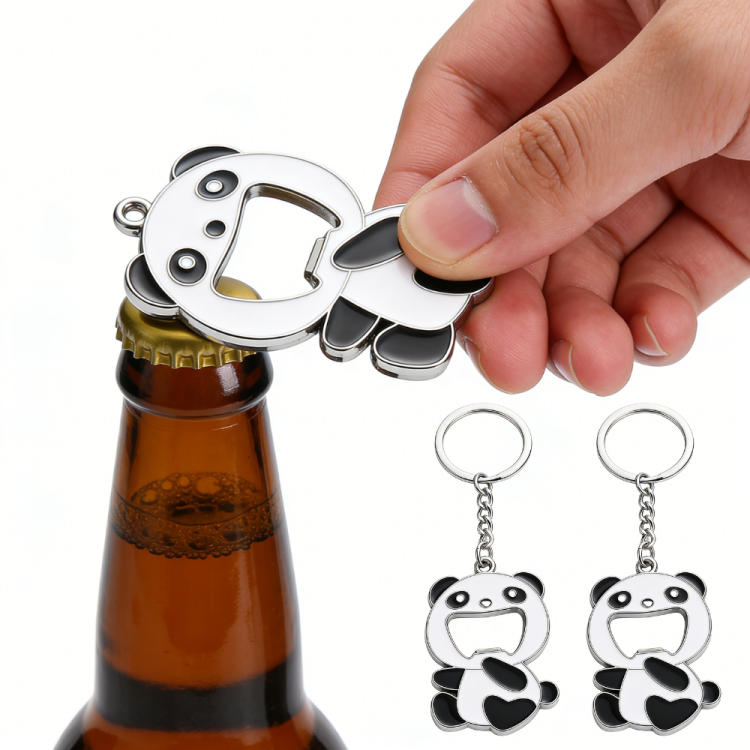
A promotional item earns a place in someone's routine when it solves a small, familiar problem. A custom keychain can keep essential keys together while giving a business a practical surface for its name, colors, or message. The strongest designs treat usefulness and brand visibility as connected goals, not competing priorities, so the recipient has a reason to carry the item beyond the first day.
That balance comes from decisions made before production: who will use the item, what they need to carry, and where the branding should appear. A personalized key holder can reflect a campaign without becoming cumbersome, while durable materials help it withstand ordinary handling. A sensible organization setup also makes the practical benefit clear: keys stay easier to identify, access, and carry.
Designing a Keychain Around Everyday Use
Start With the Recipient's Routine
Begin by considering how recipients actually carry keys. An employee may need a compact set for a locker or equipment cabinet, while an event attendee may attach the item to a bag. A personalized key holder works best when its shape, weight, and attachment point suit that routine. The organization side should make access simpler, not add another object that gets in the way.
Think about daily contact with pockets, bags, and work surfaces before finalizing a design. Material choice matters because the item is handled repeatedly and may rub against other objects. The profile should remain comfortable to carry, and its edges should be appropriate for the intended setting. Pairing these choices with restrained branding makes the branded feature feel like part of a useful object.
Keep Access Intuitive
A useful design lets people recognize and retrieve the right keys without unnecessary effort. Separate rings, clear labels, or distinct shapes can support organization when recipients manage several keys. The mechanism should be straightforward to operate, while the branded area should leave enough room for the identity to remain legible rather than competing with functional details.
Practicality also depends on the small decisions that appear during handling. The selected finish should suit regular contact, but the construction should match the expected use and budget. Keep attachments secure and avoid excess bulk. When these elements work together, the keychain feels intentional: branding is visible, yet the everyday task of carrying keys remains central.
Material and Construction Comparison: Matching the Spec to the Use Case
The biggest B2B mistake is defaulting to one material for every campaign. The table below compares the common options buyers actually choose between, so the specification can follow handling conditions, branding method, and volume rather than habit.
| Option | Weight & Feel | Branding Method Fit | Durability Profile | Best For | Watch-Outs |
|---|---|---|---|---|---|
| Zinc alloy (die-cast) | Solid, substantial | Raised relief, enamel fill, engraving | Good for frequent handling; plating wears at high-contact edges | Workplace access keys, premium giveaways | Higher mold cost; heavy for mailed kits |
| Stainless steel | Dense, premium | Laser engraving, etching | Strong wear and corrosion resistance | Long-life corporate gifts, outdoor use | Higher unit cost; limited color fill |
| Aluminum | Light | Anodizing, laser engraving, printing | Moderate; dents more easily | Trade-show handouts, mailed kits | Softer surface; color can fade with abrasion |
| Leather / PU | Soft, quiet | Embossing, debossing, foil stamp | Wears gracefully but stains | Executive gifts, hospitality | Not suited to heavy key bundles |
| Acrylic / plastic | Very light | UV printing, insert cards | Scratches visibly; lower load strength | High-volume promotions, short campaigns | Weak hardware attachment if poorly specified |
| Brass | Heavy, warm tone | Engraving, etching, plating | Excellent longevity; patinas over time | Recognition items, heritage branding | Cost and weight; plating choice critical |
Practical takeaway: match the material to the load and the environment first, then choose the branding method it supports. A die-cast zinc body handles raised enamel branding and daily key weight; stainless steel or brass suits long-life engraving; aluminum and acrylic keep mailed kits light but trade off surface resilience.
Choosing Materials and Branding That Last
Match Construction to Use Conditions
Material selection should follow the conditions recipients are likely to encounter. Keys used indoors may need less exposure resistance than keys carried outdoors or around equipment. Evaluate candidates for finish, weight, and how they respond to frequent handling. The specification can then balance appearance against the demands of its environment.
Ask how the item will be distributed and used, rather than assuming every campaign needs the same construction. A workplace set may prioritize easy identification, while a visitor giveaway may need a compact format. The chosen finish should support the intended message and remain suitable for routine contact. Reviewing samples and confirming artwork placement helps reduce surprises before a larger order.
Make the Brand Easy to Recognize
Branding works best when the visual hierarchy is clear. A concise logo or campaign mark is usually easier to notice on a small surface than a crowded message. Present the identity at a readable scale, with enough contrast between the artwork and its background. The material provides the physical base, but thoughtful layout gives the item its recognizable character.
Consider whether recipients will see the design while using the keys, carrying the item, or reaching into a bag. Suitable finishing can help preserve the intended appearance through ordinary use, although no material removes the effects of wear entirely. Color or shape can also distinguish key sets, giving the brand a supporting role in a useful visual cue.
Connecting Promotion to Distribution
Choose a Format for the Campaign Setting
The right format depends on the moment of handoff. At a trade event, a lightweight item is easier to carry alongside brochures and samples. For onboarding, a more durable option can accompany access keys or equipment. The format should make sense in that context and support the recipient's next step rather than serve as decoration alone.
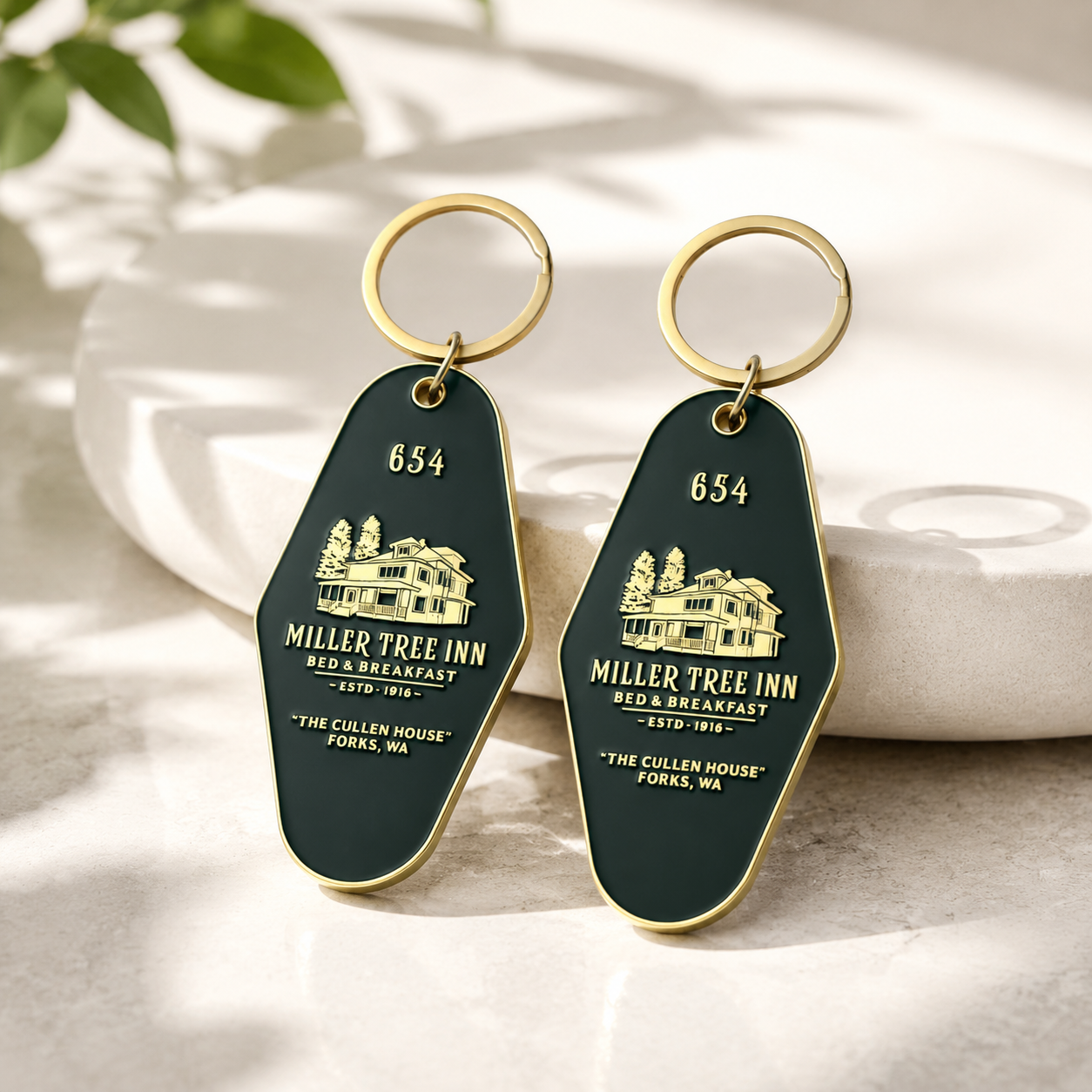
A well-planned design can reinforce the purpose of a campaign when it helps people separate work, home, or facility keys. Before ordering, estimate who will receive the item and how it will be handed out or packed. Durability may be important for long-term workplace use, while compact dimensions can matter when the item is included in a mailed kit or event bag.
Coordinate Quantity, Message, and Follow-Through
Production planning should connect the design to the campaign schedule. Confirm artwork, attachment style, packaging, and delivery timing early enough to review a sample where possible. A personalized keychain can carry a brief call to action or a simple identity mark, but the message should remain useful after the event has ended. Specify materials according to actual use, not assumption.
Measure the result by more than how many items were distributed. Feedback about comfort, usefulness, and whether recipients kept the item can inform future campaign choices. A design that solves a real access problem has a stronger reason to stay in circulation. When format, finish, and brand treatment align, promotion becomes a quiet part of daily use rather than a short-lived interruption.
FAQ
How can a keychain remain useful after an event?
Choose a compact design that fits a routine recipients already have, such as carrying work or home keys. A custom keychain should offer a clear practical purpose, and separate rings or labels can help users distinguish sets. Restrained branding is more likely to feel like an everyday tool than a crowded campaign surface.
What should a business consider when selecting materials?
Consider the setting, handling frequency, weight, and appearance expected from the item. Materials should suit the likely conditions, and the finished piece should be comfortable for its intended user. No material eliminates wear, so select a finish appropriate to the campaign and the expected lifespan.
How should branding fit on a small key accessory?
Prioritize one recognizable visual element and keep supporting copy brief. Material and finish should complement that element, while color or shape can aid recognition of different key sets. This approach keeps the item practical and makes the identity easier to notice in daily use.