 EN


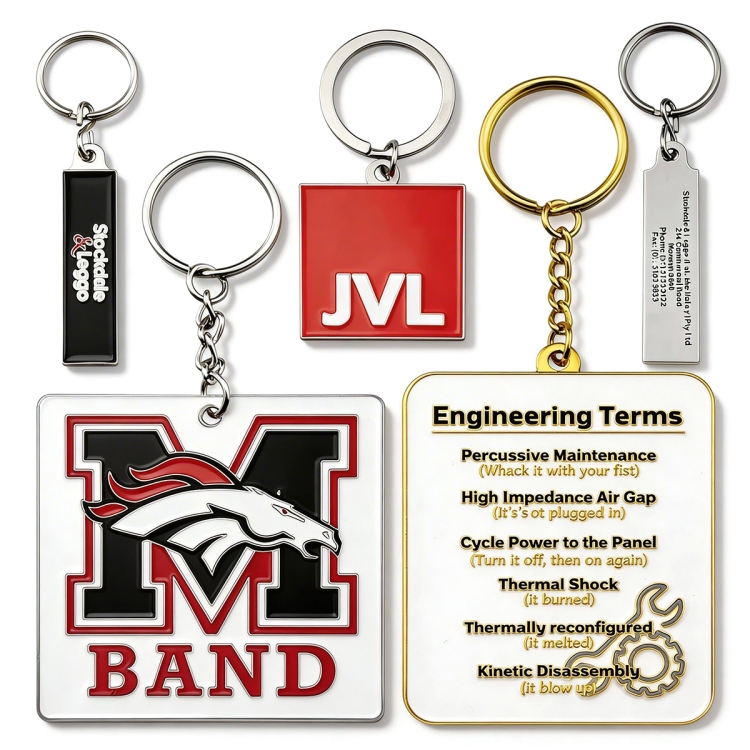
Precision casting matters because a metal keychain must combine useful strength with a compact shape, clean edges, and details that remain legible. Casting accuracy influences how consistently those features appear from one unit to the next. For buyers planning personalized keychain gifts, it also helps turn an artwork concept into a practical object that can be carried, handled, and presented with confidence.
The process is important not simply because it forms metal, but because the casting stage shapes the foundation for finishing, assembly, and everyday use. When a design includes raised lettering, a logo, or a distinctive outline, small differences can affect the finished appearance. Understanding precision casting helps purchasers assess durable keychain materials and specify custom engraved keychains with realistic expectations.
How Precision Casting Shapes the Finished Keychain
Accurate Forms Support Recognizable Details
Casting begins with a planned shape and a mold that defines the keychain's profile. Greater control over that form helps reproduce curves, borders, relief, and other design features consistently. For personalized keychain gifts, faithful reproduction matters because the intended graphic or symbol should remain recognizable at a small scale. Careful shaping also gives custom engraved keychains a suitable foundation for later surface work.
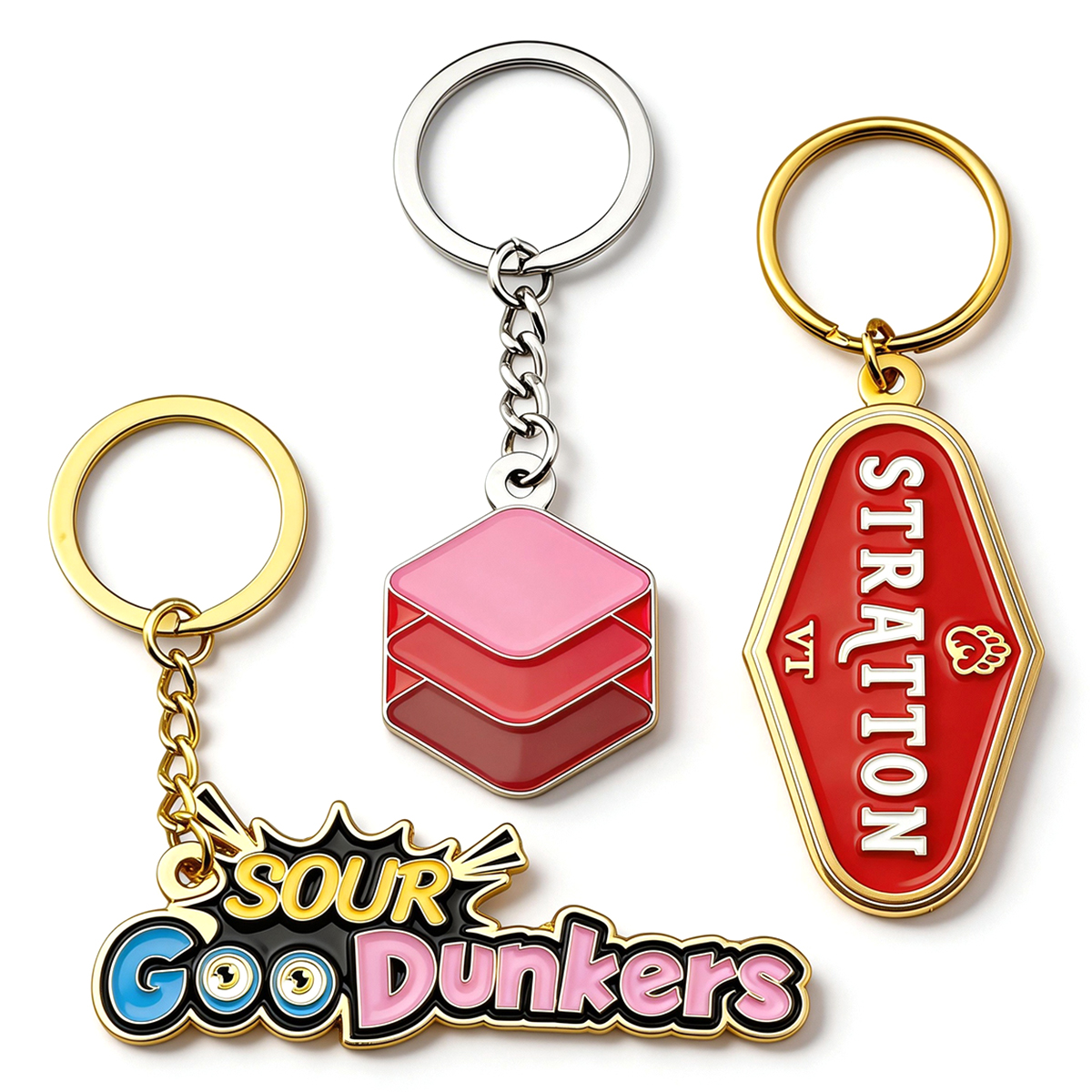
A compact accessory leaves little room to hide uneven contours. If edges vary or a raised feature is poorly defined, finishing may not fully correct the issue. Precision at the forming stage can therefore reduce avoidable variation and make durable keychain materials easier to evaluate in context. Buyers should review whether the proposed geometry suits the casting method and whether essential details remain clear at the actual dimensions.
Controlled Dimensions Improve Fit and Finish
Dimensions influence more than appearance: they also affect the relationship between the body, attachment point, and key ring. A well-considered casting specification helps the components align and gives finishing operations a predictable surface to work with. When planning custom engraved keychains, confirm that the engraving area is large enough for the design and that its placement does not crowd the outline.
Consistency is especially valuable when an order contains many matching units. A shared profile makes personalized keychain gifts feel like one coordinated batch rather than a collection of noticeably different pieces. It also supports practical inspection: teams can compare shape, thickness, and detail against agreed samples. Clear dimensional expectations help purchasers judge durable keychain materials without confusing a material question with a casting or finishing issue.
Casting Method Comparison: Matching the Process to the Design
Not every keychain design should go through the same forming route. The table below compares the common production methods buyers are usually choosing between, so the casting decision can be tied to detail level, volume, and budget rather than habit.
| Method | How It Forms the Shape | Detail & Edge Quality | Tooling / Setup | Best Fit | Main Limitation |
|---|---|---|---|---|---|
| Precision die casting (zinc alloy) | Molten metal injected into a steel mold under pressure | High repeatability; crisp relief and clean outlines | Higher upfront mold cost; low unit cost at volume | Complex emblems, raised lettering, large batches | Mold cost only pays off at quantity; small undercuts need design review |
| Stamping / punching | Sheet metal cut and embossed by die | Good for flat, simple silhouettes; limited 3D relief | Moderate die cost | Simple shapes, thin profiles, budget programs | Weak on fine raised detail and deep contours |
| Etching | Metal partially removed by chemical process | Fine linework, shallow depth | Low tooling; digital artwork driven | Text-led designs, flat graphic detail | Shallow relief; edges less dimensional than casting |
| CNC machining | Material cut from solid stock | Very precise; good for prototypes and short runs | Low setup, high unit cost | Prototypes, small premium runs, tight tolerances | Costly per piece; not economical at volume |
The practical takeaway: precision die casting is usually the right foundation when a metal keychain needs raised lettering, a recognizable logo, and consistent edges across a large batch. Simpler or flatter designs may be better served by stamping or etching, and prototypes are often machined before a mold is committed.
Why Casting Precision Matters in Production
Repeatability Supports Reliable Batch Planning
In production, precision means controlling variation rather than expecting every handmade step to look identical by chance. A defined mold and reviewed specifications give the production team a reference for repeating the design. This is useful for personalized keychain gifts prepared for events, staff programs, or customer campaigns, where matching appearance across the batch can be part of the brief.
Repeatability also helps teams coordinate casting with polishing, plating, coloring, or other selected finishes. If the underlying form shifts, later steps may reveal differences in edge coverage or surface appearance. Discussing durable keychain materials alongside the intended finish clarifies what the finished item needs to withstand. For custom engraved keychains, confirm that the artwork, casting detail, and engraving plan are compatible before production begins.
Inspection Connects Specifications to Use
A useful quality review checks the features that matter for the intended application, not just whether an item looks attractive in a photograph. Review the outline, visible surface, attachment area, and any text or symbol that must remain readable. For custom engraved keychains, inspect the depth and placement of the engraving, while also checking that the key ring connection suits the expected everyday handling.
Inspection criteria are more effective when agreed before a batch is made. A sample can help clarify acceptable appearance, dimensions, and finish, while written artwork files reduce ambiguity about small elements. Personalized keychain gifts may also need consistent color or presentation, so define those requirements separately from casting tolerances. This approach makes durable keychain materials a practical specification topic rather than a vague promise of longevity.
Applying Casting Choices to Keychain Requirements
Match Detail to the Design and Audience
A complex emblem, a simple silhouette, and a text-led design place different demands on casting. Fine relief can add visual definition, but the smallest features need to remain appropriate to the finished size. When choosing personalized keychain gifts, consider how recipients will view and handle the item. Review custom engraved keychains at actual scale, since a design that looks clear on a screen may need simplification.
The same review should consider edges, thickness, and the balance between visual impact and comfortable handling. A bold shape might suit a promotional keepsake, while a restrained profile may better fit a formal recognition item. Ask how durable keychain materials and the selected finish will work together in the expected setting. Precision casting helps preserve the chosen design, but it cannot compensate for artwork that is too crowded or unsuitable for the size.
Set a Practical Brief Before Ordering
A strong brief states the intended purpose, approximate dimensions, artwork requirements, finish, attachment style, and inspection priorities. It should identify which features are essential and which can allow modest variation. For custom engraved keychains, provide clean artwork and specify text placement early. For personalized keychain gifts, confirm whether each item shares one design or requires individual names or details.
Before approving production, review a representative sample or proof against the written brief. Check that the casting shape supports the intended engraving, the attachment is properly positioned, and the finish meets the visual requirement. Discuss durable keychain materials in terms of the actual use environment, such as frequent handling or occasional display. These steps make the specification more useful and help ensure the final metal keychain reflects the approved design.
FAQ
What does precision casting contribute to a metal keychain?
It forms the keychain's basic shape and detail with controlled dimensions, giving later finishing and engraving a consistent foundation. For custom engraved keychains, that foundation helps keep the artwork aligned with the intended profile. It does not replace inspection, but it makes the design requirements easier to define and assess.
Does casting precision affect how durable a keychain is?
Casting precision supports consistent geometry, but durability also depends on the material, construction, finish, attachment, and conditions of use. Discuss durable keychain materials in relation to how the item will be handled. A clear specification helps distinguish material expectations from appearance and production tolerances.
What should buyers confirm before ordering personalized keychains?
Confirm the final dimensions, artwork, finish, attachment, and review criteria before production. For personalized keychain gifts, clarify whether personalization applies to the full batch or to individual units. Ask for a proof or sample when appropriate, and ensure the chosen process suits the level of detail in the design.