 EN
EN


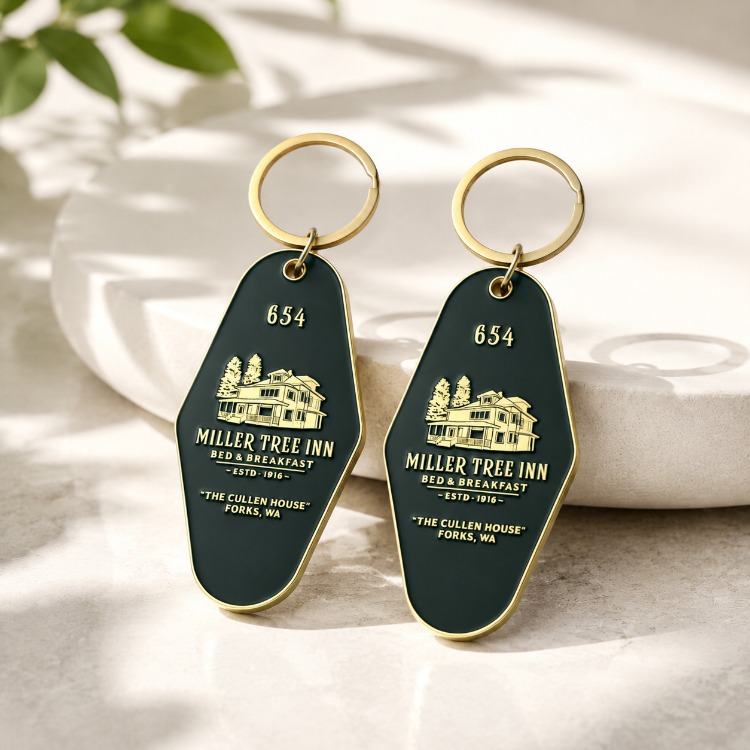
A metal keychain is the rare promotional item that keeps working after the campaign ends. Digital ads scroll away and paper giveaways end up in drawers, but a keychain rides in a pocket or bag and surfaces dozens of times a day — each reach for the keys is a brand impression. For businesses buying promotional products, the question is not whether to use keychains, but how to design and distribute them so those impressions actually build recognition.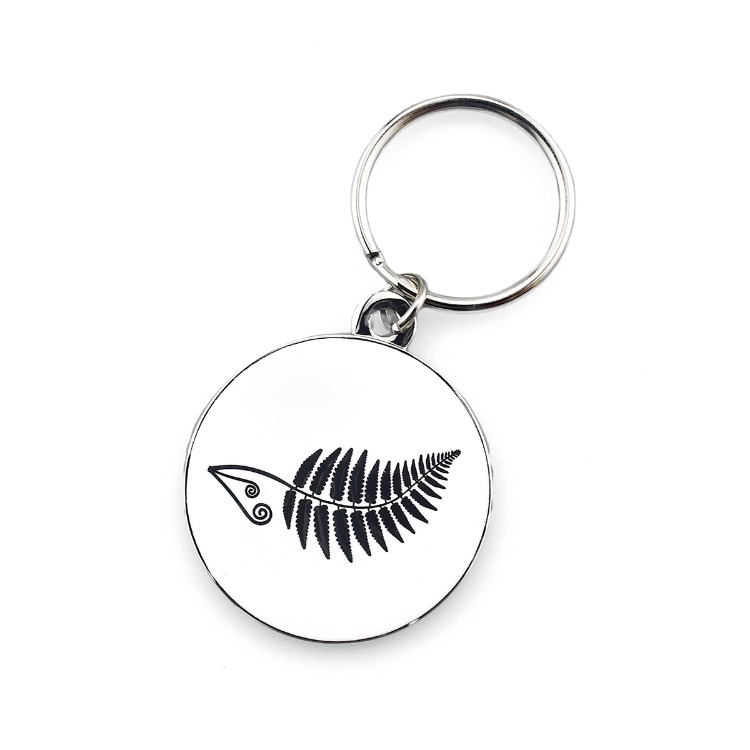
This guide covers the design decisions, material choices and distribution tactics that turn a keychain order into a long-term brand asset — written for marketing managers and procurement teams who need measurable results, not novelty.
Why Keychains Outperform Other Giveaways
Promotional items compete on three measures: how long they survive, how often they get seen, and how the brand is perceived when seen. Metal keychains win on all three:
| Item | Typical lifespan | Brand exposure | Main risk |
|---|---|---|---|
| Metal keychain | Years | Daily — every key use, plus observers | Low — genuinely carried |
| Branded pen | Weeks to months | Frequent | Easily lost |
| USB drive | 1–3 years | Occasional | Becomes obsolete |
| Sticker / decal | Months to years | Static | Treated as decoration |
| Tote bag | 1–2 years | Occasional | Rarely leaves the house |
Design That Reinforces Brand Identity
Visual Language and Placement
Every design element communicates something about the company. Color choice, logo treatment, material and finish all signal quality standards: precise, clean engraving reads as professional and detail-oriented, while cluttered or cheap-looking artwork diminishes the brand it carries. Place the logo on the face that points up when keys rest on a desk, keep supporting text minimal and stick to brand colors — it should look like the brand, not a generic giveaway with a logo stuck on.
Differentiation Through Custom Design
In crowded markets, differentiation drives recall. Custom engraved keychains move beyond standard shapes: die-cut silhouettes, laser-engraved patterns, enamel-filled logos and distinctive profiles turn an everyday item into a conversation starter. A design that looks deliberately made for the brand is remembered; a generic shape with a printed logo is not. That contrast is what separates brands people recognize from brands people have seen.
Materials as Brand Messengers
Choosing the Right Metal
Material choice is a brand statement before any artwork is applied. Stainless steel, aluminum, brass and zinc alloy each behave differently in hand and over time:
| Material | Durability | Feel / look | Best for |
|---|---|---|---|
| Stainless steel | Highest — corrosion-resistant | Substantial, premium | Corporate gifts, premium orders |
| Aluminum | Good — lightweight | Light, modern | High-volume event runs |
| Brass | Good — warm tone, develops patina | Vintage, heritage | Premium and heritage brands |
| Zinc alloy (die-cast) | Good | Dense, highly detailed | Complex custom shapes |
For corporate and gifting programs, the stainless steel keychain is the default: corrosion-resistant through daily carry, substantial in the hand and ideal for crisp engraving. Cheaper materials suggest cost-cutting; the recipient notices the difference at the moment of unboxing.
Longevity Extends the Message
A durable item keeps broadcasting the brand for years; a disposable one ends up in a drawer or landfill within weeks. Every month a keychain stays in use is additional exposure at zero extra cost, which is what makes metal the economical choice despite the higher unit price. The psychological effect matters too: a substantial, well-made item signals that the company values its customers — perception that transfers directly to the brand.
Distribution: Right Item, Right Moment
The Industry Playbook
The same product serves different markets through different distribution logic:
- Real estate — post-closing gifts keep the agent's contact visible for years on the client's key ring
- Technology and SaaS — trade-show giveaways for audiences that appreciate functional, precise design
- Corporate teams — employee appreciation kits that build internal brand culture
- Nonprofits — campaign keepsakes that carry the mission into daily life
Timing Multiplies Impact
Distribution timing is half the strategy. Give keychains after completed transactions to reinforce the relationship; include them in new-customer welcome packages for a lasting first impression; hand them out at trade shows where attendees become mobile advertisements; use them as milestone gifts to reward loyalty. Each moment creates a different brand association, and all extend the keychain's working life as a touchpoint.
Production Checklist for Buyers
Before placing an order, confirm the following in writing with the supplier:
- Vector artwork with fonts outlined and minimum line width specified
- Production method: laser engraving for flat steel, die-cast relief for zinc alloy, or print with epoxy fill for full color
- Material grade, finish and protective coating stated in the purchase order
- Physical sample approval before mass production
- MOQ, sample lead time and production lead time
FAQ
How do custom engraved keychains improve customer retention?
They keep the brand in front of customers daily, maintaining top-of-mind awareness long after the original purchase. Each reach for the keys is a physical, immediate reminder — stronger recall than any digital touchpoint — making customers more likely to return when the need arises and to recommend the business.
Why are metal keychains more effective than plastic alternatives?
Metal offers superior durability, weight and perceived value. Stainless steel and brass resist corrosion and keep their appearance through years of use, while plastic fades, cracks and gets discarded quickly. A metal keychain also feels substantial in hand, creating a premium impression that raises the recipient's perception of the brand and increases the chance the item is kept and used.
How should design elements be chosen for custom keychains?
Balance brand identity with practical function. Make the logo or company name prominent but keep the design uncluttered; use brand colors that stay legible over time; choose shapes and features that appeal to the target audience; and test engraving legibility on a sample before mass production. Simpler, focused designs consistently generate stronger recall than complex ones.