 EN
EN


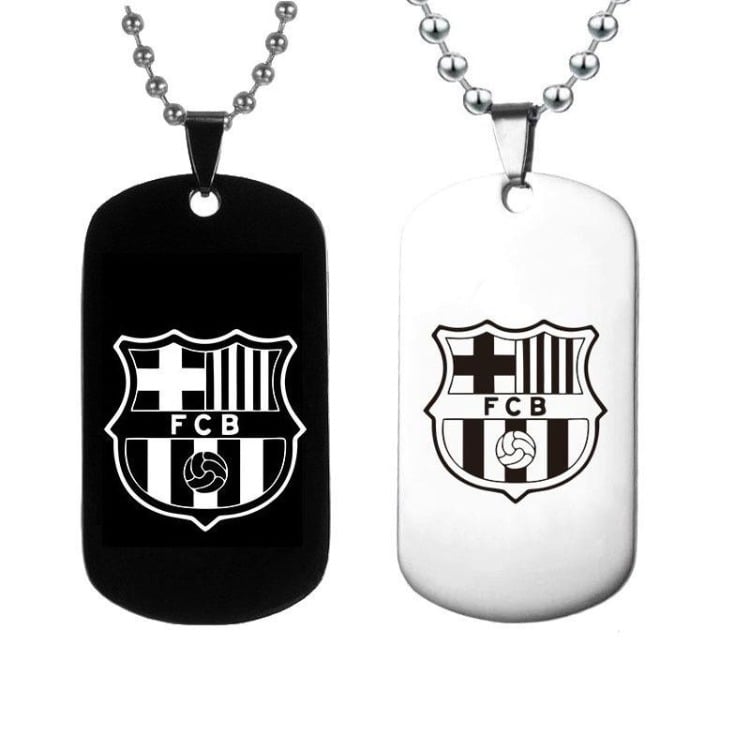
Identity is demand. For manufacturers, wholesalers and e-commerce sellers, every group that wears a dog tag necklace to express who they are represents a distinct order profile — personal jewelry buyers, corporate programs, teams and units, gaming and fandom communities. The tag format carries each of these identities on the same flat metal surface, which is exactly why it sells across so many channels with one production line.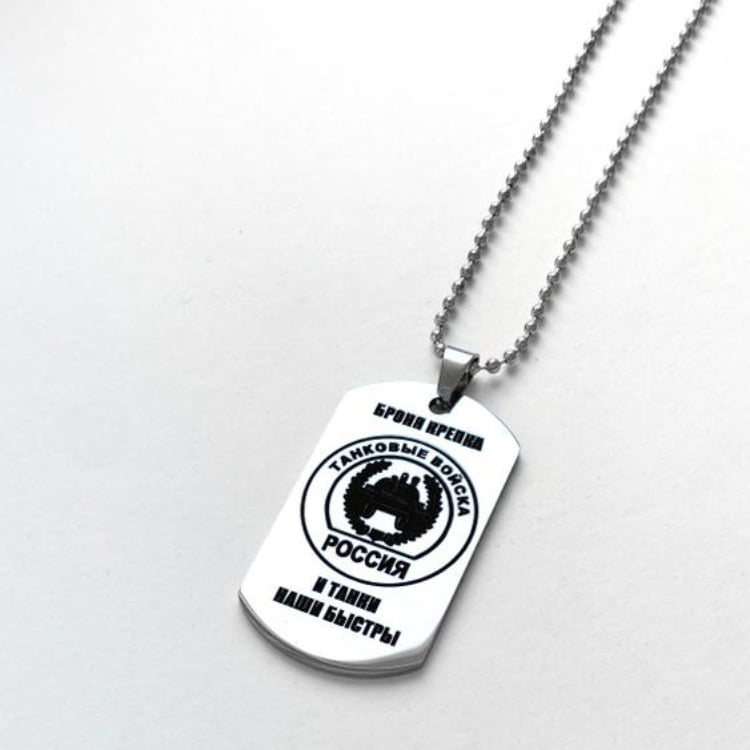
This guide maps the identity markets that buy custom tags, what each segment orders, and how to position engraving, materials and MOQ to serve them.
Identity Segments at a Glance
| Segment | Who buys | What gets engraved | Typical order profile |
|---|---|---|---|
| Personal | End customers, retail sellers | Names, dates, coordinates | Single pieces to small batches |
| Corporate | Marketing managers, HR | Logos, values, event codes | 100–1,000+ units |
| Teams and units | Clubs, sports, services | Names, numbers, mottos | 50–500 units, reorders |
| Gaming and fandom | Merch sellers, streamers | Character art, gamer tags, crests | 100–5,000 units, seasonal drops |
Personal identity is the entry demand: customers ordering a name, a meaningful date, coordinates or a short inscription — as a gift for someone else as often as for themselves. For sellers, this segment works two ways. Retailers stock pre-engraved designs and offer on-demand personalization at the point of sale; online sellers offer custom engraving as a service with a custom dog tag necklace product page, letting buyers type their text at checkout. Because order sizes are small but margins are healthy, this segment rewards low-MOQ manufacturing and fast turnaround more than any other.
Organizational Identity: Corporate and Team Programs
Organizations buy tags to make identity visible and uniform. Corporate teams use engraved tags with the company logo, mission statement or event code as staff kits, onboarding gifts and trade-show giveaways; the chest-level placement makes every employee a walking brand impression. Teams and units — clubs, sports squads, emergency services, volunteer groups — order matching military style dog tag chains engraved with names, member numbers or mottos, which build recognition within the group and communicate belonging outside it.
Charities and cause-driven organizations follow the same logic: supporter tags carrying a mission statement or cause ribbon turn donors and volunteers into ambassadors. For manufacturers, this segment means bulk orders with repeat cycles — annual team intakes, new employee kits, seasonal campaigns — so winning one corporate client can produce revenue for years.
Brand and Fandom Identity: The Merchandise Engine
The fastest-growing identity market is merchandise. Gaming, streaming and entertainment brands license or commission tags featuring character art, gamer tags and crests — the FORTNITE-style tags sold alongside keychains, badges and commemorative coins by e-commerce sellers. This segment buys in volume, drops new designs seasonally and reorders proven sellers, which makes it the strongest driver of production efficiency. The playbook for sellers: launch a limited design, measure sell-through, then reorder winners at larger scale while the original run protects brand credibility through quality control.
Design Support Across Segments
Each identity segment needs slightly different design defaults:
- Material: aluminum for high-volume promotional and fandom drops; stainless steel for corporate and personal pieces; plated or premium finishes for commemoratives and gift tiers
- Engraving: keep personal text to four to five short lines; corporate runs need logo files converted to vector with fonts outlined; fandom art requires detail-tolerant engraving, so test character art at actual tag size
- Chain: ball chain for military-style and value lines; cord or paracord for lifestyle; silicone for younger audiences
- Packaging: retail-ready cards for e-commerce and gift shops; branded boxes for corporate programs
Ordering to Serve Multiple Segments
One production line can serve all four markets if the offer is structured. Define standard sizes and engraving fields, publish tiered pricing by volume, and offer sample approval before bulk runs. MOQ flexibility is the commercial edge: small-batch pricing captures personal orders and test drops, while volume breaks pull in corporate and fandom programs. Confirm artwork, finish, chain, packaging, MOQ and lead time in writing before production — the same discipline that keeps every identity segment profitable.
FAQ
How does a dog tag necklace differ from other identity products?
It hangs at chest level, making the message — a logo, a name or a crest — visible to everyone the wearer meets. That visibility turns every piece into an active impression for brands and an immediate recognition signal for teams, which is why the format outperforms rings and bracelets for identity-driven orders.
What should be engraved for different identity markets?
Personal orders: name, date or coordinates. Corporate and team orders: logo, motto, event code or member numbers, kept to what fits legibly. Fandom orders: character art and gamer tags, tested at actual tag size before mass production. Provide vector artwork with fonts outlined for any logo-based engraving.
Can organizations customize dog tag necklaces for team building?
Yes, and it is a proven practice. Units, sports teams and corporate groups order matching tags engraved with names, member numbers or mottos; coordinated pieces create instant visual recognition and reinforce shared identity. The same production can then serve the organization's gifting and merchandise needs — one supplier, multiple programs.