 EN
EN


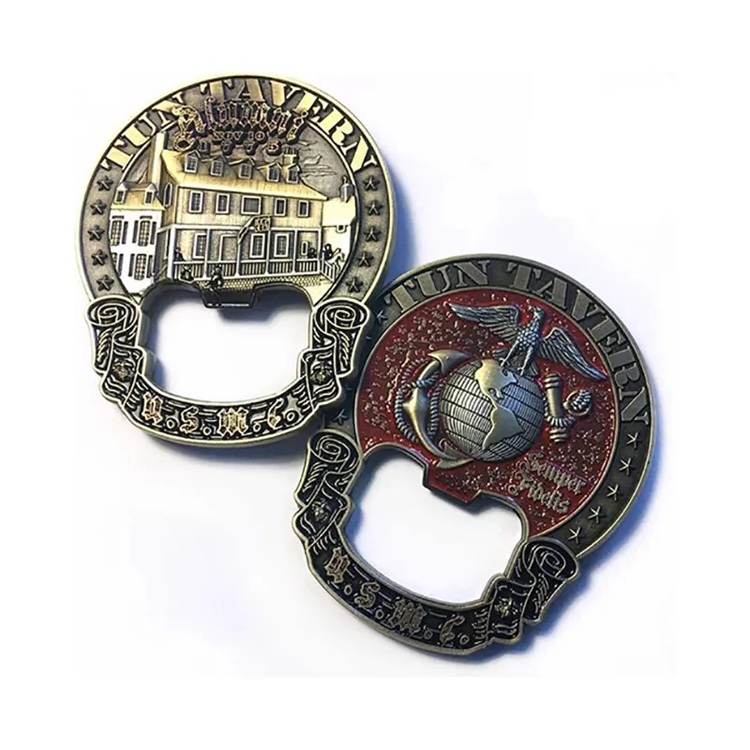
Opening a bottle looks effortless because the tool hides its work. The metal edge pries against a cap that resists, and at that moment the opener's material carries the entire load. A bottle opener that bends, chips or snaps mid-pry is not an inconvenience — it is a failed tool. For bartenders, outdoor users and anyone keeping one in an emergency kit, the material is the product.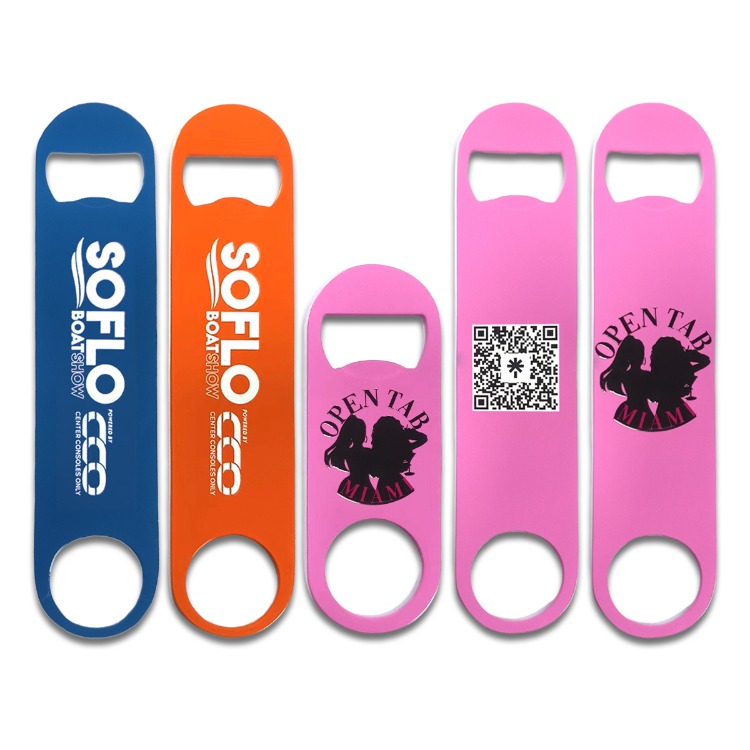
This guide explains what material strength actually means for opener durability, how the common metals compare, and what to specify when ordering.
Materials Compared
An opener's job is pure mechanics: leverage at the cap edge, force transferred through the body. The metal must absorb that load without deforming — once, then a thousand times more. The common options differ sharply:
| Material | Typical tensile strength | Corrosion resistance | Weight | Best suited for |
|---|---|---|---|---|
| 304 stainless steel | ~515 MPa | Excellent | Heavy | All-purpose and outdoor openers |
| 6061 aluminum alloy | ~310 MPa | Good (needs coating) | Light | Keychain and pocket tools |
| Titanium (grade 5) | ~900 MPa | Excellent | Light | Premium, weight-critical tools |
| Zinc alloy (ZAMAK-3) | ~280 MPa | Moderate | Medium | Cast promotional openers |
Stainless steel wins on all-round durability; aluminum and titanium win on portability; zinc alloy keeps promotional unit costs down. The right choice depends on how the opener will be carried and used — not on which metal sounds more premium.
Why Weak Materials Fail
Deformation Under Repeated Load
Every opening cycle bends the tool slightly at the fulcrum. A low-grade metal takes a small permanent set each time — invisible at first, then increasingly sloppy: the edge loses its bite, the cap slips, and each open needs more force until the tool finally gives way. Quality metal springs back after every cycle and holds its geometry through thousands of openings. That resilience is the difference between an opener that serves for years and one that dies after a season.
The same logic applies to multitool designs. A keychain bottle opener spends its life in a pocket or bag, jostled against keys, coins and other tools. Every component — opener edge included — must meet the same strength standard as a standalone unit.
Corrosion: The Silent Failure Mode
Deformation is visible; corrosion is not. Moisture, salt spray and pocket condensation attack inferior alloys from the surface down, and oxidation spreads quickly once the protective layer is breached. Cheap metals can show rust within weeks of coastal or sweaty-pocket use. High-grade stainless resists it entirely, and coated aluminum or zinc alloys keep moisture off the base metal. For a tool that may sit idle for months in a car or emergency kit, corrosion resistance decides whether it works when finally needed.
Strength Enables Better Engineering
Compact Geometry Without Compromise
Strong materials allow thinner cross-sections without flex — how premium openers stay slim yet rigid under load. A weak metal forces thick, clumsy walls to compensate. The difference shows in hand: a well-engineered unit opens with a clean, single motion; a flexing one feels mushy and demands extra pressure.
A Working Edge That Holds Its Shape
The pry edge is the one part of the tool that does real cutting work. It needs hardness to keep its profile and bite under the cap cleanly. Soft alloys roll and chip at the edge after limited use, crushing caps in the process. A properly hardened stainless edge holds its geometry for years, cuts tight seals cleanly and avoids the hand fatigue of fighting a dull tool.
Surface Treatment: Protection and Grip
Raw material is only half the story — finishes decide how long the protection lasts in practice. Anodizing seals aluminum against oxidation; powder coating and plating put a tough barrier over steel and zinc; even a polished surface sheds moisture faster than bare rough metal. These layers resist scratching and dulling far better than an untreated surface, and textured finishes add grip in wet conditions — a real safety factor. A well-finished opener still looks right after a decade; a bare-metal one loses its looks in the first year.
Verifying Strength Before You Spec
Marketing copy will not tell you whether a metal is genuinely load-tested. Ask suppliers for verification:
- Cyclic load testing — mechanical rigs opening thousands of bottles to confirm no deformation
- Salt-spray testing (ASTM B117) — accelerated corrosion exposure to back up rust claims
- Edge wear checks — cap-opening performance measured after extended use
- Drop and impact testing — keychain carry survival, not just bench performance
- Batch material certificates — mill certificates confirming the actual grade delivered
Cost per Use, Not Cost per Unit
A premium stainless unit costs more upfront but routinely outlasts five to ten cheap alternatives. Run the math on cost per open: the tool that fails in month three was never the bargain. The same logic applies at scale — for custom bottle opener programs, the material grade and finish spec belong in the purchase order, not in conversation. A branded opener that breaks is advertising for the competition; one that keeps working is a daily reminder of quality.
FAQ
What material makes the strongest bottle opener?
304 stainless steel offers the best combination of strength, corrosion resistance and cost. Titanium provides higher strength per gram for premium lightweight tools, and high-carbon steel is strong but needs a protective finish against rust.
Does material strength matter for occasional use?
Yes, for a different reason. A cheap unit stored in a damp drawer corrodes even if barely used, and an emergency-kit tool must work on demand after years idle. Weak substitutes can also slip or break under a tight cap — a durable, purpose-built opener is the safer option.
Can an opener be both lightweight and strong?
Yes. Aluminum alloys and titanium offer excellent strength-to-weight ratios, which is why they dominate portable and keychain formats. The key is quality material plus precision manufacturing — strength is engineered in, not guessed at.