 EN
EN


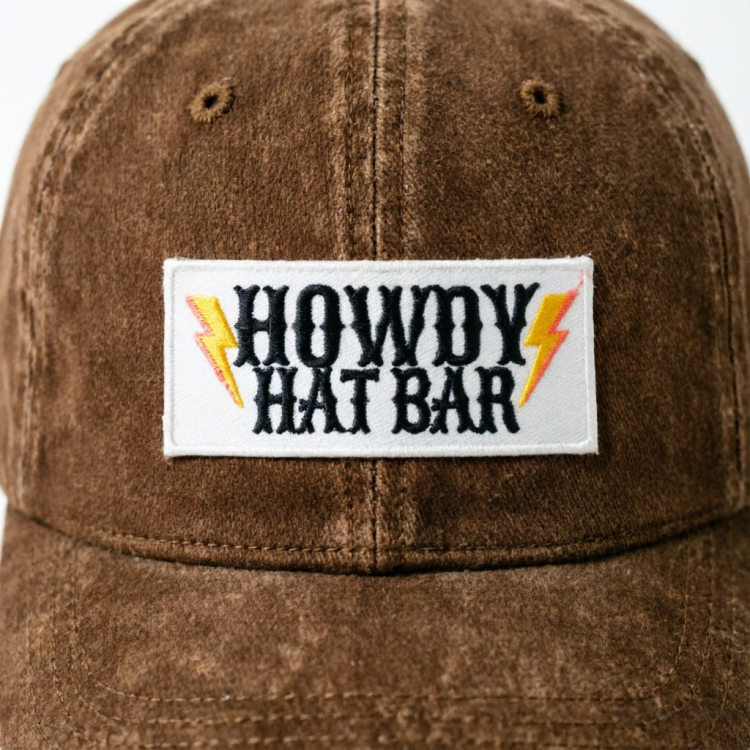
A high-quality embroidery patch is built by technique, not luck. The difference between a patch that frays after a few washes and one that outlives the garment it sits on comes down to thread tension, stitch density, backing selection and production control. For buyers ordering uniforms, corporate merchandise or retail stock in volume, these are not abstract craft details — they are specifications that determine rejection rates, service life and brand perception.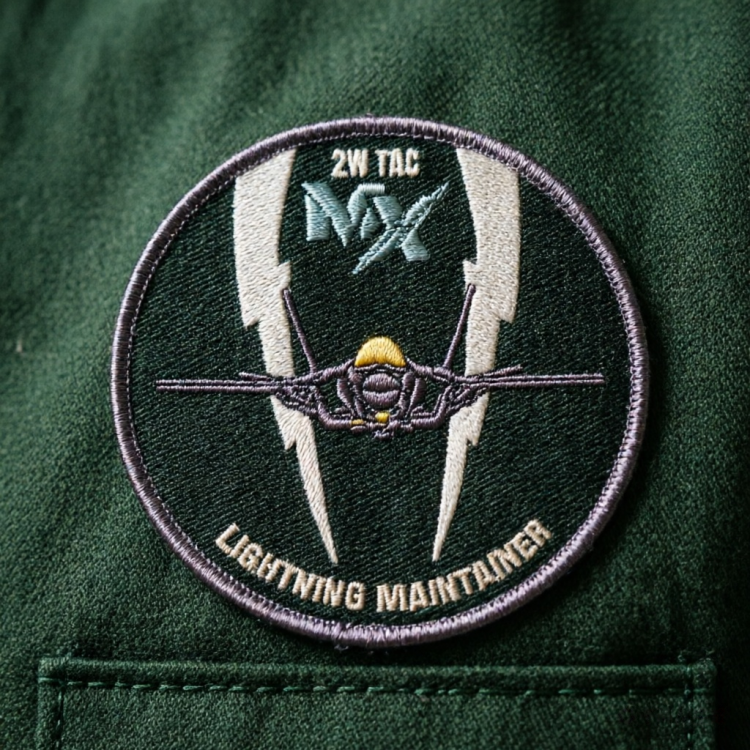
This guide explains the technical choices that decide quality, and what to verify with your supplier before placing an order.
Thread Tension and Stitch Density
Tension Settings That Survive Wear
Thread tension controls how firmly each stitch locks into the backing, and it is the first thing to fail when set wrong. Loose tension lets threads separate during wear or washing, so the design unravels from the edges inward. Excessive tension puckers the fabric and distorts the design, especially on thin backing materials. Professional shops calibrate tension per thread type, backing weight and stitch pattern, then keep it consistent across the whole run — this is what lets an embroidered uniform badge survive countless wash cycles and field use without losing stitches.
Stitch Density as a Quality Marker
Stitch density is the number of stitches packed into a given area. Denser stitching produces a fuller, more durable surface; over-dense stitching builds up thread, stiffens the patch and causes puckering. The workable range for most applications is 4–7 stitches per quarter inch, adjusted for fabric type and design complexity. Small lettering and edge details need higher density to stay defined, while large fills should stay moderate so the patch remains flexible. Specify density per design zone when you request a quote — suppliers who ask about it are suppliers who control it.
Backing Materials and Iron-On Technology
Why Iron-On Backing Matters
Iron-on backing was the innovation that moved patches beyond sew-on-only use. A heat-activated adhesive layer bonds the patch to the garment without needlework, but the bond is only as good as the adhesive formulation. Quality iron-on backing keeps its grip through hundreds of wash cycles; low-grade adhesive can start failing between 50 and 100 washes, while premium formulations exceed 500. If your patches go on commercial uniforms, team apparel or merchandise that gets laundered weekly, specify the adhesive grade instead of accepting factory defaults.
The Backing as Stabilizer
The backing layer also stabilizes the embroidery, preventing the patch from shifting or distorting during stitching and wear. Lightweight backings suit casual apparel; heavier stabilizers support industrial uniforms and tactical gear where the patch is bent, stretched and abraded daily. Thread, backing and adhesive work as one system — a good stitch pattern on the wrong backing still fails early. Cut-away backing is the standard choice for patches that must hold sharp edges; tear-away suits low-density designs and lighter garments.
Thread Quality and Color Retention
Choosing Colorfast Thread
Thread quality shows up first in color. Premium polyester threads resist fading under prolonged sun exposure and repeated washing, while budget threads shift tone after a season. Thread construction also changes how light reflects off the surface, affecting the perceived depth of the design. For outdoor-facing patches or frequently laundered garments, specify UV-stabilized, colorfast polyester and check the supplier's thread brand — branded premium thread is one of the cheapest quality upgrades in patch production.
Stitch Techniques for Design Clarity
Different stitch types produce different surfaces, and professional designs layer them deliberately:
| Stitch technique | Visual effect | Best application |
|---|---|---|
| Satin stitch | Smooth, glossy fill | Lettering, solid color areas |
| Split stitch | Fine, precise lines | Small details, outlines |
| Backstitch | Defined, structured strokes | Borders and structural detail |
| Tatami / fill stitch | Flat, flexible coverage | Large background areas |
Using satin for bold lettering, split or backstitch for fine detail, and tatami fills for large zones keeps the design crisp at embroidery scale and prevents the thread buildup that makes amateur patches look bulky. This layering — not the artwork itself — is often what separates a professional result from a hobby-grade one.
Production Standards and Quality Control
What to Audit in a Manufacturer
Quality patches come from process, and process is auditable. When evaluating a supplier for custom patches, check whether they run these checks:
- Thread quality inspection before production starts
- Continuous machine calibration, especially tension settings
- Stitch security tests on samples from every batch
- Adhesive bond strength testing for iron-on backings
- Color accuracy comparison against the approved sample
- Edge finishing inspection before packing
Computerized Precision with Skilled Oversight
Modern multi-head machines hold exact tension, execute complex stitch patterns and repeat them identically across thousands of pieces — consistency that manual stitching cannot approach. But equipment is only as good as the operator who sets it. Factories that deliver reliably pair computerized control with experienced oversight: machines handle repeatability, operators handle judgment on tension, density and color. Verify both before committing a production run.
FAQ
What stitch density should I specify for a durable embroidery patch?
Aim for 4–7 stitches per quarter inch for most applications. This balances durability against thread buildup. Patches exposed to extreme wear may need higher density around edges and detailed elements — discuss the use environment with your supplier to set the right value per design zone.
Does iron-on backing stay secure after multiple washes?
Quality iron-on backing holds through hundreds of wash cycles when the adhesive is properly formulated and applied. Follow care instructions — warm machine wash and tumble dry — to preserve the bond. Low-grade backing can degrade after 50–100 washes; premium formulations exceed 500.
How do stitch types affect the appearance of a custom patch design?
Satin stitches give smooth, glossy fills for solid areas and lettering. Split stitches deliver fine detail and precise outlines. Backstitch adds structural definition. Layering these techniques strategically creates visual depth while reinforcing the structure — understanding each one helps you brief the manufacturer accurately and predict the final look.