 EN
EN


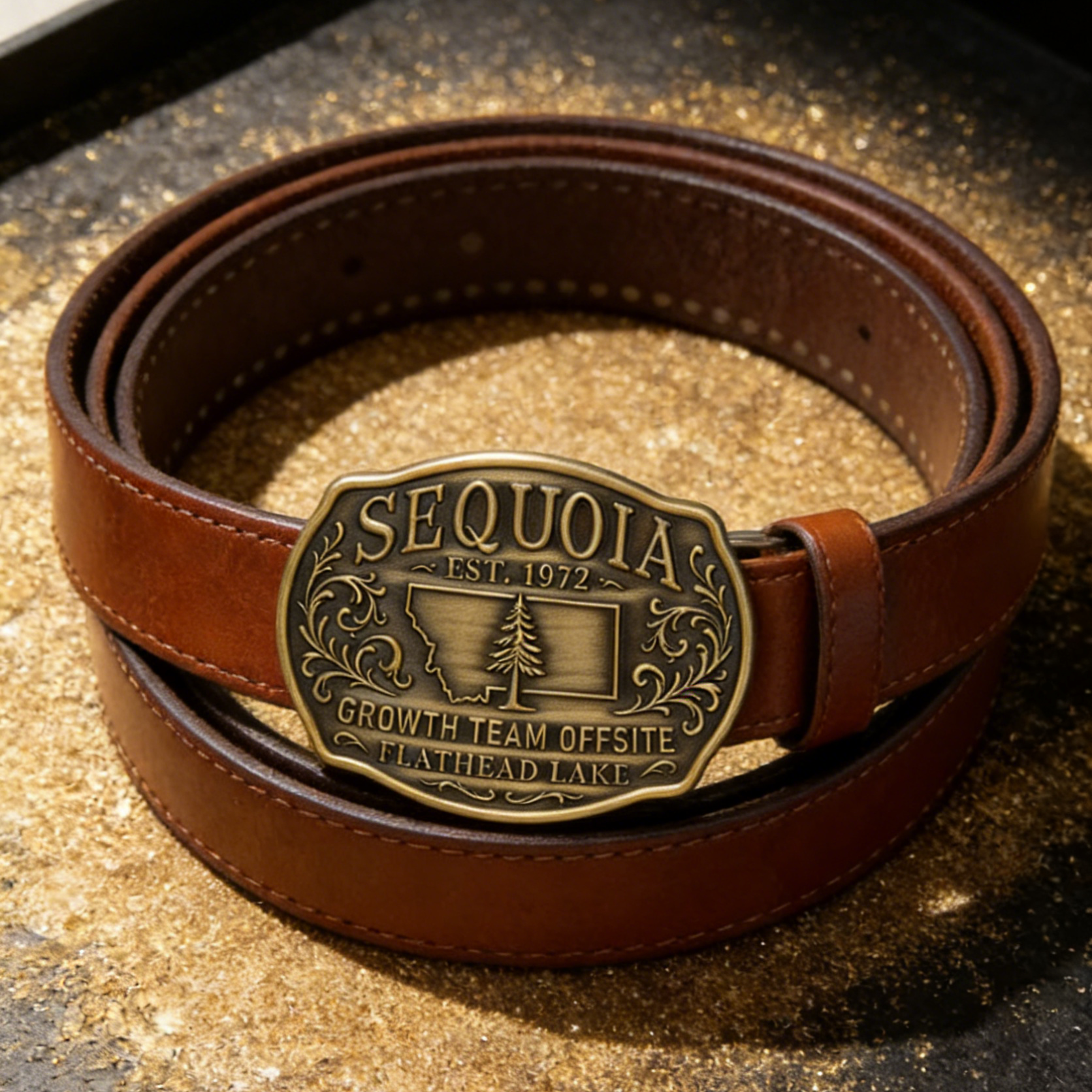
Industrial workwear demands components that can withstand harsh conditions—abrasion, heavy loads, chemical exposure, and constant use—and belt buckles are no exception. For business owners, marketing managers, and e-commerce operators in the custom metal products industry, manufacturing durable belt buckles for industrial workwear is not just about meeting quality standards; it’s about building trust, reducing returns, and tapping into a high-demand B2B market. Below, we break down the key steps and considerations to produce belt buckles that combine durability, functionality, and market appeal, with actionable advice tailored to your operations.
Choose the Right Industrial-Grade Materials for Durability
The foundation of a durable industrial workwear belt buckle lies in selecting the correct materials, as low-grade metals will fail quickly under industrial stress. Opt for industrial-grade stainless steel (304 or 316) for its exceptional corrosion resistance—critical for workwear used in construction, manufacturing, or outdoor industrial settings—or brass, which offers superior strength and a professional finish that ages well without compromising durability. Avoid low-cost alloys like zinc die-cast, which are prone to cracking under heavy loads; instead, prioritize materials with a minimum tensile strength of 500 MPa to ensure they can withstand daily wear and tear. For e-commerce operators, highlighting these material choices in your product descriptions will also boost SEO and appeal to buyers seeking long-lasting solutions.
Adopt Precision Manufacturing Processes to Ensure Structural Integrity
Precision manufacturing is non-negotiable when producing durable industrial belt buckles, as even minor flaws can lead to premature failure. For high-volume production, invest in cold stamping—a process that shapes metal at room temperature to retain its strength and structural integrity—ideal for creating uniform, robust buckles with clean edges. For custom designs (a key selling point for e-commerce operators), use die casting with high-pressure machines to ensure intricate details (such as brand logos or safety markings) are replicated accurately without weakening the buckle. Additionally, ensure your manufacturing team calibrates equipment daily to maintain consistent thickness (1.5–2.0 mm is optimal for industrial use) and avoid gaps or uneven surfaces that could compromise durability. Implementing these processes will not only improve product quality but also reduce waste, lowering production costs for your business.
Implement Strict Quality Control Protocols Throughout Production
Durability cannot be guaranteed without rigorous quality control (QC) at every stage of manufacturing, from raw material inspection to final packaging. Start by testing incoming materials for purity and strength—use a hardness tester to verify metal grade and reject any batches that fall below your standards. During production, conduct in-line checks to inspect for cracks, burrs, or misalignments, especially around the buckle’s hinge and tongue (the most stress-prone areas). After manufacturing, perform load testing (applying 50–100 kg of force to simulate heavy use) and corrosion testing (exposing buckles to salt spray for 48 hours) to ensure they meet industrial standards. For e-commerce and B2B buyers, providing QC reports or third-party certifications (such as ISO 9001) will enhance credibility and differentiate your products from competitors.
Apply Protective Surface Treatments for Long-Term Resistance
Even the strongest metals need protective surface treatments to resist abrasion, corrosion, and fading in industrial environments. For industrial workwear buckles, choose surface treatments that balance durability and aesthetics: powder coating offers a thick, scratch-resistant finish in a range of industrial colors (such as black, gray, or navy) and is resistant to chemicals and UV damage, making it ideal for outdoor or heavy-duty use. Electroplating (with nickel or chrome) provides a sleek, professional look while adding a thin, corrosion-resistant layer—perfect for custom buckles that need to showcase a brand logo. Avoid decorative treatments like painting, which can chip easily; instead, prioritize treatments that add functional protection. For e-commerce operators, clearly communicating the benefits of these surface treatments on your product pages will help buyers understand the value of your durable buckles.
Optimize Customization for Industrial Workwear Compatibility
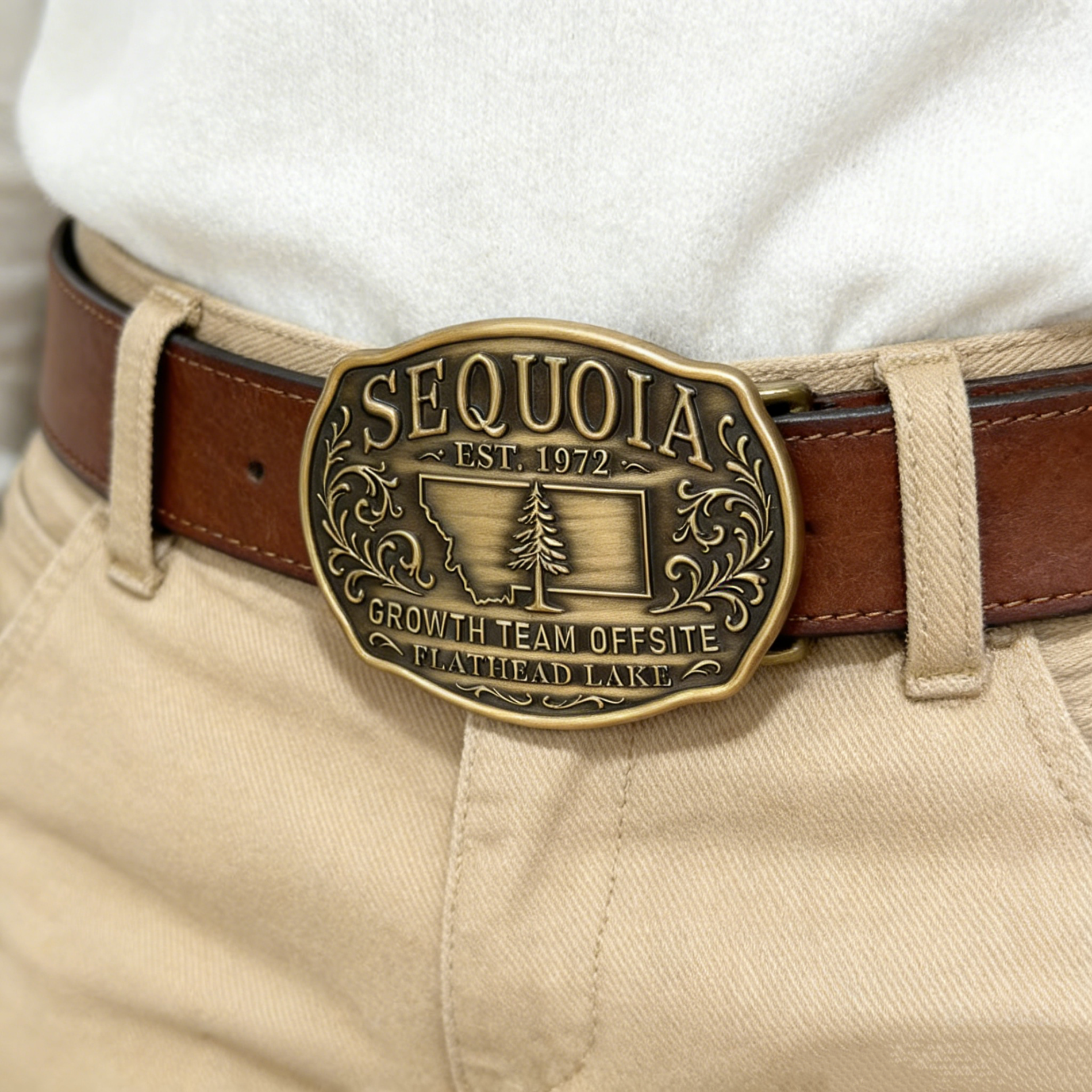
Many B2B buyers (such as workwear brands or industrial companies) seek custom belt buckles that align with their brand identity and functional needs, so optimizing your customization process is key to capturing this market. Ensure your buckles are compatible with standard industrial belt widths (1.5–2.0 inches) to avoid fit issues, and offer custom engraving or embossing for logos, safety slogans, or part numbers—using laser engraving for precision and durability. For e-commerce operators, streamline the customization process by offering online design tools or clear guidelines for submitting custom artwork, and provide sample orders to help buyers verify design and durability before placing bulk orders. Additionally, tailor your customization options to industrial needs: for example, offer non-slip tongue designs or reinforced hinges for heavy-duty applications. By combining durability with customization, you’ll create a product that stands out in the B2B market.
Table of Contents
- Choose the Right Industrial-Grade Materials for Durability
- Adopt Precision Manufacturing Processes to Ensure Structural Integrity
- Implement Strict Quality Control Protocols Throughout Production
- Apply Protective Surface Treatments for Long-Term Resistance
- Optimize Customization for Industrial Workwear Compatibility