 EN
EN


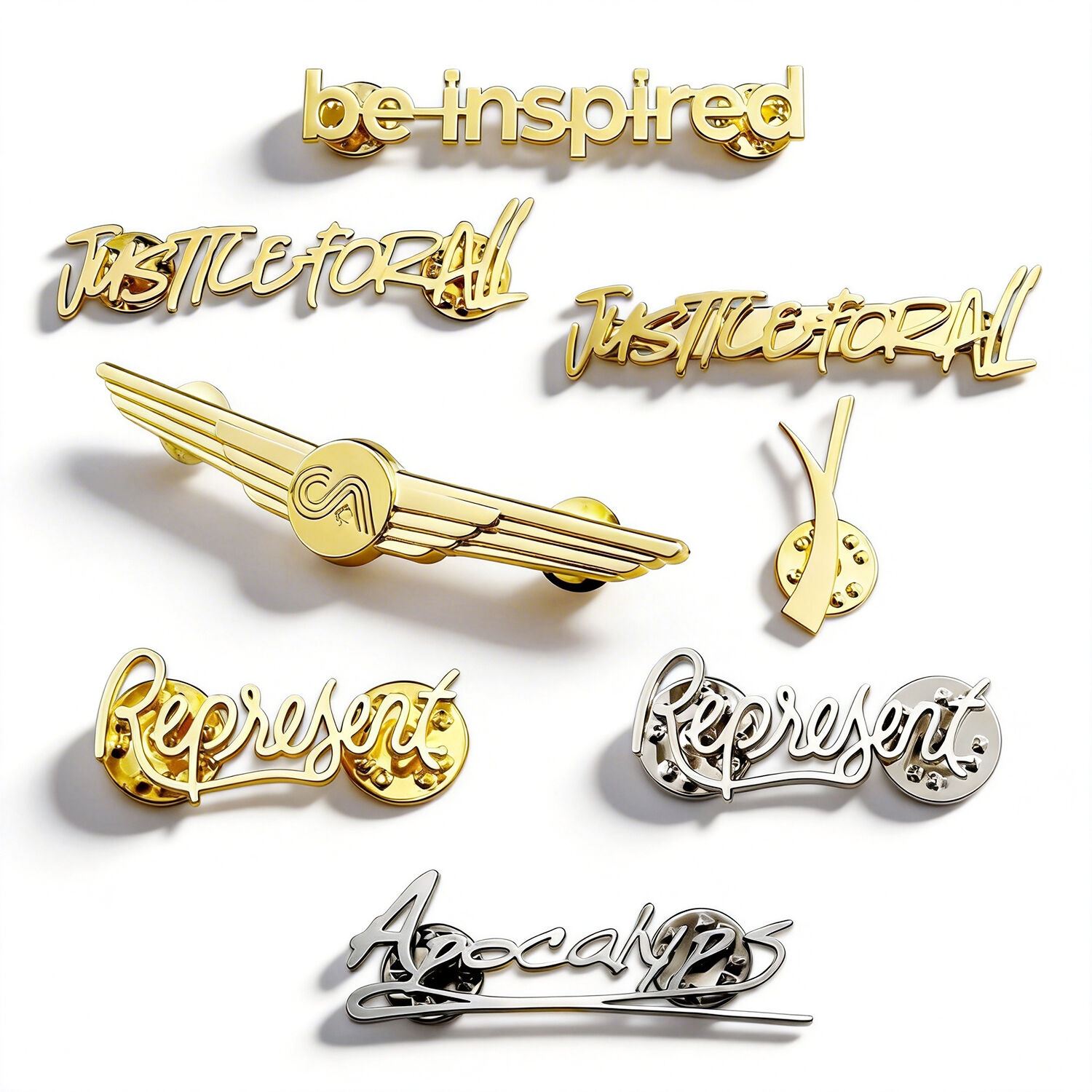
For business owners, marketing managers, and e-commerce operators in the custom metal products industry (such as keychains, badges, and commemorative coins), die-cast enamel pins are more than just decorative accessories—they are a reflection of brand image, a carrier of brand culture, and a high-value promotional tool. The quality of craftsmanship directly determines the product’s durability, visual appeal, and market competitiveness. Evaluating the craftsmanship of die-cast enamel pins requires a systematic perspective, focusing on core links from material selection to finished product inspection. This article will break down the key evaluation dimensions into five practical modules, providing actionable guidance to help you accurately judge product quality, avoid procurement risks, and select high-quality products that align with your brand positioning.
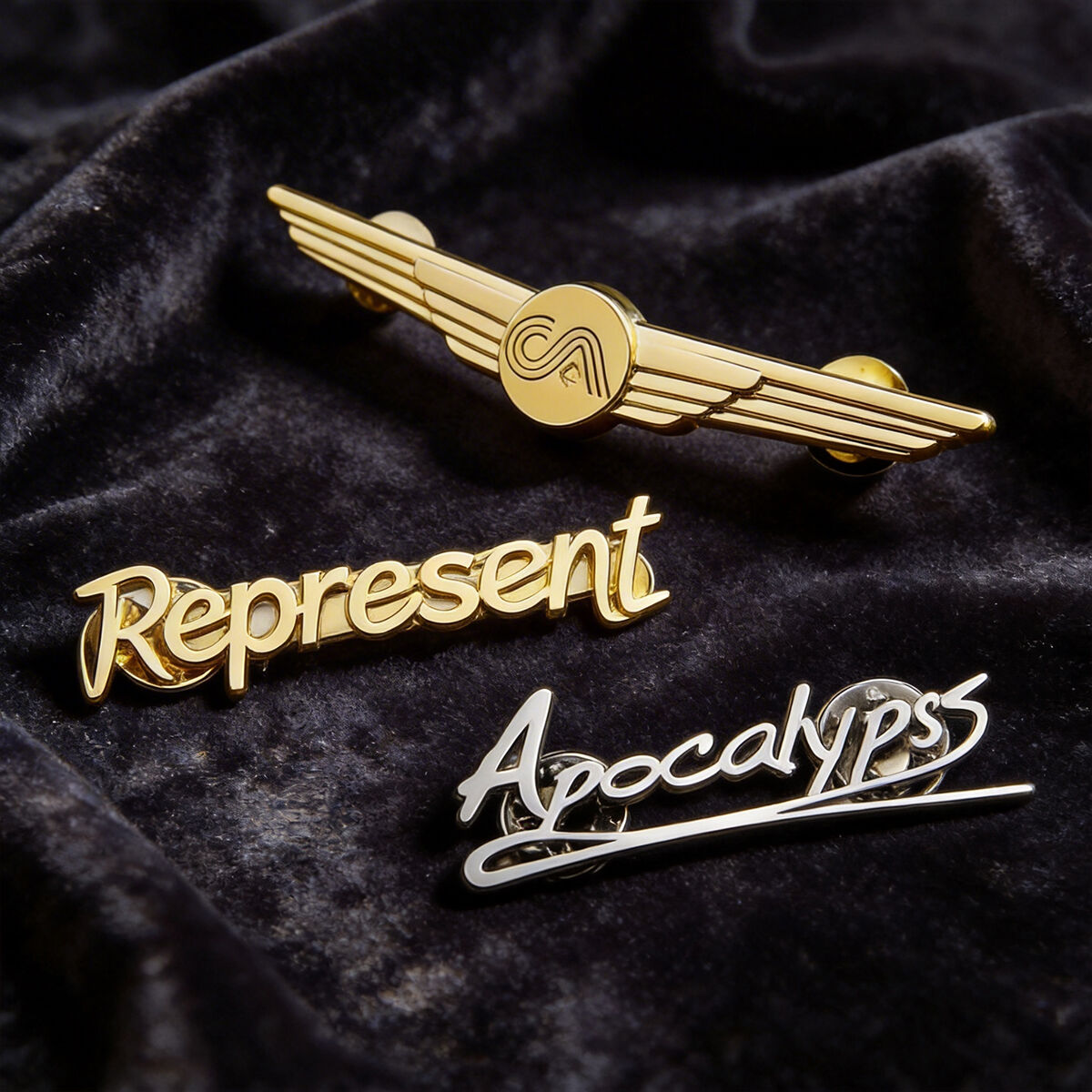
1. Die-Cast Metal Base Quality: The Foundation of Craftsmanship
The die-cast metal base is the core skeleton of an enamel pin, and its quality directly affects the pin’s sturdiness, dimensional accuracy, and overall texture—making it the first and most critical step in evaluating craftsmanship. For B2B buyers, start by verifying the material composition of the base: common options include zinc alloy, brass, and iron, each with distinct characteristics. Zinc alloy is widely used for its excellent die-casting fluidity, which enables precise replication of intricate designs, while brass offers superior corrosion resistance and a premium metallic luster, suitable for high-end custom orders. To assess quality practically, hold the pin under natural light at a 45-degree angle to check for surface defects such as sand holes, pores, or uneven thickness—these flaws indicate substandard die-casting technology or impure raw materials. Additionally, gently apply pressure to the edges of the base; a high-quality die-cast base will not bend, deform, or crack easily. You can also weigh several pins of the same specification to verify consistency: significant weight differences often signal uneven material filling during the die-casting process, which will compromise the pin’s structural stability and aesthetic uniformity in bulk orders.
2. Enamel Filling Craftsmanship: The Core of Visual Appeal
Enamel filling is the defining feature that distinguishes enamel pins from other metal accessories, and its craftsmanship directly impacts the product’s visual attractiveness and longevity—key factors for brand promotion and customer retention. When evaluating, first distinguish between soft enamel and hard enamel (cloisonné) filling, as their quality standards differ slightly. For soft enamel, run your fingertip across the pin’s surface: a textured feel with raised metal lines (separating different colors) is normal, but you should check that the enamel fully fills all recessed areas without gaps, bubbles, or overflow. Use a magnifying glass to inspect for tiny air pockets, which can lead to chipping, fading, or peeling over time. For hard enamel, the surface should be perfectly smooth and flat, with the enamel and metal edges at the same level (achieved through high-temperature baking and polishing); any unevenness or visible metal lines indicate substandard craftsmanship. Regardless of the type, compare the enamel color to your original design’s color swatch under both natural and artificial light to ensure no discoloration, fading, or color mixing—consistent color accuracy is critical for maintaining brand consistency in custom orders, such as employee badges or promotional gifts.
3. Die-Casting Precision and Detail Replication: The Embodiment of Professionalism
One of the primary advantages of die-cast enamel pins is their ability to replicate intricate designs and three-dimensional details, making precision evaluation a key differentiator for high-quality products. Begin by examining the pin’s design elements: text should be crisp, legible, and free of blurring or deformation, even for small font sizes (common in brand logos or commemorative inscriptions). Lines and patterns should be smooth and continuous, with no jagged edges, breaks, or distortion—these issues often stem from poor mold quality or imprecise die-casting pressure. For pins with 3D reliefs, sculptural details, or undercuts (a hallmark of die-casting), assess the depth and dimensionality: high-quality craftsmanship will create distinct layers with sharp transitions, while substandard products will have blunted, muddled details or uneven relief height. To ensure dimensional accuracy, measure the pin’s length, width, and thickness against your design specifications using a caliper; for B2B orders, an acceptable error margin should not exceed ±0.1mm, as larger discrepancies can compromise the pin’s fit for intended uses (e.g., matching with other brand accessories or fitting into custom packaging).
4. Surface Finishing and Plating Quality: Durability Meets Aesthetics
Surface finishing and plating not only enhance the visual appeal of die-cast enamel pins but also protect against wear, corrosion, and fading—critical considerations for products intended for long-term use or frequent wear (e.g., customer loyalty gifts or event souvenirs). When evaluating plating quality (common options include gold, silver, nickel, black nickel, and antique finishes), check for uniformity: the plating should cover the entire metal surface (including hard-to-reach corners and edges) without streaks, discoloration, or bare spots. Test plating adhesion by gently scraping the edge with a fingernail; a high-quality plating will not chip, flake, or peel easily, which is essential for maintaining the pin’s appearance over time. For polished finishes, the surface should have a smooth, mirror-like sheen without scratches, smudges, or dull spots; for matte or antique finishes, ensure consistency across the entire pin, with no uneven gloss or artificial-looking patina. Additionally, verify that the finishing process does not damage the enamel filling—look for signs of enamel chipping or color fading around plated edges, which indicates improper process sequencing (plating should be done before enamel filling for optimal results).
5. Edge Treatment and Attachment Security: The Mark of User-Centric Craftsmanship
While often overlooked, edge treatment and attachment security are critical indicators of craftsmanship, as they directly impact user experience and product functionality—key concerns for B2B buyers focused on customer satisfaction and brand reputation. Inspect the pin’s edges for smoothness and uniformity: there should be no burrs, sharp corners, or uneven trimming, which can cause discomfort when worn or damage clothing (a common complaint with low-quality pins). The edges should be rounded or neatly finished, reflecting careful post-casting processing. For attachment components (such as butterfly clutches, rubber backs, magnetic closures, or safety pins), test their sturdiness by pulling gently on the clasp; a reliable attachment should hold firmly without loosening, wobbling, or detaching from the pin’s base. Additionally, ensure that attachments are securely fastened with no gaps or exposed hardware, as loose components can lead to product loss and customer dissatisfaction. For bulk orders, sample-test a small number of pins by attaching and detaching the clasp repeatedly (10-15 times) to verify durability—this simple test can help you avoid costly returns or negative brand feedback.
FAQ: Common Questions About Evaluating Die-Cast Enamel Pin Craftsmanship
Q1: What is the key difference between die-cast enamel pins and die-struck enamel pins in terms of craftsmanship evaluation?
The core difference lies in the metal forming process: die-cast pins use molten metal injected into precision molds, making them ideal for complex 3D designs and undercuts, so evaluation focuses heavily on die-casting precision and 3D detail replication. Die-struck pins use high-pressure stamping on metal blanks, excelling in smooth surface finishes and sharp flat details, so evaluation prioritizes stamping uniformity and metal line crispness. For B2B buyers, die-cast pins are better suited for custom designs with intricate 3D elements, while die-struck pins are preferred for sleek, minimalist brand logos.
Q2: Can I evaluate enamel pin craftsmanship without professional equipment?
Yes—most key evaluations can be done with simple tools and visual/tactile inspections. Use a magnifying glass (5-10x) to check for enamel bubbles, small surface defects, and text clarity; a caliper (available at most hardware stores) to verify dimensional accuracy; and your fingertips to assess surface smoothness (for hard enamel), edge sharpness, and attachment sturdiness. Additionally, the “light test” (holding the pin under natural light) helps identify plating unevenness and enamel color discrepancies, while the “pressure test” (gently bending the base) checks metal sturdiness—no professional equipment is required for these practical assessments.
Q3: How does craftsmanship affect the cost and lead time of die-cast enamel pin orders?
Higher craftsmanship requires better raw materials (e.g., high-purity brass vs. low-grade zinc alloy), more precise molds, and stricter quality control (e.g., multiple baking/polishing steps for hard enamel), which typically increases costs by 20-40% compared to low-craftsmanship products. Lead time is also extended by 3-7 days for high-quality orders, as processes like precision die-casting, multiple enamel baking cycles, and rigorous inspection take more time. For B2B buyers, investing in higher craftsmanship reduces long-term costs by minimizing returns, improving customer retention, and enhancing brand perception—an important trade-off for promotional or brand-building products.
Q4: What is the most common craftsmanship defect to watch out for in bulk orders?
The most common defect is inconsistent enamel filling, including gaps, bubbles, and color discoloration, which often occurs due to rushed production or improper enamel mixing. Other frequent issues include uneven plating (bare spots or streaks), loose attachments, and imprecise die-casting (blurred details or dimensional errors). To mitigate this, request a pre-production sample from your supplier to evaluate craftsmanship before finalizing a bulk order, and specify quality control standards in your contract (e.g., maximum error margin, acceptable defect rate—ideally ≤1% for B2B orders).
Q5: How can I ensure consistent craftsmanship across multiple batches of die-cast enamel pins?
To ensure consistency, partner with a reputable supplier with a proven track record in B2B custom metal products (request case studies or customer references). Provide a detailed design specification sheet, including material type, color swatches, dimensional requirements, and surface finishing standards, and require the supplier to use the same mold (for repeat orders) and raw material batches. Additionally, conduct regular sample inspections for each batch, comparing them to the pre-production sample and original design—this ensures that craftsmanship standards are maintained, even as production scales.
Evaluating the craftsmanship of die-cast enamel pins is a systematic process that combines visual inspection, tactile assessment, and practical testing—focusing on the five core modules outlined above will help you make informed procurement decisions. For B2B buyers, high-quality die-cast enamel pins are an investment in brand equity: they convey professionalism, durability, and attention to detail, helping you stand out in a competitive market. By applying the actionable advice in this article, you can avoid the pitfalls of low-craftsmanship products, select partners that align with your quality standards, and leverage die-cast enamel pins as effective tools for brand promotion, customer engagement, and business growth.
Table of Contents
- 1. Die-Cast Metal Base Quality: The Foundation of Craftsmanship
- 2. Enamel Filling Craftsmanship: The Core of Visual Appeal
- 3. Die-Casting Precision and Detail Replication: The Embodiment of Professionalism
- 4. Surface Finishing and Plating Quality: Durability Meets Aesthetics
- 5. Edge Treatment and Attachment Security: The Mark of User-Centric Craftsmanship
-
FAQ: Common Questions About Evaluating Die-Cast Enamel Pin Craftsmanship
- Q1: What is the key difference between die-cast enamel pins and die-struck enamel pins in terms of craftsmanship evaluation?
- Q2: Can I evaluate enamel pin craftsmanship without professional equipment?
- Q3: How does craftsmanship affect the cost and lead time of die-cast enamel pin orders?
- Q4: What is the most common craftsmanship defect to watch out for in bulk orders?
- Q5: How can I ensure consistent craftsmanship across multiple batches of die-cast enamel pins?