 EN
EN


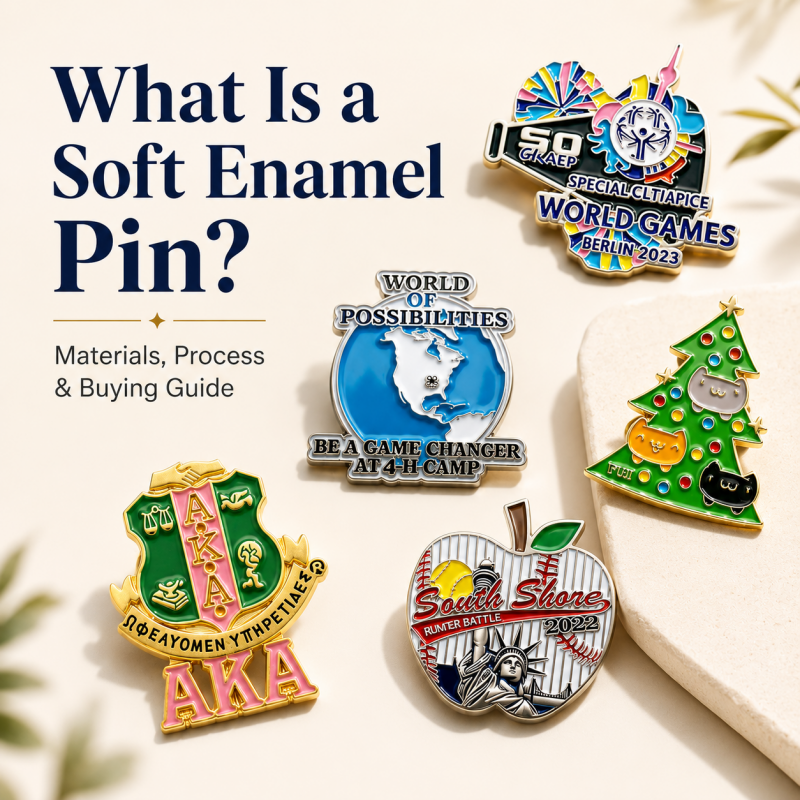
|
A soft enamel pin is a custom metal badge featuring raised metal lines and recessed color areas. It is widely used for brand promotion, retail merchandise, corporate gifts, school activities, clubs, and events. For business buyers, the three key points are how the pin is made, why it is commercially valuable, and how to prepare a clear order.
|
How Is a Soft Enamel Pin Made?The production of soft enamel pins begins with approved artwork. A mold is created, and the metal base is stamped or cast into the required shape. The surface is then polished and plated in finishes such as gold, silver, black nickel, or antique brass.
Colored enamel is filled into the recessed areas between the raised metal borders. Because the color sits slightly lower than the metal lines, the finished pin has a textured surface. After baking, the pin attachment is added, and the product is inspected and packed.
Clear artwork is important. Small text, narrow gaps, and thin metal lines may need to be adjusted before production. Vector files are usually the best choice because they allow the factory to control the shape, colors, and details more accurately.
|
Why Do Businesses Choose Soft Enamel Pins?Businesses choose custom enamel pins because they are attractive, customizable, and suitable for bulk production. They can be used as promotional giveaways, employee awards, event souvenirs, membership badges, fundraising products, or branded merchandise.
Soft enamel creates strong contrast between the metal borders and colored areas. Buyers can also choose different shapes, sizes, plating finishes, back stamps, and attachments. Special options may include glitter, glow-in-the-dark enamel, translucent colors, epoxy coating, or screen-printed details.
For ecommerce sellers, pins are easy to store, package, and ship. They can be sold individually, attached to branded backing cards, or included in gift sets. A clear theme and recognizable design can help the product appeal to a specific audience and improve its retail value.
|
How Should Businesses Prepare an Order?Before contacting an enamel pin manufacturer, buyers should confirm the size, quantity, plating, enamel colors, attachment, packaging, and delivery date. Pins between 25 mm and 35 mm are common, although more detailed artwork may require a larger size.
Popular attachments include butterfly clutches, rubber clutches, magnets, safety pins, and locking clutches. Packaging options may include individual poly bags, backing cards, velvet boxes, or custom gift boxes.
Always request a digital proof before production. Check the spelling, dimensions, color placement, plating finish, metal lines, and attachment position. Buyers should also confirm mold charges, unit prices, production time, shipping methods, and quality standards before approving the order.
|
ConclusionSoft enamel pins are a practical choice for branding, marketing, events, recognition, and retail sales. Their textured appearance, flexible design options, and manageable production costs make them suitable for many B2B projects. |
|
FAQs |
|
What Is the Difference Between Soft and Hard Enamel? |
|
Soft enamel has recessed colors and raised metal lines, creating a textured surface. Hard enamel is polished flat, giving the pin a smooth finish. |
|
What Is the Best Size for a Soft Enamel Pin? |
|
Most pins are between 25 mm and 35 mm. Larger sizes are better for complex artwork, while smaller sizes suit simple logos and giveaways. |
|
Can Soft Enamel Pins Include Special Effects? |
|
Yes. Common options include glitter, glow-in-the-dark colors, translucent enamel, epoxy coating, cutouts, and printed details. |
|
How Long Does Production Take? |
|
Production time depends on the quantity, design, plating, packaging, and factory schedule. Buyers should confirm the lead time before placing an order. |
