 EN
EN


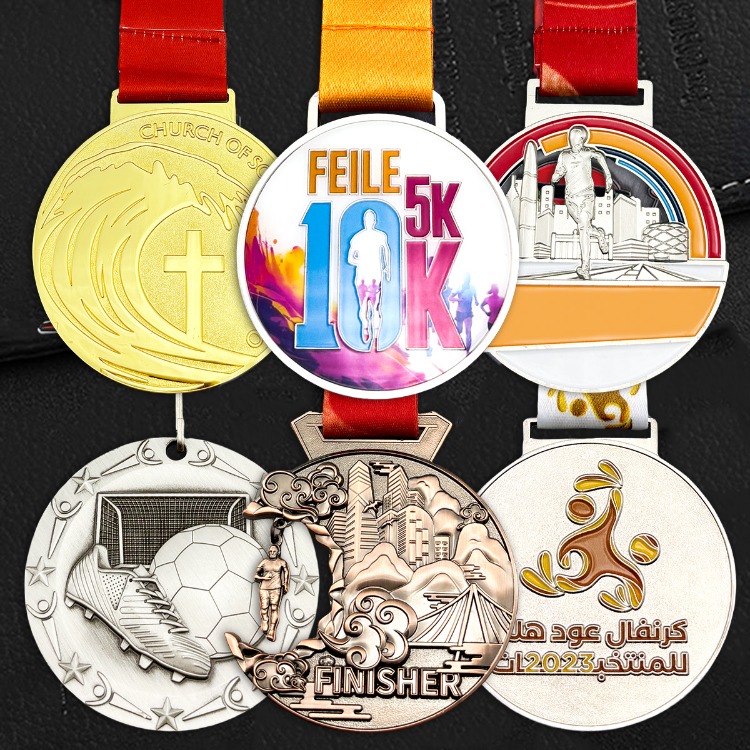
A sports medal's real job is memory. Long after the scores are forgotten, the award sits on a shelf — and the difference between a piece that gets stored away and one that gets displayed for years is decided by design. Shape, material, color, ribbon, engraving and presentation each carry part of the message: this event mattered, this achievement was real, this athlete was honored. For event organizers, understanding these elements turns an award line item into a tool that strengthens participant satisfaction and repeat attendance.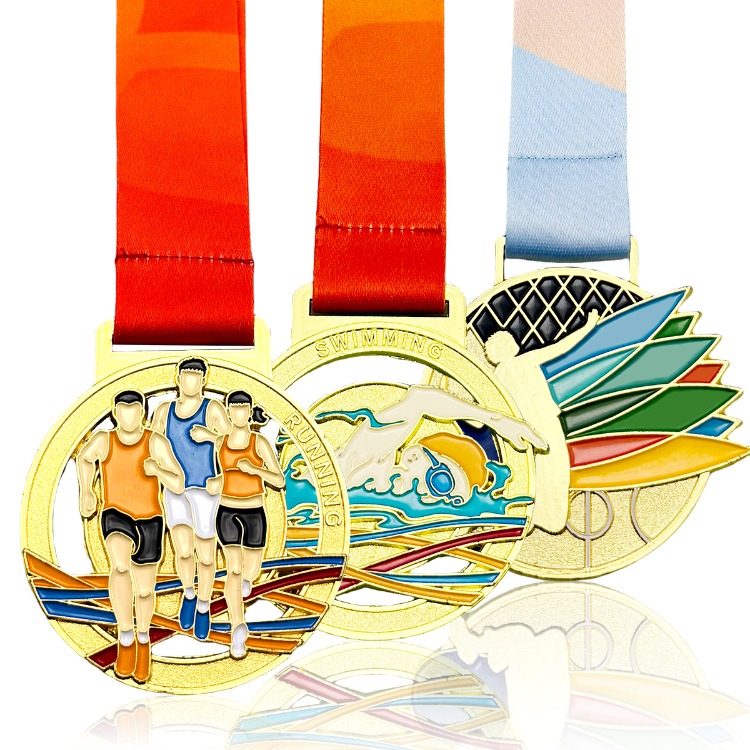
This guide breaks down the design decisions that create memorable awards — for organizers and procurement teams commissioning custom medal programs.
Foundation: Shape, Material and Weight
Shape That Says Something
The silhouette sets the first impression. Circular medals are familiar and timeless, and they remain the safe default — but distinctive outlines reflect the sport or event theme and create instant differentiation. Star forms for athletic meets, shields for team sports, or motifs tied to the discipline make the award recognizable at a glance and more likely to earn a permanent display spot. Non-traditional shapes signal that the event thought about the design, which is itself part of the perceived value.
Material and Weight as Quality Signals
Material governs both perceived value and longevity, and weight does the psychological work. Heavier pieces feel substantial in hand — tangible proof of the achievement — while feather-light awards feel disposable regardless of finish quality. The common options:
Zinc alloy with plating keeps unit costs manageable for events with hundreds of finishers; brass and bronze carry a heritage premium; stainless steel suits awards meant to last decades.
Color and Ribbons: Instant Visual Hierarchy
Plating Color by Tier
Tier colors do a job before anyone reads the engraving: gold rich and lustrous, silver bright and mirror-like, bronze warm and authentic — spectators recognize placement at a glance. Plating quality matters as much as color: dull finishes undercut the hierarchy regardless of the metal underneath.
Ribbons That Carry the Brand
Ribbons are the most underused branding surface in awards. Two schemes work, and the choice depends on event objectives:
- Tier scheme — a distinct ribbon color per placement (for example blue for first, red for second, white for third) supports instant recognition
- Brand scheme — event colors across all tiers strengthen identity and allow creative freedom
- Hybrid — tier color primary, brand color as accent or edge stripe
Production quality lifts the piece: wider medal ribbons in satin or grosgrain, subtle metallic threading and clean printing all photograph well — relevant when the ceremony ends up on social media.
Personalization and Narrative
Engraving That Names the Winner
Personalization is the strongest keepsake driver. Back-side engraving with the participant's name, event date and result makes the award uniquely theirs; front-side design with the event logo, category or achievement type carries the collective story. The cost trade-off deserves attention: individually naming hundreds of finishers adds per-unit cost, while batch text like "Finisher — 2026 City Marathon" keeps mass runs economical. Events that can afford individual engraving report measurably stronger emotional response — the name makes it personal.
One Visual Language Across Tiers
All tiers should read as one family. Organizers who invest in custom medals keep iconography, scale and design style consistent, differentiating placement through plating color and ribbon rather than disjointed artwork. A shared visual language — event theme, slogan, sport motif — treats every participant with dignity while preserving clear hierarchy, which matters for retention: athletes who feel honored come back.
Presentation and Display
The Unboxing and the Ceremony
Presentation multiplies the design work already done. Premium boxes with branded inserts, tissue wrapping and event information create an unboxing moment that extends the emotional experience past the podium. Ceremony context amplifies it further — timing, music and a moment of genuine recognition make the same award feel different from one handed over casually. For top tiers, boxed presentation is a small cost that converts an award into an occasion.
Built for the Shelf
Design for the place the medal will live. Pieces that work both hanging and standing on a shelf earn more prominent display; ribbon colors that complement typical interiors rather than clashing keep the award out on show instead of in a drawer. Every view renews the emotional reward and reinforces the athlete's identity as a competitor — the effect organizers want long after the event.
Buyer Checklist
- Artwork: vector logo files plus engraving text fields specified separately
- Material and plating spec per tier (gold / silver / bronze)
- Ribbon width, fabric, print and color scheme approved
- Personalization level decided: individual names or batch category text, with cost impact known
- Presentation packaging planned for top tiers
- Physical sample approved before mass production
- MOQ and lead time confirmed in writing
FAQ
How do ribbon colors influence the perceived value of a sports medal?
Ribbons create the first visual impression and communicate achievement tier to observers. Vibrant, coordinated colors and quality fabrics signal investment in the award experience, making recipients feel valued — and that impression influences how prominently the medal gets displayed afterward.
Which design elements matter most for participant satisfaction?
Personalization through engraving, a distinctive shape tied to the sport, and premium material choices have the strongest effect. Pairing event branding with individualized details makes participants feel both part of the collective celebration and personally honored, and presentation quality amplifies all of it.
Should ribbon colors match placement tiers or event branding?
Both work, depending on objectives. Tier-distinct colors support instant recognition of placement; event-branded colors strengthen identity and allow more creative freedom. Many organizers run a hybrid: primary colors for placement distinction with a brand-colored accent for maximum impact.