 EN
EN


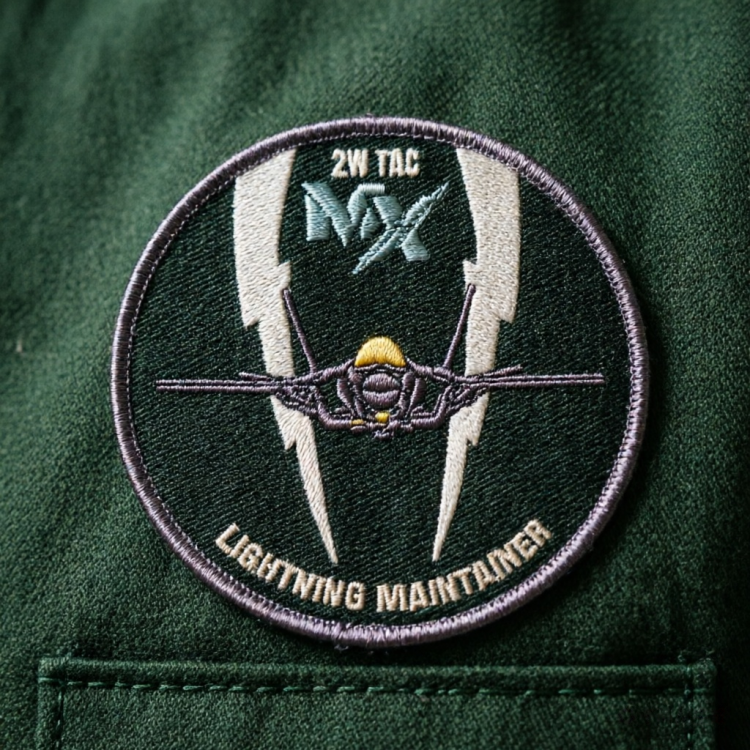
An embroidery patch only performs as well as the fabric it is built on. In real-world use, the base material must stand up to moisture, UV exposure, abrasion, and repeated washing or handling — conditions that quickly expose weak textile choices. Industrial and commercial buyers need fabrics that hold structural integrity after hundreds of wash cycles or continuous outdoor exposure. Textile selection is therefore a core engineering decision, not a minor detail: it separates premium patches from budget alternatives. Manufacturers, designers, and procurement teams who understand fabric performance can specify materials that match the use case.
Demand for high-durability patches keeps growing across uniforms, military insignia, outdoor gear, and branded merchandise — and the backing is where the engineering happens: everything above it sits on that one fabric.
Polyester Blends and Durability Performance
Why Polyester Dominates Patch Manufacturing
Polyester is the industry standard for embroidery patch backing, combining affordability with proven durability. Polyester-blend fabric resists shrinkage, holds color through washing, and gives the embroidery process stable stitch footing. Because the fibers barely absorb water, the moisture degradation that plagues natural fibers is largely avoided. That hydrophobicity lets a patch endure perspiration, rain, and humidity without loosening threads or breaking down the base.
Blend Ratios and Performance Specifications
Commercial patches typically use polyester-cotton blends at 65/35, 80/20, or 100% polyester, depending on durability requirements. Higher polyester share improves color fastness and environmental resistance; modest cotton content adds breathability for apparel. The 80/20 split balances durability and comfort — the default for uniforms and team apparel. Outdoor and tactical applications, where moisture resistance is paramount, go with 100% polyester for maximum weather and wash protection. Accelerated aging tests confirm whether a chosen blend will hold up in the field.
Fabric Comparison at a Glance
| Fabric | Composition | Moisture Resistance | Wash Durability | Best Use |
|---|---|---|---|---|
| 100% polyester | Pure PET fiber | Excellent | Excellent — hundreds of cycles | Tactical, outdoor, marine |
| 80/20 poly-cotton | 80% PET, 20% cotton | Good | Very good | Uniforms, team apparel |
| 65/35 poly-cotton | 65% PET, 35% cotton | Moderate | Good | Fashion patches, caps |
| Twill | Cotton or blend, diagonal weave | Moderate | Good | Jackets, workwear |
| Canvas | Dense heavy cotton/poly weave | Low–moderate | Very good; resists abrasion | Military insignia, safety gear |
| 100% cotton | Pure cotton | Poor | Poor — shrinks, fades | Indoor, low-stress decor |
Canvas and Twill Fabrics for Heavy-Duty Patches
Canvas Construction and Load-Bearing Capacity
Canvas is dense and tightly woven, giving exceptional structural support for designs with heavy thread coverage or dense stitch patterns. A patch built on canvas can carry intricate multi-color work without puckering or distortion, because the tight weave stops the backing from shifting under stitch tension. That makes it the default for military insignia, team logos, and industrial safety badges, where precision and durability are non-negotiable. The weight and thickness also guard against tearing and edge fraying. A canvas patch feels substantial in hand — tactile quality buyers read as premium.
Twill Advantages for Outdoor and Apparel Patches
Twill's diagonal rib weave sits between lightweight cotton and heavy canvas. It is durable yet flexible enough for comfortable wear on jackets, vests, and work uniforms. The diagonal structure spreads stress evenly across stitch points, reducing the risk of localized thread breakage from repeated flexing. Twill also resists pilling better than plain-weave cotton and keeps its appearance through extended use and washing. Many manufacturers pick it for the balance of cost, durability, and aesthetics.
Thread Quality and Fiber Compatibility
Polyester Thread on Cotton Backing
Patch durability depends not only on the backing but on how well the thread bonds to it, chemically and mechanically. Polyester thread on a cotton base can delaminate if tension is not controlled, because the two fibers absorb moisture and expand at different rates. Serious makers test thread-to-fabric compatibility so that expansion and contraction cycles do not loosen stitches or tear them free. Good adhesion keeps stitch definition perfect for years; poor compatibility shows as loose threads, fraying, and gaps between stitches.
Stabilization Techniques for Longevity
Professional makers also apply stabilizers that anchor the thread to the backing and prevent stitch movement during and after embroidery. A correctly stabilized patch will not pucker, shrink unevenly, or wrinkle once temporary stabilization is removed. Tear-away and permanent stabilizers suit different jobs — appliqué onto a garment or standalone sale. Proper stabilization resists environmental stress, keeps edges crisp, and preserves detail that would otherwise degrade. Wash-and-wear testing confirms the anchoring survives mechanical stress and chemical exposure.
FAQ
What is the best fabric for a frequently washed embroidery patch? Polyester-dominant blends — 80/20 poly-cotton or 100% polyester — are the right choice for frequent washing. Polyester resists moisture absorption, holds color, and prevents shrinkage that would distort the design. High polyester content keeps a patch looking right after hundreds of commercial laundry cycles, which is why it dominates uniforms and workwear.
Can a cotton patch be as durable as a polyester one? Pure cotton backing is inherently less durable: it absorbs moisture, shrinks unpredictably, and fades or molds in damp conditions. A cotton-polyester blend with reinforced backing and quality thread can still perform well indoors or under low stress. For maximum life, prioritize polyester content and professional stabilization over fabric type alone.
How does fabric weight affect durability? Heavier fabric gives a patch more structure to support thread tension and resist tearing or stretching. Canvas or heavy twill will outlast lightweight cotton at the edges, especially in high-wear settings like tactical gear. Lighter fabrics can still work with quality thread, proper stabilization, and stitch density within the fabric's load capacity. The right weight depends on the use case, environmental exposure, and customer expectations.