 EN
EN


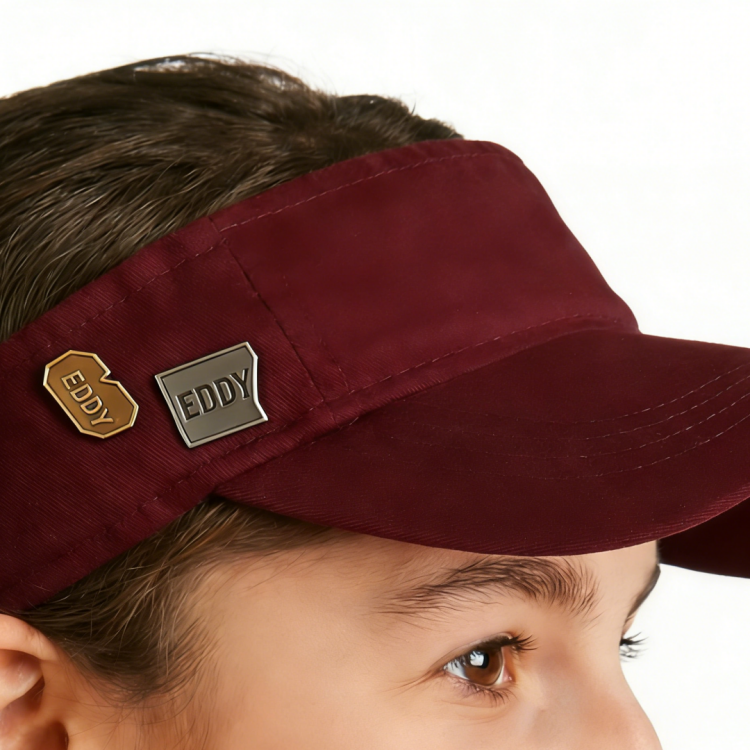
The finishing process has a major influence on the appearance, durability, and perceived value of hat pins. A well-chosen finish can make a design look cleaner, protect the surface from wear, and create a consistent appearance across large production runs.
For manufacturers, promotional-product companies, retailers, and other B2B buyers, finishing should be considered during the design stage rather than added as a final production detail. The right choice depends on the artwork, target price, expected use, and desired visual effect.
Which Finishing Processes Are Commonly Used?
Several finishing methods are commonly used to improve both appearance and surface performance.
| Finishing Process | Main Effect | Typical Application |
|---|---|---|
| Polishing | Creates a smooth, bright surface | Premium and reflective designs |
| Electroplating | Adds metallic color and protection | Gold, silver, black, and antique effects |
| Enamel | Adds color and visual contrast | Logos, patterns, and detailed designs |
| Oxidation | Creates a darker, aged appearance | Vintage and antique-style products |
| Sandblasting | Produces a matte texture | Modern and understated designs |
| Protective Coating | Helps resist wear and oxidation | Products requiring longer service life |
There is no single best finishing process for every product. The finish should support the design instead of simply making the surface as bright or decorative as possible.

How Does Polishing Improve Surface Quality?
Polishing removes minor surface irregularities and creates a smoother, more reflective metal surface. It is especially useful when the design relies on clean metallic areas or polished borders.
A polished surface can make simple designs appear more refined, but it may also show scratches and fingerprints more easily. For products that will be handled frequently, buyers should consider whether a highly reflective finish is practical.
Polishing is often combined with electroplating. The base surface is prepared first, and the plating process then adds the desired metallic appearance.
When Is Electroplating a Better Choice?
Electroplating changes the surface color while also improving protection against oxidation and everyday wear. Common options include gold, silver, nickel, black, and antique finishes.
The selected plating should match the overall design. Bright gold can create a more premium appearance, while darker or antique plating can add depth and make recessed details more visible.
For B2B orders, buyers should confirm the plating specification in advance. Terms such as “gold finish” may refer to different colors, tones, or plating standards, so an approved reference sample is useful for maintaining consistency during mass production.
How Do Enamel Finishes Change the Design?
Enamel is mainly used to introduce color and separate different areas of a design. It can make logos, symbols, lettering, and graphic elements easier to recognize.
Two common options are hard enamel and soft enamel.
| Feature | Hard Enamel | Soft Enamel |
|---|---|---|
| Surface | Smooth and level | Raised and textured |
| Appearance | Clean and polished | More dimensional |
| Detail | Good for refined designs | Good for stronger visual contrast |
| Cost | Generally higher | Generally more economical |
| Typical Use | Premium products | Promotional and general-purpose products |
The choice depends on the desired appearance and budget. Hard enamel is often suitable for premium products, while soft enamel can provide a more textured appearance at a lower cost.
Can Oxidation Create a Premium Antique Effect?
Oxidation can darken selected areas of the metal and emphasize recessed details. It is often used to create an antique or vintage appearance rather than a bright, modern finish.
This technique works particularly well with detailed designs because the darker areas create stronger contrast between raised and recessed sections.
However, the final appearance depends on the base metal, oxidation treatment, polishing, and protective coating. Buyers should therefore approve a physical sample when color consistency is important.
What Should B2B Buyers Specify Before Production?
A clear finishing specification can prevent misunderstandings between buyers and manufacturers. Before mass production, procurement teams should confirm:
Base material: Specify the metal used for the product.
Plating color: Define the required metallic tone and finish.
Surface effect: State whether the surface should be polished, matte, textured, or antique.
Enamel type: Confirm whether hard or soft enamel is required.
Protective treatment: Ask whether additional coating is needed for the intended environment.
Reference sample: Use an approved sample for appearance and color comparison.
Quality tolerance: Define acceptable differences between production batches.
Packaging: Confirm whether individual protection is required to prevent scratches during transportation.
For hat pins used in promotional campaigns, retail packaging, or collectible products, finishing requirements should also consider how the product will be displayed and handled after production.
How Does Finishing Affect Collection and Display?
Finishing can significantly influence how a product looks when displayed as part of a collection. Bright polished surfaces can attract attention under strong lighting, while matte and antique finishes often create a more subdued appearance.
For collectible products, consistency is especially important. Small differences in plating tone, enamel color, or surface texture can become noticeable when several designs are displayed together.
Protective packaging can also help preserve the finish. Individual bags, compartments, or other separation methods may reduce scratching and surface damage during shipping and storage.
What Finishing Specifications Matter Most for B2B Orders?
The most important specifications depend on the intended application, but buyers should generally pay attention to:
Metal type and thickness
Plating color and surface effect
Polishing requirements
Enamel type and color matching
Oxidation or antique treatment
Protective coating
Reference samples
Production tolerances
Packaging and shipping protection
A clear specification sheet makes it easier for manufacturers to reproduce the approved appearance consistently across large orders.
FAQ
Which finishing process is the most durable?
Durability depends on the base material, surface preparation, plating, coating, and intended use. A properly applied electroplated and protected surface can provide good resistance to everyday wear.
Is hard enamel better than soft enamel?
Neither is universally better. Hard enamel provides a smooth, polished surface, while soft enamel creates a raised texture and can be more cost-effective for promotional products.
Can the same design use different finishes?
Yes. Different areas can use contrasting finishes to create visual depth. For example, polished metal can be combined with antique areas or colored enamel.
Should B2B buyers request samples?
Yes. A physical sample is strongly recommended when appearance, color, plating tone, or surface texture is important. It provides a reliable reference for mass production.
Conclusion
Finishing affects far more than the visual appearance of a product. Polishing, electroplating, enamel, oxidation, sandblasting, and protective coatings each create different results in terms of appearance, durability, and cost.
For B2B buyers, the best approach is to define the desired finish before production, approve a physical reference when necessary, and make sure the selected treatment matches the product's intended use. With clear specifications and proper quality control, hat pins can achieve a consistent appearance, better surface protection, and stronger long-term value.
Table of Contents
- Which Finishing Processes Are Commonly Used?
- How Does Polishing Improve Surface Quality?
- When Is Electroplating a Better Choice?
- How Do Enamel Finishes Change the Design?
- Can Oxidation Create a Premium Antique Effect?
- What Should B2B Buyers Specify Before Production?
- How Does Finishing Affect Collection and Display?
- What Finishing Specifications Matter Most for B2B Orders?
- FAQ
- Conclusion