 EN
EN


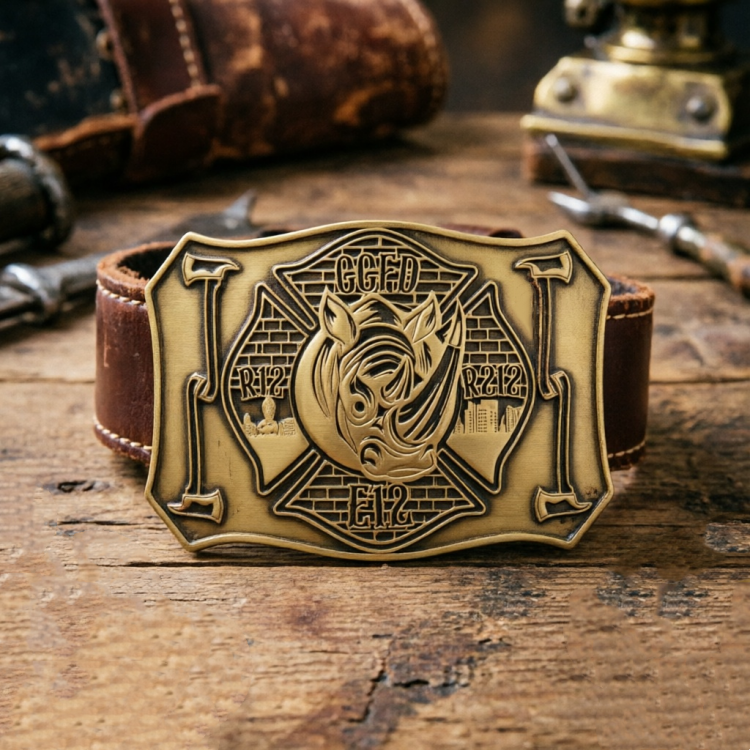
Belt buckles do double duty as fasteners and style statements, but their real worth is set by the materials they are made from. Daily wear, environmental stress, and repeated mechanical use take a toll on even the best-looking hardware, so composition and finish matter more than looks. Choosing the right alloy or composite directly affects corrosion resistance, service life, and satisfaction. For manufacturers, retailers, and procurement teams, understanding these trade-offs separates a product lasting years from one failing within months.
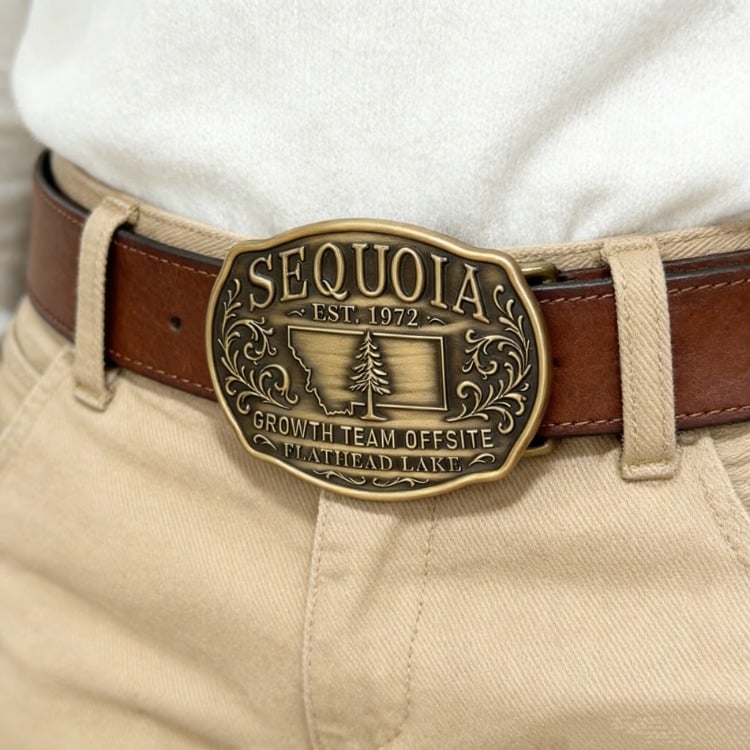
The buckle market keeps expanding as buyers demand durable, refined accessories. Premium products now rely on engineered materials and surface technologies traditional designs cannot match — a shift driven by demand for sustainable goods that justify higher price points through proven performance.
Metal Alloys: The Backbone of Durable Buckles
Stainless Steel
Stainless steel remains the industry standard for high-performance belt buckles, thanks to corrosion resistance and a strong strength-to-weight ratio. The chromium forms a passive oxide layer that shields the metal from rust, making it ideal for humid, marine, and outdoor use. Grades 304 and 316 are the usual choices: 316 adds molybdenum, improving resistance to chlorides and aggressive chemicals. Either grade keeps its polish and structural integrity for years — provided the supplier certifies the actual alloy grade rather than a cheaper look-alike.
Brass and Zinc Alloys
Brass and zinc alloys deliver warm aesthetics and distinctive color at reasonable cost for moderate use. Brass develops a natural patina over time, an aged look that appeals to consumers chasing vintage character — but it tarnishes without a protective coating, making plating or lacquer a maintenance-critical decision. Zinc alloys offer an affordable entry point and adequate strength for fashion-led designs, though they oxidize quickly in moisture.
Material Comparison at a Glance
| Material | Key Properties | Corrosion Resistance | Relative Cost | Typical Application |
|---|---|---|---|---|
| 304 stainless steel | High strength, good formability | Good (indoor/outdoor) | Medium | Everyday casual wear, workwear |
| 316 stainless steel | Superior strength + molybdenum | Excellent (marine, chloride) | High | Marine, outdoor, industrial |
| Brass | Warm tone, develops patina | Moderate (needs coating) | Medium-high | Fashion, heritage-style products |
| Zinc alloy | Low cost, easy die-casting | Low to moderate (needs plating) | Low | Fashion buckles, budget lines |
| Titanium / Ti composite | Extreme strength, lightweight | Excellent | Very high | Tactical, aerospace, premium |
| Carbon-fiber composite | Highest strength-to-weight, chemical tolerance | Excellent | Very high | Tactical gear, automotive, specialty |
Leather and Composites: Beyond Metal Alone
Premium Leather Integration
The leather strap works with the metal closure, creating a composite that distributes stress better than metal alone. Full-grain leather supplies natural flex and tensile strength that prevent sudden failure under tension or repeated bending, while vegetable-tanned hide ages gracefully and keeps its structure in ways synthetics cannot. Pairing a stable strap with a well-made buckle extends product life beyond either material's ceiling.
Composite and Engineered Materials
Modern designs increasingly turn to composites and engineered polymers, cutting weight while adding impact resistance and chemical tolerance. Carbon-fiber-reinforced polymers bring exceptional strength-to-weight ratios to tactical gear, automotive, and industrial applications. Titanium composites deliver near-unbeatable durability for extreme environments, though pricing limits them to high-end segments.
Surface Treatments: Protecting the Investment
Electroplating and PVD
Coatings extend service life by blocking the base-metal–environment contact that drives corrosion. Electroplating deposits protective layers such as nickel (corrosion resistance) or gold (luxury finish with tarnish prevention). PVD (physical vapor deposition) produces ultra-thin, extremely hard coatings — typically 1–5 µm at around 2,300 HV — boosting wear resistance without altering mechanical dimensions, key when tolerances matter.
Powder Coating and Enamel Finishes
Powder coating and enamel finishes offer economical protection for moderate-use consumer markets. Powder-coated surfaces resist scratching better than conventional paint and offer unlimited color options. Two-part epoxy and polyurethane systems resist salt spray, alkaline exposure, and industrial atmospheres. The right finish keeps hardware looking new through normal wear while preventing corrosion that would compromise reliability and appearance.
Selecting the Ideal Material Combination
Match the material to the use case rather than defaulting to the priciest option. Selection checklist:
- Environment: humid, marine, or chemical exposure calls for 316-grade steel plus a protective coating.
- Use frequency: high-use items justify premium alloys; occasional wear can accept zinc alloy or plated steel.
- Aesthetics: fashion lines may legitimately prioritize the look of brass or titanium despite durability trade-offs.
- Budget: set the price point first, then pick the highest-performing material that fits.
Industrial and tactical applications benefit from composites and impact-resistant alloys, preventing both over-specification and under-protection.
Cost follows the same logic. Stainless steel commands a premium but pays for itself through extended wear and fewer replacements. Zinc alloy keeps entry prices low for consumers accepting shorter lifecycles. Increasingly, informed buyers recognize that better materials mean better long-term value, which is why quality maps directly to price positioning.
FAQ
Which material lasts longest in belt buckles? 316-grade stainless steel is the optimal choice for maximum durability, especially with protective coatings and a quality leather strap; it can last decades of regular use. Titanium and carbon-fiber composites outperform it in extreme applications, but cost limits them to specialized segments.
Do protective coatings really extend buckle lifespan? Yes. PVD and electroplating add microscopic barrier layers that prevent rust and tarnishing — critical for hardware exposed to moisture, salt spray, or chemicals, where uncoated metal deteriorates rapidly. Proper coating selection lets the product outlast what base materials alone could achieve.
Does leather affect overall durability? Significantly. A premium strap distributes stress better than metal-only designs, and full-grain or vegetable-tanned leather adds flex and resilience that prevent sudden failure under tension. Integration strategy matters as much as component selection for longevity.