 EN


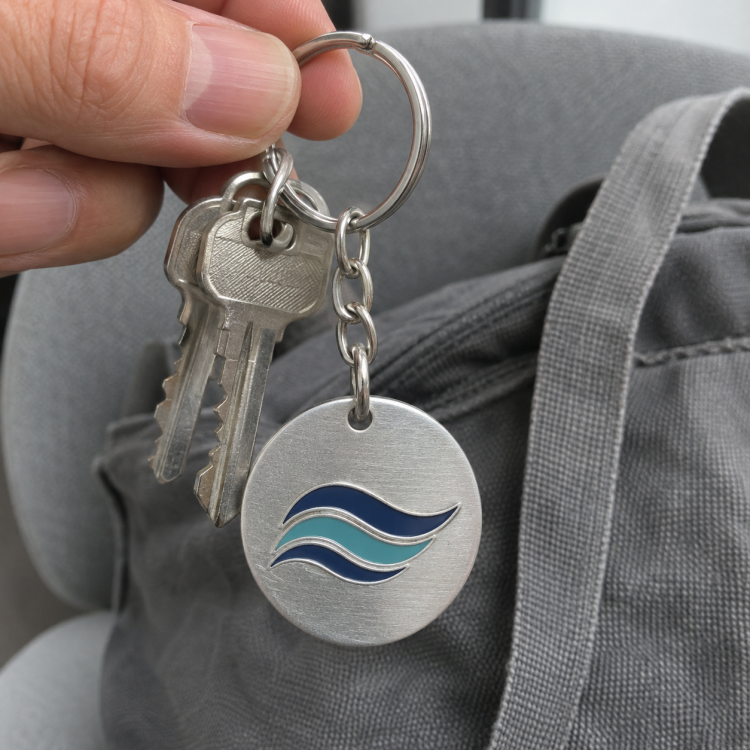
Custom keychain designs are becoming more popular because organizations can combine everyday usefulness with a clear visual identity. The item is small, easy to distribute, and adaptable to different audiences, from employees and event guests to retail customers. It can work as a key organizer, a reminder of a shared experience, or one of many personalized gifts that feels more considered than a generic giveaway.
The appeal crosses industries because the object is practical without requiring a particular setting or skill to use. A thoughtful design can suit a workplace welcome kit, a conference, a customer appreciation program, or a product launch. For people who value everyday carry, the right shape and finish can make the item useful daily; for organizations, customization gives that utility a recognizable purpose.
Everyday Usefulness Makes the Design Relevant
Practical Form Earns a Place in Daily Routines
A useful item is more likely to stay in circulation than a giveaway with no clear role. A keychain keeps keys together, makes them easier to identify, and can serve as a compact organizer for home, office, or vehicle access. When the profile is designed for daily carry, details such as a smooth edge, manageable weight, and secure attachment matter. These choices help a custom piece feel considered rather than merely decorative, while still leaving room for a distinctive shape, emblem, or color treatment.
Design Details Connect Function With Identity
Customization lets a business connect a practical object to its work, event, or community. A small emblem, date, symbol, or short message can make the piece feel relevant to the recipient instead of interchangeable. The organizer function remains central, so visual details should not make the item awkward to carry or difficult to use. For audiences interested in everyday carry, restrained proportions and dependable hardware can support daily use. A design built around these priorities can communicate identity without competing with its basic purpose.
Industry Application Matrix: Matching Format to Program
The same keychain shape does not serve every industry equally well. The table below maps common B2B programs to the format, features, and specifications that usually perform best, so buyers can shortlist options before requesting samples.
| Industry / Program | Typical Audience | Recommended Format | Key Features to Specify | Success Metric |
|---|---|---|---|---|
| Corporate onboarding | New employees | Metal organizer with labeled rings | 2–3 detachable rings, logo engraving, secure clasp | Retention in daily use after 90 days |
| Trade show / conference | Visitors and prospects | Lightweight aluminum or acrylic | Low unit weight, high-contrast print, bulk-pack friendly | Carry-through rate after the event |
| Hospitality / travel | Guests, members | Brass or leather tag | Destination motif, debossed logo, durable finish | Guest keepsake and referral recall |
| Property / facility management | Staff, residents | Zinc alloy with color-coded rings | Color-coded sets, facility engraving, load-rated hardware | Reduced key mix-ups at access points |
| Retail / product launch | Customers | Die-cast shape tied to product | Custom silhouette, enamel fill, branded packaging | Repeat purchase or social sharing |
| Recognition / milestone | Long-service staff | Stainless steel or brass | Laser engraving, years-of-service detail, presentation box | Perceived value in internal survey |
Practical takeaway: the format should follow the audience and the moment of handoff. Lightweight options suit high-volume events where carry weight matters; metal organizers with coded rings suit facilities where identification is the real problem. Decide the success metric before choosing the material, not after.
Customization Creates a Stronger Connection
Industry Context Shapes the Message
Different organizations can use the same format for different reasons. A property team may want a practical organizer for staff or residents, while a hospitality group may choose a design that recalls a destination or service moment. At a trade event, a branded piece can extend the experience after visitors leave, especially when the design reflects the subject of the conversation. The best concept starts with the audience and intended use, not simply a logo placed on a blank surface.
Personal Touches Make Distribution Feel Intentional
A custom piece feels more purposeful when its design reflects why it is being given. Teams can use it to recognize milestones, welcome new employees, or mark participation in a project, with a detail that makes the occasion legible. An organizer format adds practical value to that gesture, while a design made for daily carry stays connected to regular routines. The form, finish, and message should work together; an intricate graphic is not helpful if it obscures the identity or makes the piece uncomfortable to handle.
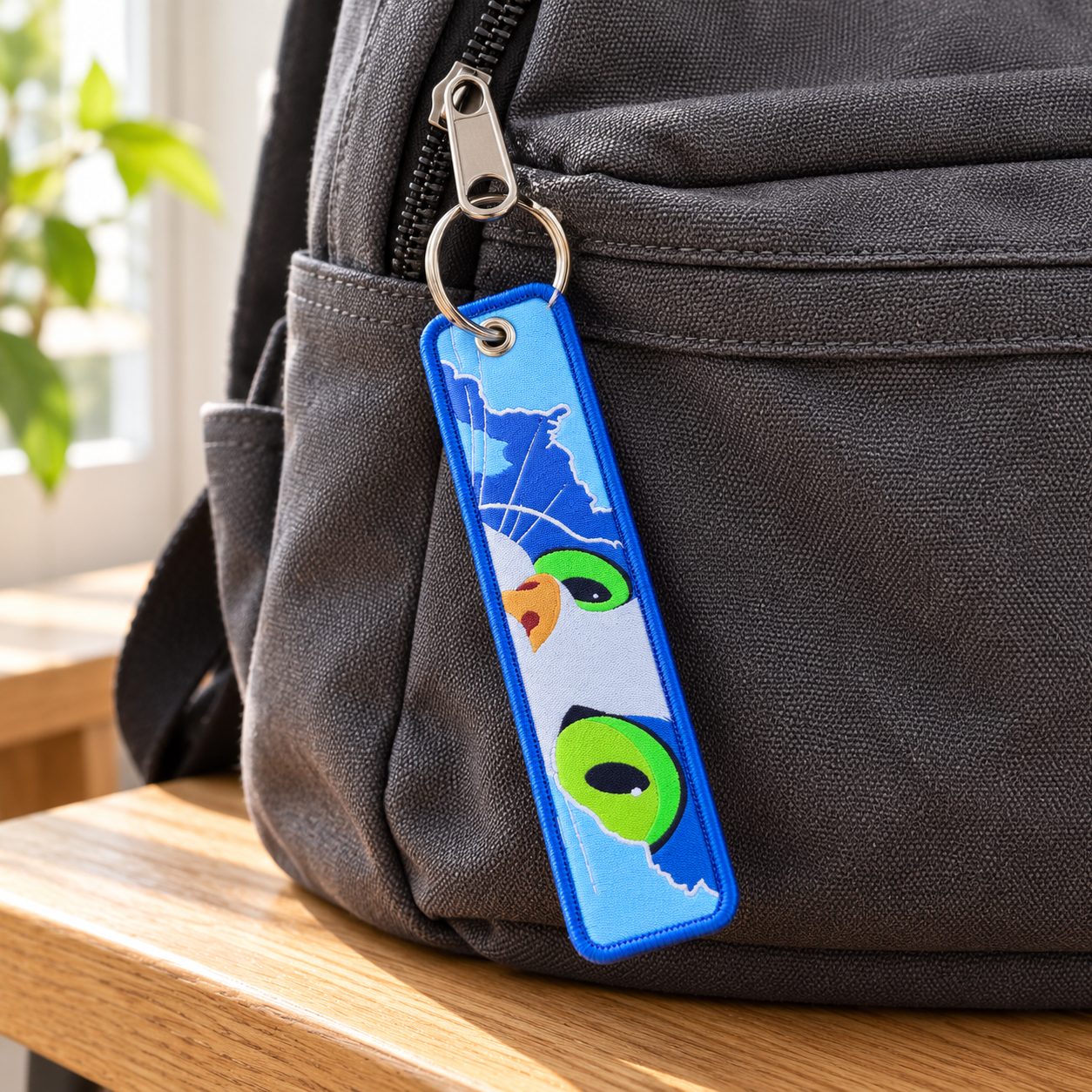
Thoughtful Choices Support Better Outcomes
Match Materials and Features to the Use Case
Before finalizing a design, clarify how recipients are expected to use it and what conditions it may encounter. An organizer intended for a small set of keys may need a different profile from one distributed to a large workforce. Consider how the attachment will be handled, whether the surface can show the chosen artwork clearly, and whether the overall shape suits daily carry. These practical checks help teams avoid features that look appealing in a mockup but add little value in use.
Plan Production Around the Recipient Experience
Production decisions influence how consistent and useful the finished item feels. Confirm artwork, colors, dimensions, attachment details, and packaging before approving a run, and review a representative sample when the project allows. These steps matter because small differences can affect how the message or emblem appears. If the item is intended for daily carry, check that edges and fittings feel appropriate for repeated handling. Clear specifications help procurement, design, and communications teams agree on what success looks like before distribution begins.
FAQ
Why are custom keychains useful for business programs?
They combine a practical organizer function with space for a relevant identity or message. That makes them suitable for events, employee recognition, and customer programs, while personalization can help mark a specific occasion. A compact design may also suit daily carry, keeping the item connected to everyday use.
What should teams consider when designing a custom keychain?
Start with the recipient, purpose, and likely use. Decide whether the organizer needs a particular attachment or shape, then check artwork legibility, handling, and production specifications. A clear connection to the occasion usually makes the design feel more intentional than adding decoration without a purpose.
Does a custom design need to prioritize appearance or function?
It should support both, with function setting practical limits on the design. A piece that works as an organizer and suits daily carry is more likely to remain useful, while considered personalization gives it context. The right balance depends on the audience and the reason the item is being distributed.