 EN


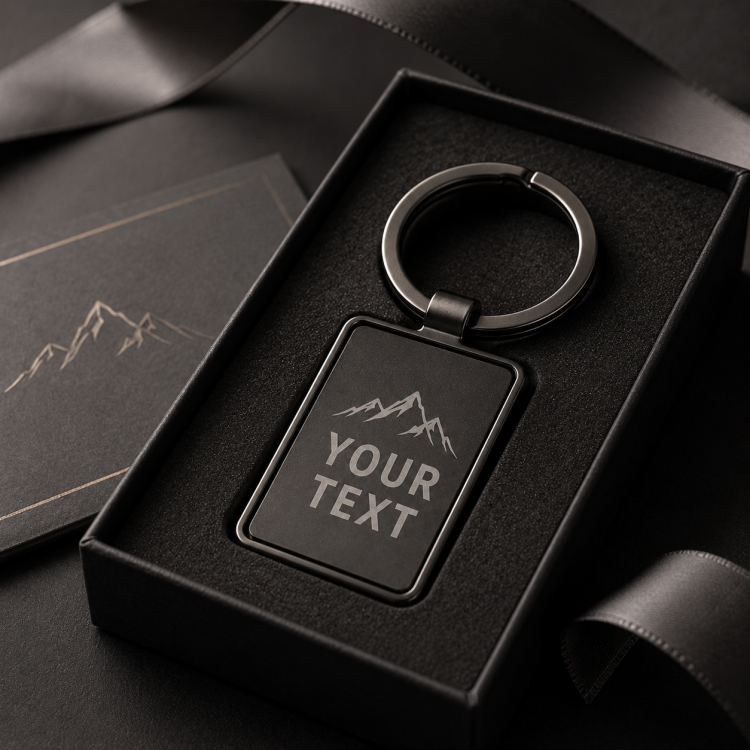
Material selection is essential to high-quality keychain manufacturing because it determines how a product feels, wears, looks, and performs in daily use. The item may be compact, but its metal, coating, and attachments affect durability and customer satisfaction. The same choices influence a key organizer, promotional gifts, and bag charm accessories.
The right material is not simply the strongest option available. It must suit the design, intended use, production process, and budget, while supporting reliable finishing and assembly. For custom keychains, selecting materials early helps teams prevent avoidable defects and make quality consistent from sample to finished order.
How Material Choices Shape Product Quality
Durability Under Everyday Handling
A keychain is repeatedly carried, pulled, dropped, and handled alongside keys or bags. Material strength and thickness therefore affect whether a design bends, cracks, or develops sharp edges. An organizer needs a practical balance: sturdy enough for routine use, but not so heavy that it becomes uncomfortable to carry.
The same assessment matters for bag charms, which may swing against zippers, hardware, and other objects. A resilient base material can help the item retain its shape, while a suitable ring or clasp reduces the risk of separation. For branded gifts, durability also protects the value of a name, logo, or commemorative design.
Appearance, Detail, and Finish
Material influences which shapes, edges, textures, and decorative details can be made cleanly. A metal body can support crisp contours and a polished or textured surface, while the chosen finish affects color consistency and the way light reflects from the design. An organizer may call for a restrained finish that hides handling marks.
For personalized keychains, surface suitability is especially important because fine lettering and small symbols need clear definition. Teams should review how the base material interacts with plating, printing, engraving, or enamel before approving artwork. Bag charms may use brighter colors or layered details, but the finish still needs to complement the shape rather than obscure it.
Product Type vs. Material: A Specification Matrix
Generic "premium material" claims do not help procurement teams. The table below maps three common product types to the material properties and specification points that actually determine whether the finished item meets its brief.
Practical takeaway: the product type should drive the material and finish, not the other way around. Define the load, the viewing distance, and the number of contact points before comparing quotes, because those three factors explain most durability and legibility complaints.
How to Match Materials to Design and Use
Start With the Use Case
Define who will carry the product, what it will attach to, and how often it will be handled. An organizer used every day has different priorities from a decorative keepsake, even if both share a compact format. Consider weight, expected contact, exposure to moisture, and the amount of detail before selecting a material.
Bag charms often need a visually distinctive surface and dependable attachment hardware because they are displayed and moved frequently. A piece designed for a promotional event may prioritize clear branding and repeatable production. Personalized items can require an additional review of whether the selected surface can reproduce each name or message legibly.
A useful specification connects material to a real requirement instead of relying on broad labels such as premium or durable. For an organizer, teams can identify acceptable weight, edge feel, and finish. For personalized items, they can define the smallest readable detail. For charms, they can confirm attachment style and visual balance.
Check Manufacturing and Finishing Compatibility
Material selection must match the intended forming, cutting, casting, or stamping method. A design with narrow openings or delicate lines may need adjustments to avoid weak sections or blurred details. Discussing these limits early helps a custom keychain move from artwork to a manufacturable specification without sacrificing the core appearance.
Finishing adds another decision point. Coating, plating, printing, and engraving each interact differently with a surface, so sample review should check color, edge coverage, and detail clarity. For bag charms, inspect areas around holes and attachment points. For personalized items, verify lettering and image placement on a representative sample.
The production team should also consider how material variation may affect repeat orders. An organizer made in several finishes needs clear requirements for dimensions, color, and surface appearance. When personalization includes different names or messages, the decoration process should be reviewed for legibility across the full design range, not just one sample.
Quality Control and Business Implications
Set Practical Inspection Criteria
A material decision becomes useful when it can be checked consistently. Define inspection points for surface defects, sharp edges, color, dimensions, and hardware attachment. A sample should be examined as a finished assembly, since an attractive body cannot compensate for a loose ring or poorly aligned decoration.
For charms, inspect connection points and confirm that moving parts do not interfere with the design. For an organizer, review edges and overall handling comfort. Personalized items require checks for spelling, placement, and contrast, because small personalization errors can make an otherwise well-made item unsuitable for delivery.
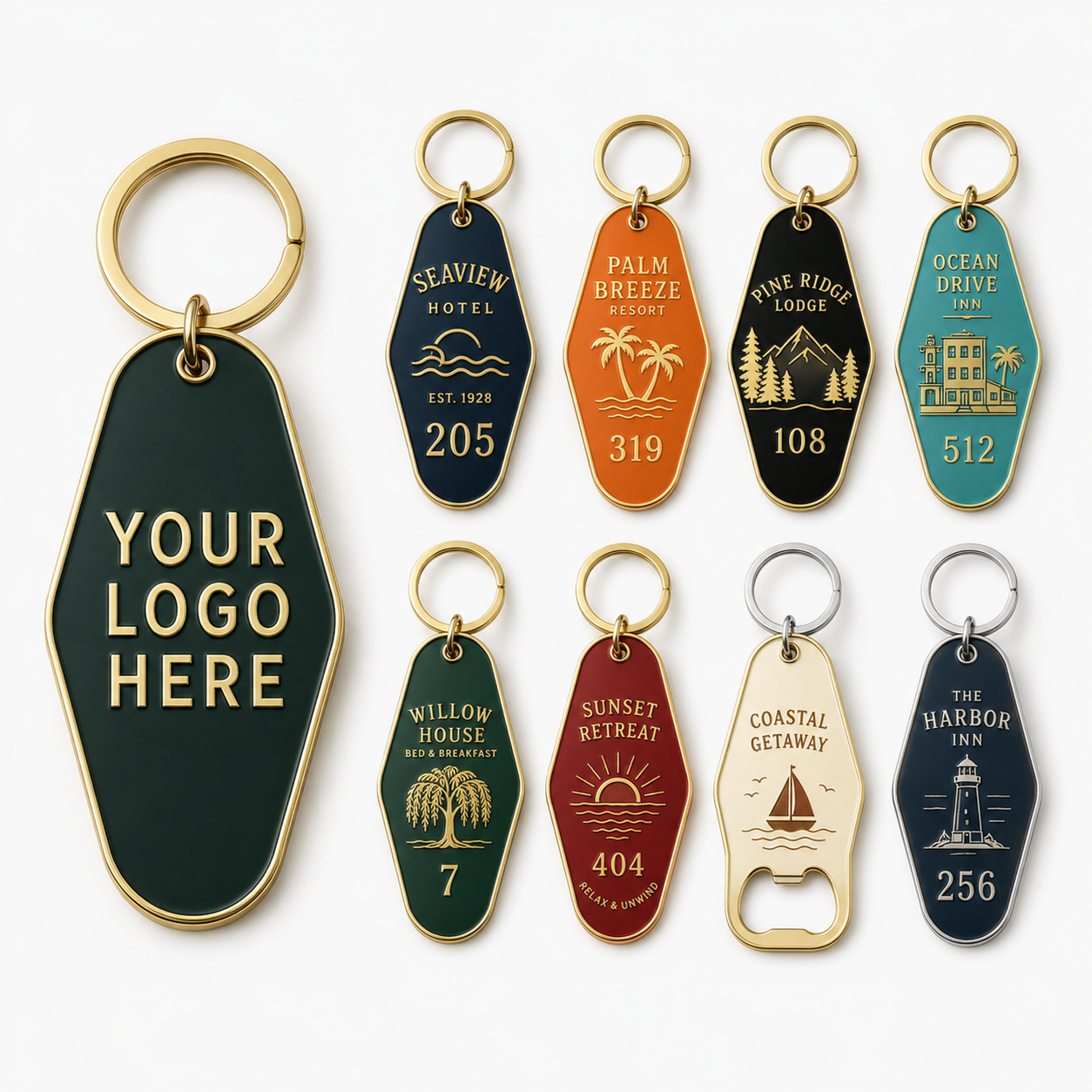
Sampling should reflect the final material and finish rather than a visually similar substitute. Record approved color references, dimensions, attachment details, and decoration positions so production has a clear standard. This process supports consistent manufacturing and gives teams a practical basis for reviewing later batches.
Balance Cost With Lifecycle Needs
Material cost is only one part of the decision. A lower-cost option may require a simpler design or finish, while a more suitable material can reduce the likelihood of visible wear or assembly problems. Buyers should compare the complete specification against intended use, order requirements, and the expected role of the item.
This balance is important when a product serves both a functional and decorative purpose. An organizer should remain practical to carry, while charms need to preserve their visual appeal. For branded gifts, dependable surface quality and accurate decoration help the finished item feel intentional. Choose based on the product brief, not material labels alone.
When teams need to evaluate a metal design, they can review the format alongside the intended artwork, attachment, and finishing plan. The review should include a physical sample where feasible and record any changes before production. A documented choice gives design, purchasing, and quality teams a shared reference.
FAQ
Why does material affect keychain quality?
Material affects strength, weight, surface finish, detail reproduction, and compatibility with attachments. Those factors determine whether an item suits daily use or functions better as a keepsake. Reviewing the whole assembly, including its ring or clasp, helps teams assess quality in realistic conditions.
Which material considerations matter for a key organizer?
Consider carry weight, edge comfort, durability, finish, and how the item will attach to keys. It should fit its intended use without unnecessary bulk. Confirm that its material and finishing method can also deliver the required appearance and repeatable production quality.
How should teams choose materials for personalized gifts?
Start with the design and the recipient's likely use, then confirm that the surface supports clear personalization. For bag charms, review attachment security and finish appearance as well. Approve a representative sample and set inspection criteria before moving into production.