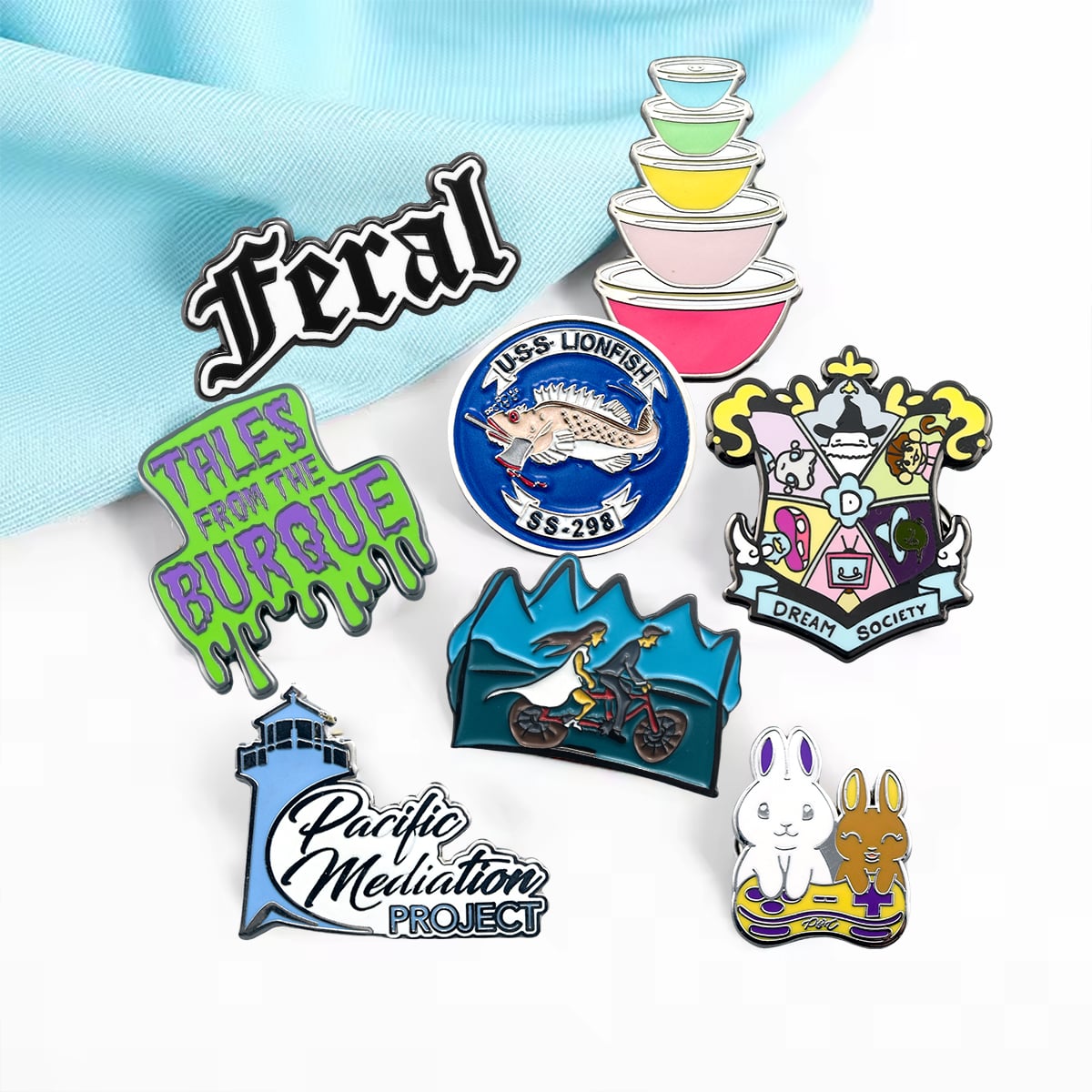
Zinc alloy, brass, or iron? The metal you choose changes detail, weight, cost, and durability in a custom pin or coin. Here is how to pick the right one before you order.
Metal choice decides three things at once: how much detail survives, how the piece feels in the hand, and what it costs per unit. Get it wrong and you either pay a die-casting tool for a design that needs no relief, or lose the fine lettering your logo depends on — and re-cutting artwork costs another 7–10 days of sampling on top of 20–35 days of production.
Custom enamel pins and challenge coins are made from one of three metals, and each one has a job it does better than the others.
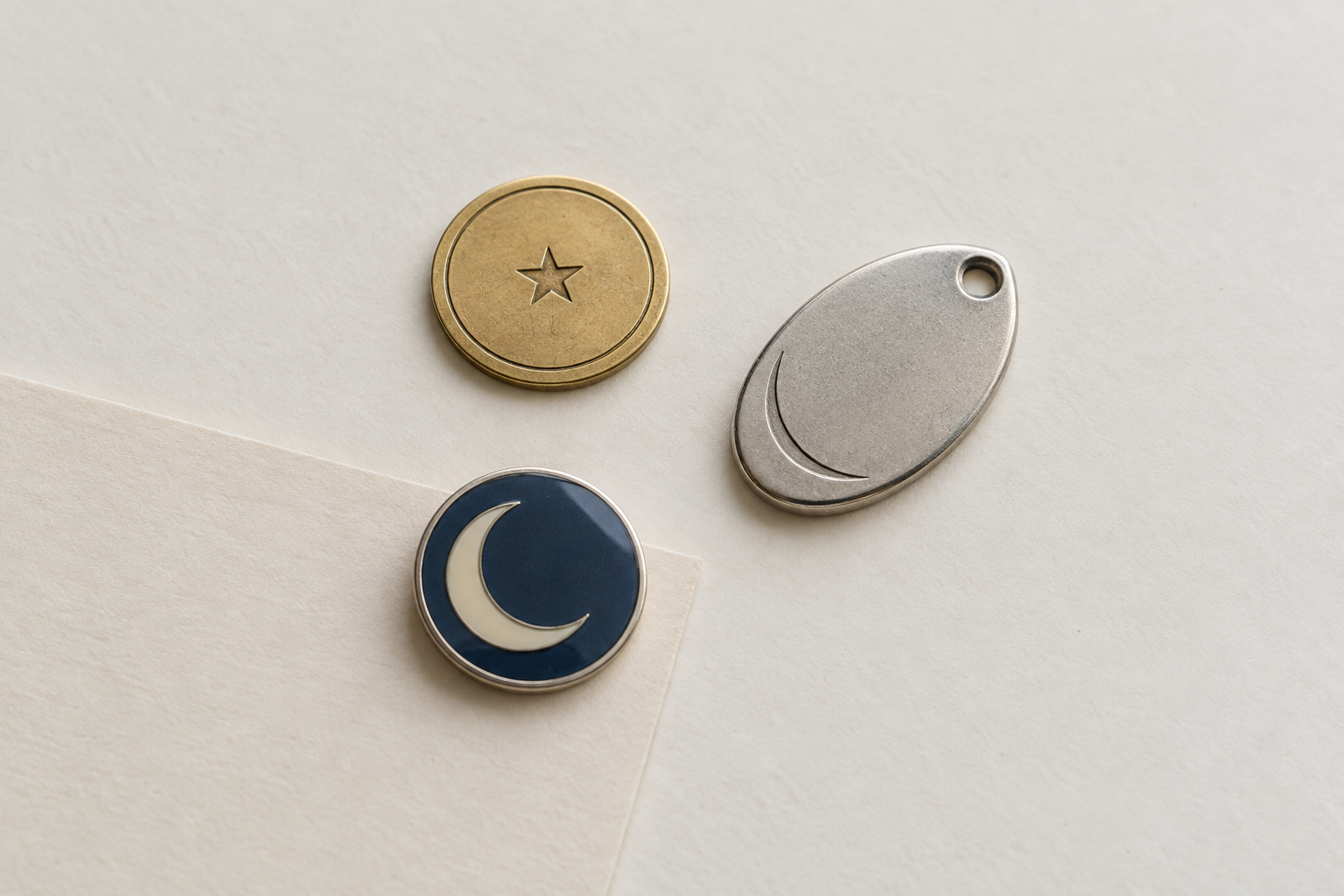
Metal |
How It Is Formed |
Best For |
Watch-Outs |
Zinc alloy |
Die casting — molten metal poured into a mold |
Complex 3D relief, cut-outs, unusual shapes |
Softer metal; finish quality drives the look |
Brass |
Die striking — stamped under high pressure |
Fine lines, engraved lettering, classic feel |
Deep 3D relief is limited |
Iron / steel |
Stamping |
High volume, simple shapes, tight budgets |
Flatter detail; needs plating against corrosion |
Fine lines and small lettering: Die-struck brass holds thin lines and crisp type where die casting tends to soften them.
Deep 3D relief, cut-outs, or shaped edges: Zinc alloy flows into complex molds, which is why detailed custom coins are usually die cast.
A simple mark at very large volume: Stamped iron with plating keeps unit costs low when the artwork is bold and the quantity is high.
Two-sided designs: Both faces have to be planned before the mold is cut — reversing a design later means a new tool, not an edit.
Enamel color coverage: Zinc alloy suits wide enamel fills; brass reads best when the metal itself is part of the design.
Brass feels denser: The same diameter in brass carries more weight, which many buyers associate with a premium piece.
Zinc alloy stays light: Better for large shapes and for pins worn on lighter garments.
Weight matters most on coins: A challenge coin is held, flipped, and checked — weight and edge finish are part of the experience.
Weight can work against you: A heavy pin on a fine jacket pulls the fabric; match weight to how the piece will be worn.
Mold / tooling fee: One-time $100–$400 per design for die casting, shared across multiple designs if artwork allows.
Unit cost falls with volume: Material is only part of the price — plating, enamel, and finishing steps also scale with quantity.
Match the metal to the quantity: Use die casting where the design needs it; use stamping where volume makes simplicity the cheaper answer.
Sample both if you are unsure: When a design sits between two options, compare physical samples before committing to bulk.
The metal is the foundation every other decision sits on. The same die-striking, die-casting, and plating craftsmanship behind our custom challenge coins and custom sports medals goes into every Unitepins order. Enjoy greater confidence before placing a bulk order: preview your design with free mockups and assess materials and finishes with no minimum quantity for samples. Plan your budget with factory-direct pricing, backed by our 5,100 m² factory and 21 years of OEM/ODM experience.

Q: Which metal is best for a double-sided challenge coin?
A: Both faces can be produced in zinc alloy or brass. Die casting suits deep relief and complex edges; brass suits finer engraved detail. Send us the artwork and we will recommend the metal that holds it best.
Q: Can we compare two metals before committing to bulk production?
A: Yes. Sample development is available with no minimum, so you can approve the metal, plating, and enamel before a bulk order is placed.
Q: Does material choice change the lead time?
A: Sampling takes 7–10 days and bulk production 20–35 days. Metal choice affects tooling and finishing steps rather than the overall window, but always confirm against your event date.
Q: What is the minimum order?
A: MOQ typically starts at 100–500 pcs depending on design complexity; higher volumes lower the per-unit price significantly.
Q: Can different metals be combined in one order?
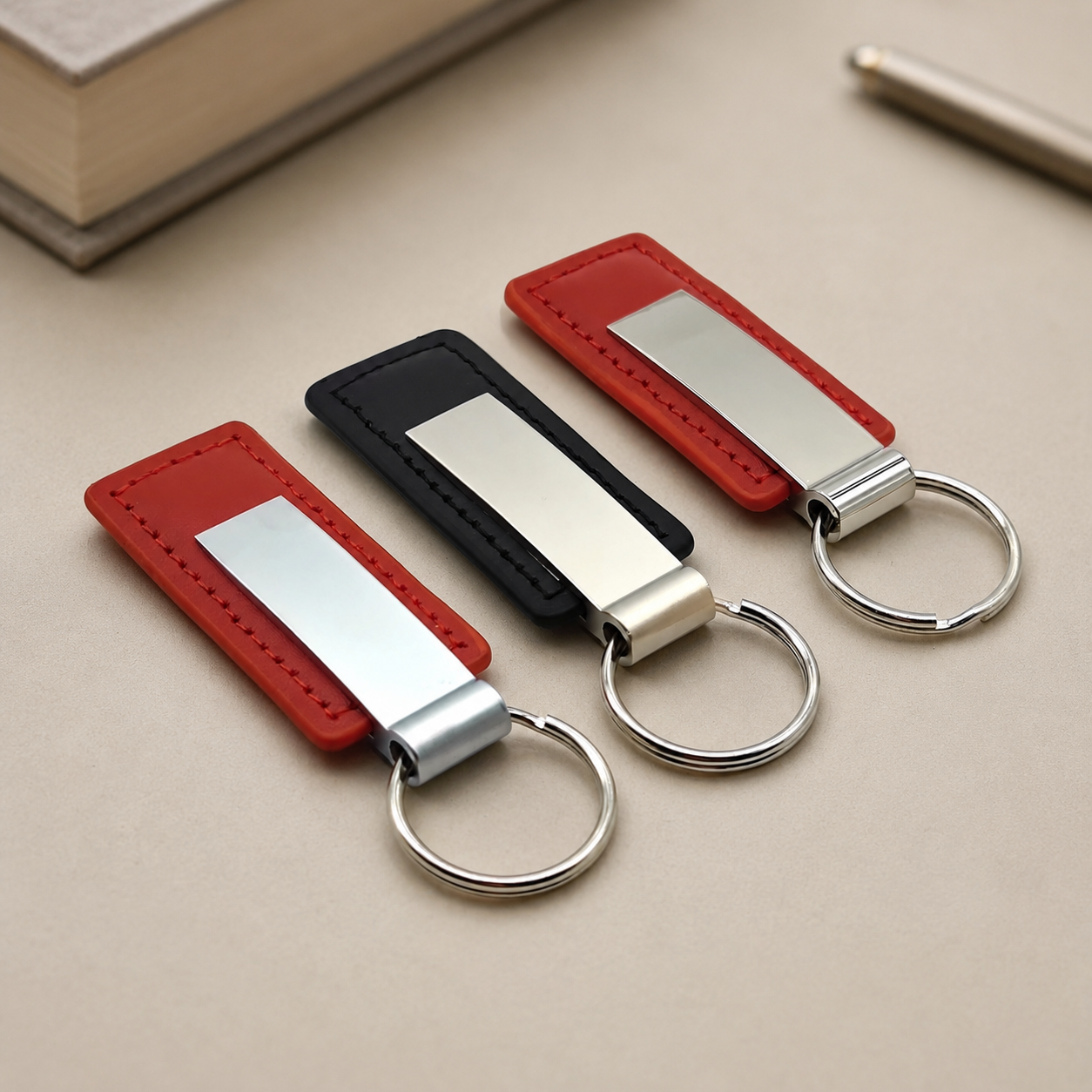
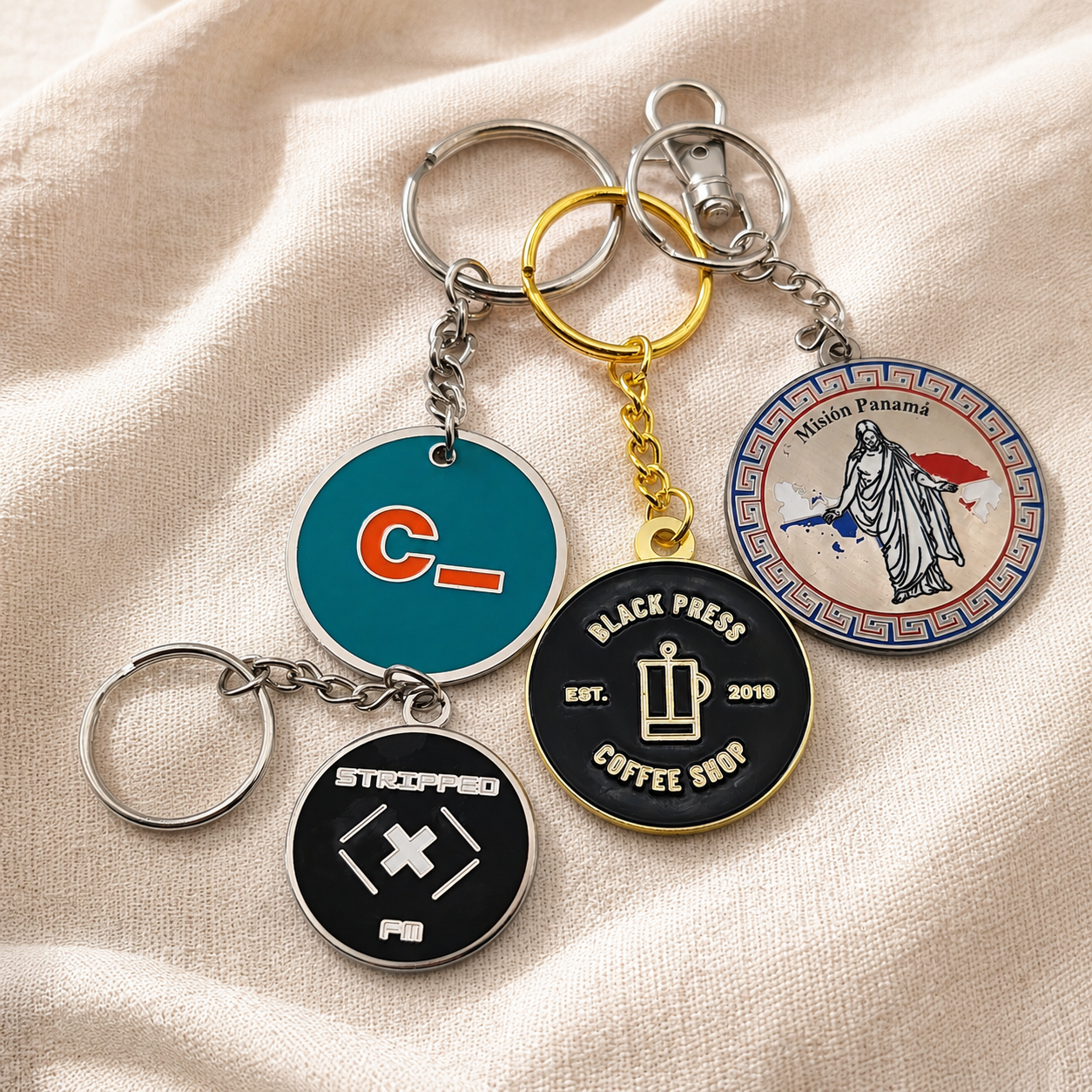
A: Yes. A program can include a brass pin, a die-cast coin, and a stamped keychain in a single order, which keeps finishes and colors consistent across the set.

Our custom products include lapel pins, 3M Sticker Pins, Challenge coins, Golf ball marker, Keychains, Medals, Bottle openers, Belt buckles, Cuff-links, Lanyards, etc.
 EN




 Hot News