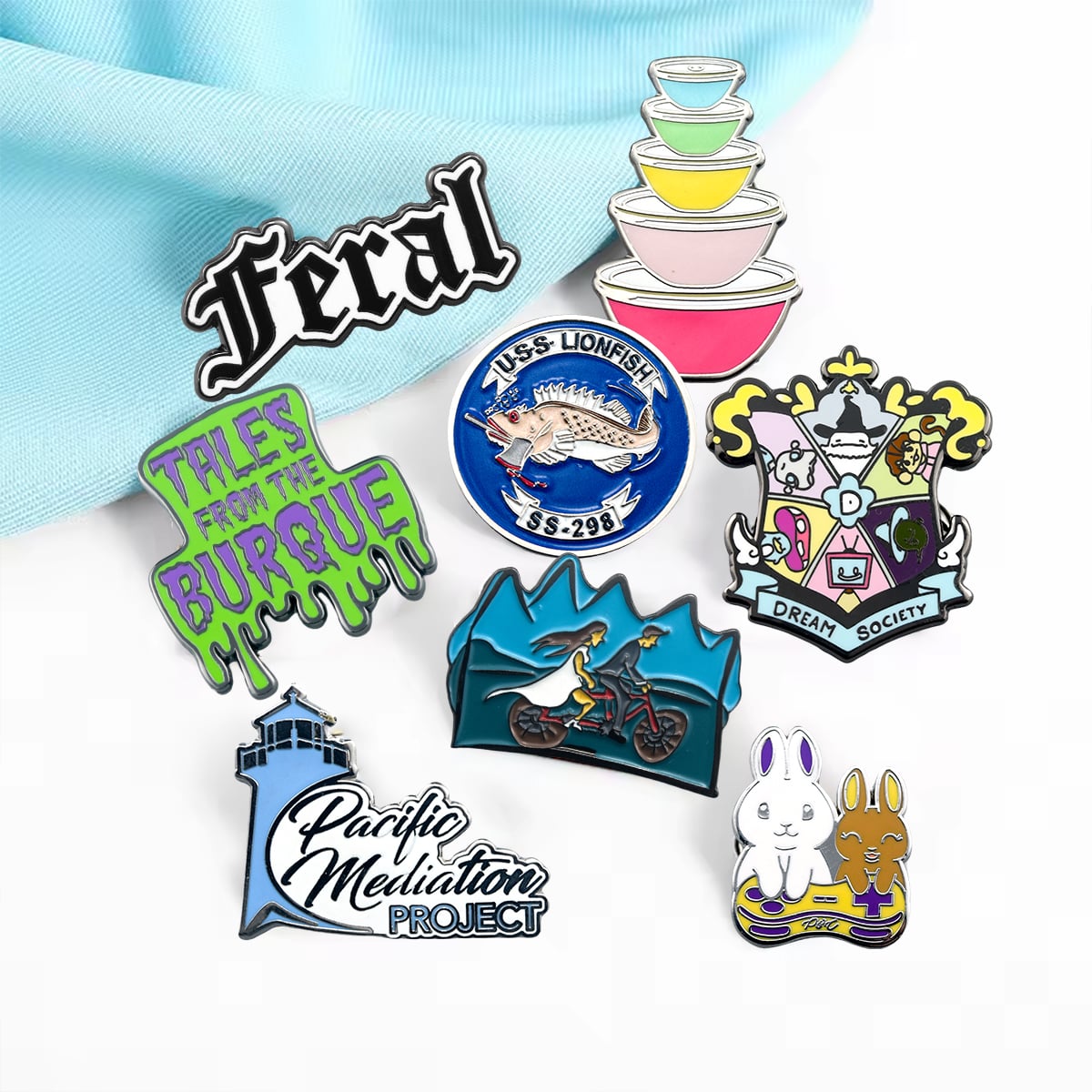
Lapel pins are more than just decorative accessories—they serve as powerful brand ambassadors, corporate gifts, and commemorative items that convey value and identity. For business owners, marketing managers, and e-commerce operators in the custom metal products industry, professional packaging and presentation of lapel pins can significantly enhance brand perception, customer satisfaction, and even repeat purchases. A well-packaged lapel pin not only protects the product during transit but also elevates its perceived value, making it stand out in a competitive market. In this guide, we will break down the key steps and strategies to package and present lapel pins professionally, covering five core modules that deliver actionable insights for your business operations.
Choose the Right Packaging Materials Based on Product Value and Usage Scenario
Selecting appropriate packaging materials is the foundation of professional lapel pin presentation, as it directly impacts product protection, brand image, and cost-effectiveness. For high-value custom lapel pins such as corporate executive gifts or limited-edition commemorative pins, premium materials like rigid paper boxes with matte or glossy finishes, velvet-lined interiors, or metal tins are recommended—these materials not only shield the pins from scratches, oxidation, and bending during shipping but also convey a sense of luxury that aligns with high-end branding. For mass-produced promotional lapel pins or daily sales items, cost-effective yet durable options such as kraft paper cards, clear plastic sleeves, or lightweight cardboard boxes are more suitable, as they balance protection with affordability. It’s crucial to consider the usage scenario: if the pins are intended for trade shows or giveaways, compact and portable packaging that’s easy to distribute is ideal, while pins for formal gifting may require more elaborate packaging with brand-specific details. Additionally, opt for materials that are environmentally friendly whenever possible, as sustainable packaging has become a key consideration for many B2B clients and can enhance your brand’s social responsibility image.
Integrate Brand Elements into Packaging Design Strategically
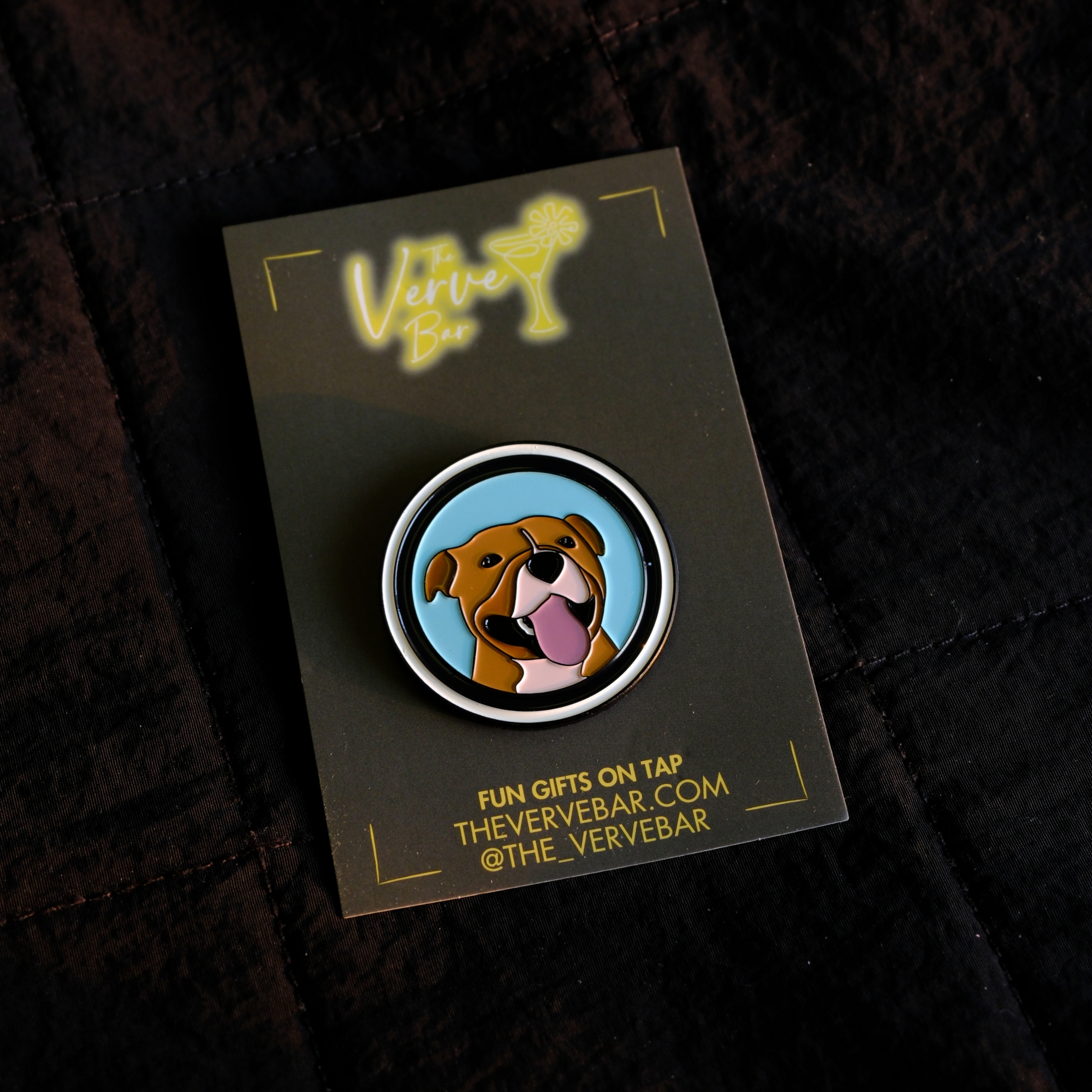
Professional packaging should serve as an extension of your brand, reinforcing brand recognition and leaving a lasting impression on recipients. When designing lapel pin packaging, integrate brand elements in a subtle yet impactful way to avoid overwhelming the product itself. Key brand elements to include are your company logo, brand colors, tagline, and contact information—these should be placed in visible but unobtrusive positions, such as the top of a gift box, the back of a paper card, or the side of a metal tin. For example, printing your logo in a matching brand color on a velvet-lined box lid adds a refined touch, while a small tag with your tagline attached to a paper card packaging enhances brand recall. Ensure that the design style aligns with your brand identity: if your brand is known for minimalism, opt for clean lines and neutral colors with subtle logo placement; if your brand leans into tradition, consider embossed or foil-stamped brand elements for a classic look. Consistency in packaging design across all your custom metal products (such as keychains, commemorative coins, and lapel pins) also helps strengthen brand coherence and professionalism in the eyes of B2B clients.
Optimize Packaging Structure for Protection and User Experience
A professionally packaged lapel pin must not only look good but also function well—protecting the product during transit and providing a seamless user experience when unboxing. The packaging structure should be designed to secure the lapel pin in place, preventing movement that could cause damage. Common effective structures include pin backings (such as butterfly clutches or rubber stoppers) attached to paper cards to keep the pin fixed, foam inserts inside boxes to cradle the pin, or clear plastic compartments that hold the pin and any accompanying accessories (like extra backings or polishing cloths). When designing the structure, consider the unboxing experience: avoid overly complex packaging that requires scissors or excessive force to open, as this can frustrate recipients. Instead, opt for easy-to-open designs such as fold-top boxes or peel-and-seal plastic sleeves that allow for quick and smooth access to the pin. Additionally, if your lapel pins are sold in bulk or shipped internationally, consider outer packaging (such as bubble mailers or corrugated boxes) that provides an extra layer of protection against impact, moisture, and dust—ensuring the product arrives in perfect condition to your B2B clients.
Enhance Presentation with Complementary Accessories and Personalization
Adding complementary accessories and personalized touches to lapel pin packaging can significantly elevate its professional presentation and perceived value. For B2B scenarios such as corporate gifting or custom orders for clients, include small complementary items that enhance the usability or sentiment of the lapel pin, such as polishing cloths to keep the metal finish shiny, extra pin backings for replacement, or small informational cards that explain the pin’s design inspiration or purpose (e.g., “This custom lapel pin commemorates your company’s 10th anniversary”). Personalization is another powerful tool—consider adding handwritten thank-you notes for key clients, custom labels with the client’s company name for bulk orders, or serialized numbers for limited-edition pins. These small details show attention to detail and make the recipient feel valued, strengthening your business relationship. For e-commerce sales, including a brief brand story card or a discount coupon for future purchases can also encourage repeat business and enhance customer loyalty. When selecting accessories, ensure they align with the product’s value and the client’s expectations—avoid overcomplicating the presentation with unnecessary items that add cost without increasing perceived value.
Align Packaging and Presentation with B2B Client Needs and Brand Messaging
Professional lapel pin packaging and presentation must be tailored to the specific needs of your B2B clients and aligned with your overall brand messaging. Before finalizing packaging designs, understand your clients’ use cases: are the lapel pins for internal employee recognition, external marketing campaigns, or client gifting? For example, if a client is purchasing lapel pins for employee uniforms, the packaging should be practical and easy to distribute in bulk, with clear labeling for size or department. If the pins are for client gifting, the packaging should be more elegant and personalized to reflect the client’s brand as well as yours. Additionally, ensure that the presentation aligns with your brand messaging—if your brand focuses on innovation and modernity, use sleek, contemporary packaging designs; if your brand emphasizes craftsmanship and heritage, opt for traditional materials and artisanal details. Communicate with your B2B clients to understand their specific requirements and preferences, and offer customizable packaging options to meet their unique needs. This client-centric approach not only ensures satisfaction but also positions your business as a reliable and professional partner in the custom metal products industry.
FAQ: Common Questions About Lapel Pin Packaging and Presentation
Q1: What is the most cost-effective packaging option for mass-produced promotional lapel pins?
A1: The most cost-effective option for mass-produced promotional lapel pins is kraft paper cards paired with clear plastic sleeves. Kraft paper is affordable, environmentally friendly, and easy to print brand elements on, while the clear plastic sleeve adds a layer of protection against dust and minor damage. This combination balances cost, functionality, and brand visibility, making it ideal for large-scale promotional campaigns or giveaways.
Q2: How can I ensure that lapel pins don’t get scratched during shipping?
A2: To prevent scratches during shipping, first secure the lapel pin in place using a backing (butterfly clutch, rubber stopper) on a paper card or a foam insert inside the packaging. Then, add a layer of protective material such as tissue paper or bubble wrap around the packaged pin. For international or bulk shipments, use outer packaging such as corrugated boxes or bubble mailers to absorb impact. Avoid using packaging materials that are abrasive or could rub against the pin’s surface.
Q3: Is it necessary to add personalized elements to lapel pin packaging for B2B clients?
A3: While not always necessary, personalized elements are highly recommended for B2B lapel pin packaging, especially for custom orders or client gifting. Personalization (such as the client’s company name, a handwritten note, or a custom label) shows that you value the client’s business and have taken the time to tailor the product to their needs. This can strengthen business relationships, enhance client satisfaction, and differentiate your products from competitors. For bulk orders where full personalization is not feasible, even small touches like a generic thank-you card or a brand story card can add value.
Q4: What sustainable packaging materials are suitable for lapel pins?
A4: Suitable sustainable packaging materials for lapel pins include recycled kraft paper, biodegradable plastic sleeves, bamboo boxes, and recycled corrugated cardboard. These materials are environmentally friendly, recyclable, or compostable, aligning with the growing demand for sustainable practices in B2B transactions. Additionally, using minimal packaging (avoiding excessive layers or unnecessary materials) can reduce waste and improve sustainability. Many B2B clients prioritize working with suppliers who use sustainable materials, so this choice can also give your business a competitive edge.
Q5: How can I align lapel pin packaging with both my brand and my client’s brand for custom B2B orders?
A5: To align packaging with both your brand and the client’s brand, start by incorporating your client’s key brand elements (logo, colors, tagline) prominently on the packaging, as the pin is ultimately for their use. Then, add your brand elements in a subtle way (such as a small logo on the back of the packaging or a tag with your contact information) to maintain brand visibility without overshadowing the client’s brand. Work closely with the client to confirm their brand guidelines and preferences, and offer mock-ups of the packaging design before production. This collaborative approach ensures that the packaging meets the client’s needs while still promoting your brand as a professional, detail-oriented supplier.
Professional packaging and presentation of lapel pins are essential for B2B success in the custom metal products industry. By choosing the right materials, integrating brand elements strategically, optimizing packaging structure, adding thoughtful accessories, and aligning with client needs, you can elevate your lapel pin offerings, enhance brand perception, and build stronger business relationships. The insights and strategies outlined in this guide provide actionable steps to implement professional packaging practices that drive customer satisfaction and business growth. Whether you’re catering to corporate clients, marketing campaigns, or e-commerce sales, investing in professional lapel pin packaging is a worthwhile effort that yields long-term returns.

 EN
EN


 Hot News