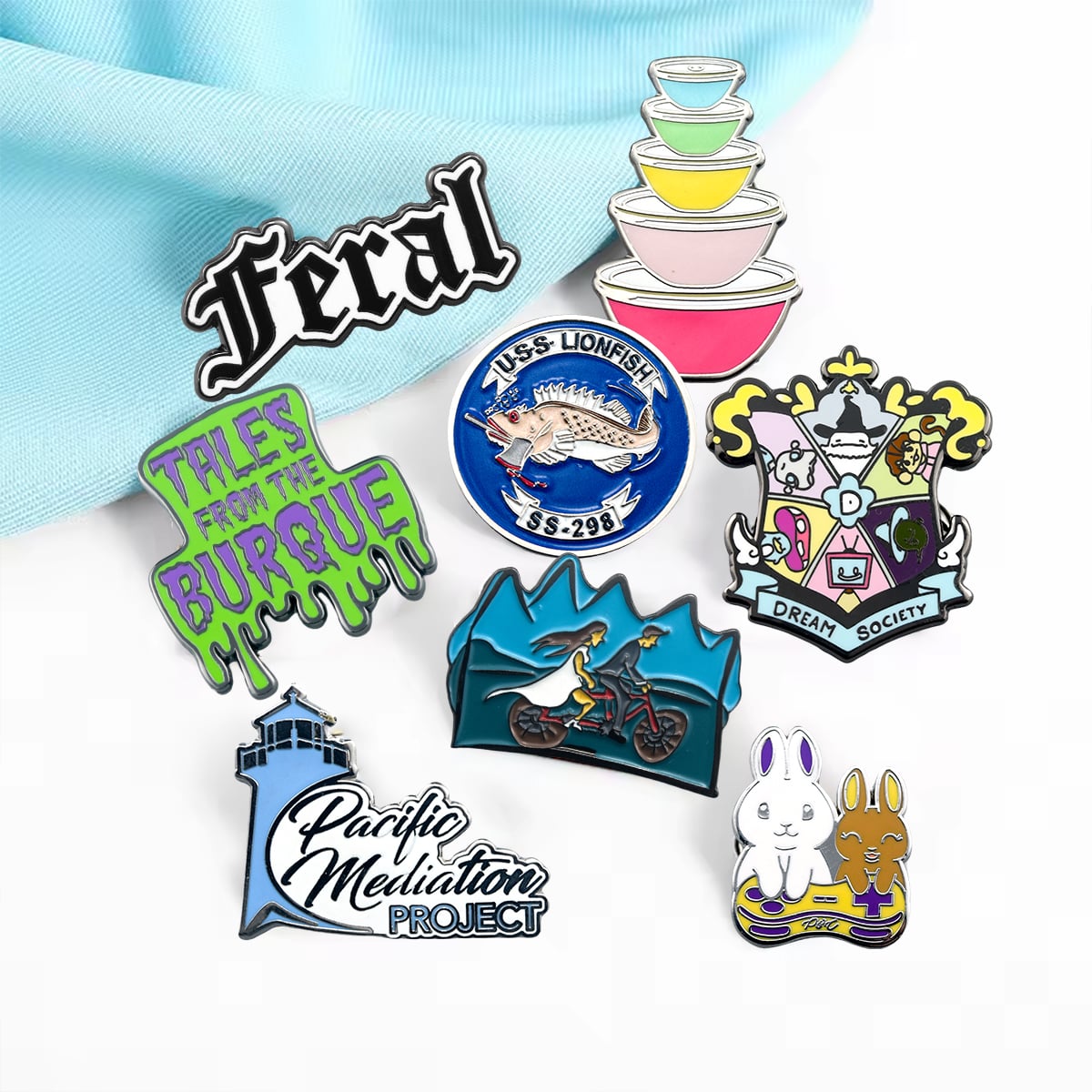
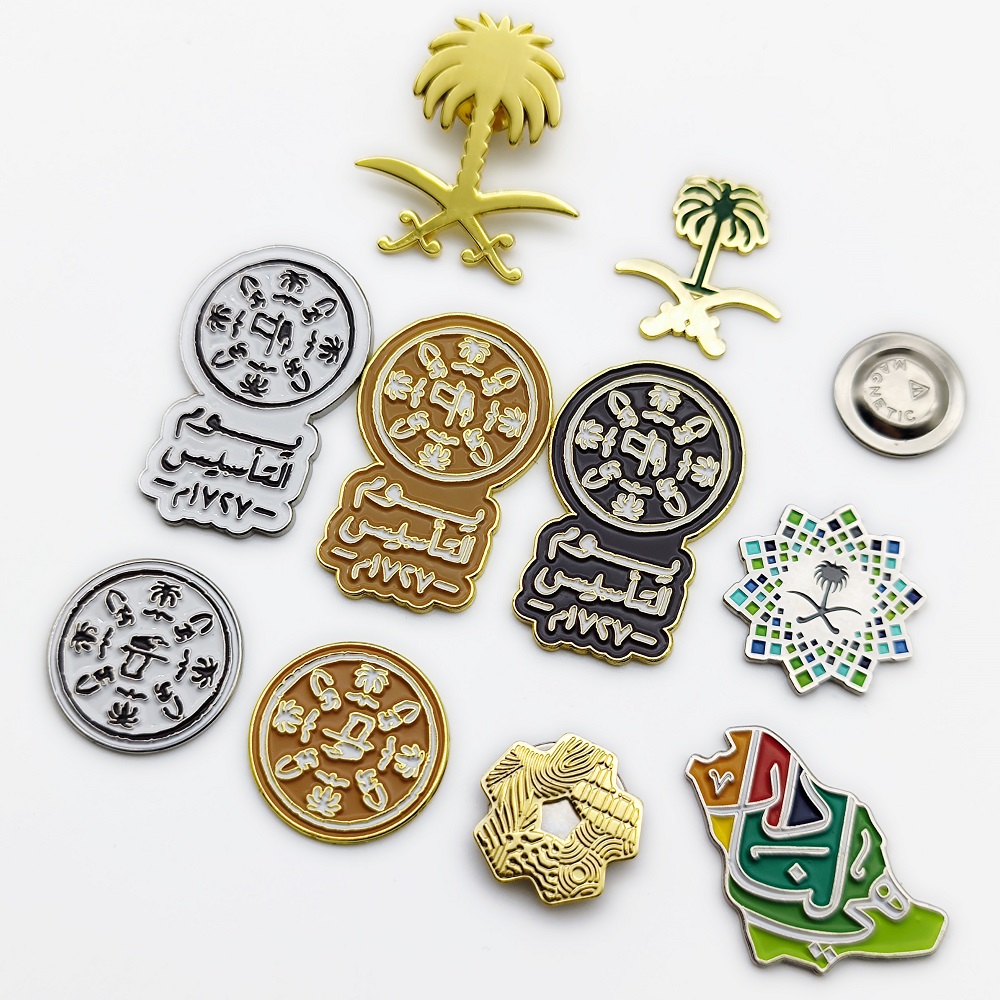
In the custom metal products industry, keychains stand out as versatile and high-demand items, serving both personal use and corporate gifting purposes. However, many business owners and e-commerce operators overlook the critical role of packaging in driving sales and protecting brand value—especially when catering to both retail and wholesale channels. Proper keychain packaging not only safeguards the products during transit but also enhances brand recognition, improves customer experience, and boosts conversion rates. Whether you’re selling custom metal keychains, enamel badges, or commemorative coins, understanding the nuances of retail and wholesale packaging is essential for scaling your business. This guide breaks down actionable strategies across five core modules to help you optimize your keychain packaging for success in both channels.
Core Objectives of Keychain Packaging: Balancing Protection, Branding, and Cost-Efficiency
Before diving into packaging designs and materials, it’s crucial to clarify the core objectives that align with your retail and wholesale goals. For both channels, product protection is non-negotiable—keychains, especially metal ones, are prone to scratches, dents, or tarnishing if not properly secured. Wholesale packaging must prioritize durability to withstand long-haul shipping and multiple handlings, while retail packaging needs to balance protection with visual appeal to attract in-store or online shoppers. Branding is another key objective: your packaging should serve as a silent salesperson, displaying your logo, brand colors, and key value propositions (such as “customizable” or “eco-friendly”) prominently. Cost-efficiency is equally important—wholesale orders require bulk packaging solutions that minimize per-unit costs, while retail packaging should justify a slightly higher investment by enhancing perceived value. To achieve this balance, start by auditing your target channels: for wholesale, focus on stackability and minimal material waste; for retail, prioritize shelf presence and unboxing experience.
Material Selection: Matching Durability, Aesthetics, and Sustainability
The choice of packaging materials directly impacts your brand image, product safety, and customer satisfaction—especially in an era where sustainability is a top concern for B2B buyers. For wholesale keychain packaging, durable and cost-effective materials are ideal. Corrugated cardboard boxes are a staple, as they offer excellent protection against impact and are easy to stack for shipping; opt for double-walled cardboard for heavier keychain orders or long-distance transit. Polyethylene (PE) bags or bubble wrap can be used as inner liners to prevent scratches, while kraft paper inserts help keep keychains organized within the box. For retail packaging, materials should be more visually appealing while maintaining adequate protection. Transparent plastic blister packs are popular for retail, as they allow customers to see the keychain clearly while keeping it secure; pair them with a printed cardboard backing that features your brand logo and product details. For premium or custom keychains, consider eco-friendly options such as recycled paper boxes, kraft paper bags with ribbon ties, or biodegradable PLA blister packs—these materials not only appeal to environmentally conscious buyers but also enhance your brand’s sustainability credentials. When selecting materials, always test them for durability: simulate shipping conditions (such as dropping or stacking) to ensure they protect keychains from damage, and compare costs across suppliers to find the best balance of quality and affordability.
Retail vs. Wholesale Packaging: Tailoring Designs to Channel Needs
The biggest mistake many operators make is using a one-size-fits-all packaging approach for retail and wholesale—this ignores the distinct needs of each channel and can lead to lost sales or increased costs. Retail packaging is designed to attract individual consumers and drive impulse purchases, so it should be compact, visually appealing, and informative. Key elements of effective retail keychain packaging include clear product visibility (via transparent windows or blister packs), concise product information (such as material, size, and customization options), and brand storytelling (such as the inspiration behind the design or your company’s mission). For example, if you sell custom corporate keychains, retail packaging could highlight “perfect for employee gifts” or “customizable with your logo” to appeal to small business owners shopping for gifts. Wholesale packaging, by contrast, is focused on efficiency, scalability, and cost-effectiveness for bulk orders. It should be designed for easy handling, storage, and shipping—think stackable boxes, minimal branding (to allow retailers to add their own labels), and clear labeling for inventory management (such as SKU numbers, order quantities, and product descriptions). For wholesale orders, consider using bulk cartons that can hold 50-100 keychains, with inner dividers to prevent tangling or damage; include a packing slip with order details to streamline the receiving process for retailers. Additionally, wholesale packaging should comply with international shipping standards if you’re selling globally—this includes using moisture-resistant materials for humid climates and labeling packages with “fragile” or “handle with care” when necessary.
Branding Integration: Turning Packaging into a Marketing Tool
In B2B e-commerce, packaging is more than just a protective layer—it’s a powerful marketing tool that can reinforce brand loyalty and attract new customers. For both retail and wholesale keychain packaging, branding should be consistent but tailored to the channel. For retail, bold and memorable branding is key: use your brand’s primary colors, logo, and tagline prominently on the packaging, and consider adding a QR code that links to your website, product catalog, or customer reviews. This not only increases brand recognition but also drives traffic to your e-commerce site. For custom keychain products, retail packaging can include a short note about the customization process (e.g., “Handcrafted with premium metal—customize yours today”) to highlight your unique value proposition. For wholesale, branding should be more subtle but still present: place your logo on the side of bulk cartons or on inner packaging inserts, and include a brief brand story or contact information for retailers who may want to learn more about your products. You can also use wholesale packaging to upsell: include a catalog of your other products (such as badges or纪念币) inside the carton, encouraging retailers to expand their orders. Remember, consistency is key—ensure your branding elements (logo, colors, font) are the same across all packaging materials, as well as your website and social media, to build a strong and recognizable brand identity.
Compliance and Logistics Optimization: Avoiding Delays and Costs
For businesses operating in the global e-commerce market, compliance with packaging regulations and logistics optimization are critical to avoiding delays, fines, and additional costs. First, familiarize yourself with the packaging regulations of your target markets: for example, the European Union requires packaging to be recyclable or biodegradable under the Packaging and Packaging Waste Directive, while the United States has specific labeling requirements for imported goods (such as country of origin). Ensure your materials and packaging designs meet these standards to avoid customs issues. Second, optimize your packaging for logistics to reduce shipping costs. For wholesale, use standard-sized cartons that fit efficiently on pallets, as irregular sizes can lead to higher shipping fees. For retail, keep packaging compact and lightweight—this not only reduces shipping costs for your e-commerce orders but also makes it easier for retailers to display the products on shelves. Additionally, consider using packaging materials that are easy to assemble, saving time and labor costs in your fulfillment process. Finally, label your packages clearly with all necessary information: for wholesale, include SKU numbers, order quantities, and contact information; for retail, include barcodes, product details, and safety information (if applicable). Investing in high-quality labels that won’t smudge or peel during transit can help streamline the logistics process and improve customer satisfaction.
FAQ: Common Questions About Keychain Packaging for Retail and Wholesale
Q1: How can I reduce packaging costs for wholesale keychain orders without compromising protection?
To reduce wholesale packaging costs, opt for bulk packaging materials (such as corrugated cardboard) that are purchased in large quantities—this lowers the per-unit cost. Use minimal inner packaging (such as recycled paper inserts instead of bubble wrap) where possible, and choose standard-sized cartons that fit your keychains efficiently, avoiding wasted space. You can also negotiate with suppliers for long-term contracts to get better pricing on materials. Additionally, optimizing your packaging design to be easy to assemble can save labor costs in fulfillment.
Q2: What’s the best retail packaging option for custom keychains that need to showcase design details?
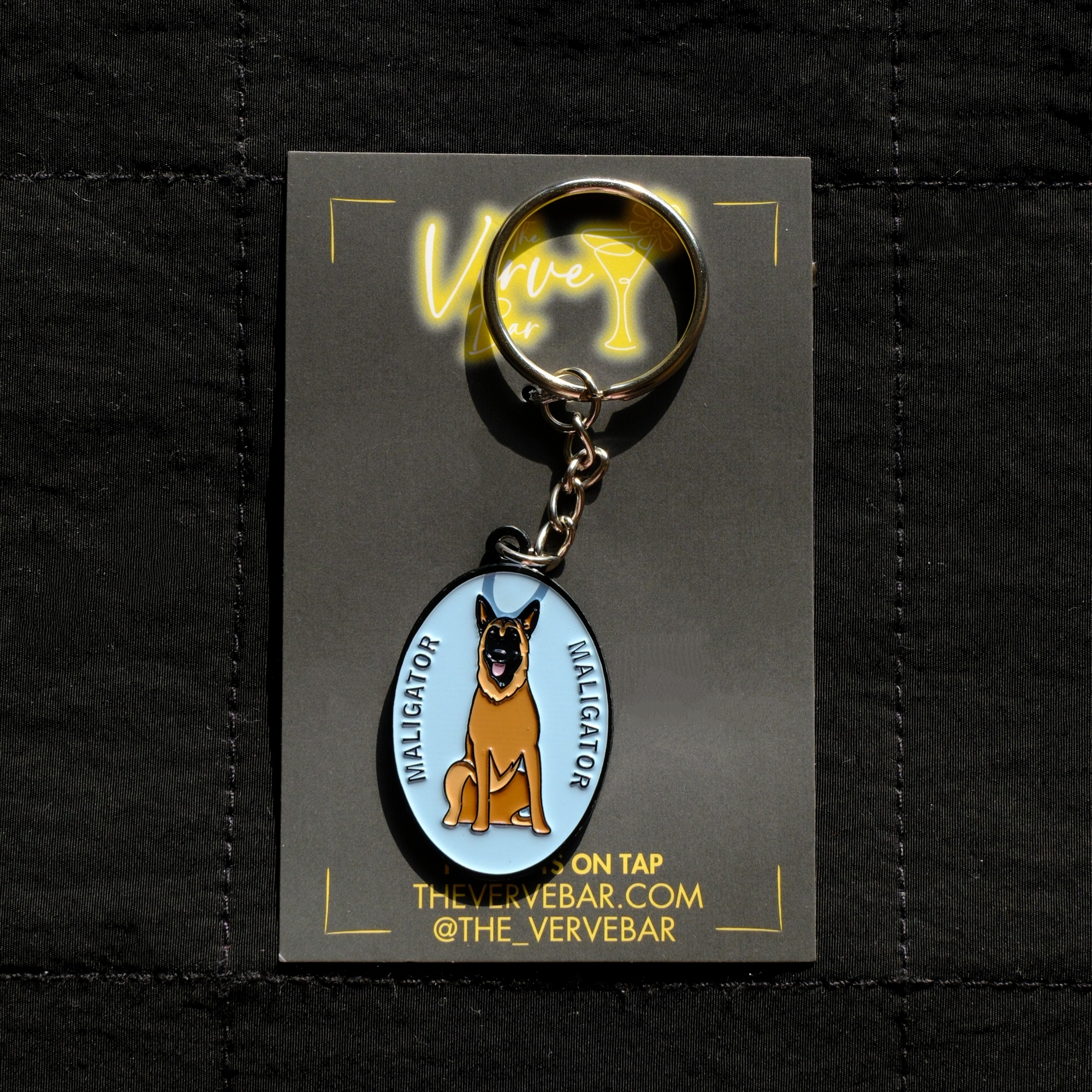
Transparent blister packs paired with printed cardboard backings are the best option for showcasing custom keychain designs. The blister pack allows customers to see the keychain’s details (such as enamel colors or engravings) clearly, while the cardboard backing provides space for branding and product information. For premium custom keychains, consider eco-friendly options such as recycled paper boxes with a transparent window—this combines visual appeal with sustainability, which is a key selling point for many consumers.
Q3: Do I need to include branding on wholesale packaging if retailers will resell the products?
While wholesale packaging doesn’t need to be as branded as retail packaging, it’s still important to include subtle branding elements (such as your logo or contact information) on the carton or inner inserts. This helps retailers identify the supplier easily and can lead to repeat orders or referrals. Additionally, including a catalog of your other products in the wholesale packaging can encourage retailers to expand their orders, boosting your sales. Avoid overly prominent branding that may conflict with the retailer’s own brand identity.
Q4: How can I ensure my keychain packaging is eco-friendly and compliant with global regulations?
To make your packaging eco-friendly, choose materials such as recycled cardboard, biodegradable PLA, or kraft paper—all of which are recyclable and meet most global regulations (including the EU’s Packaging and Packaging Waste Directive). Avoid non-recyclable materials such as single-use plastic where possible. Before shipping to international markets, research the specific packaging regulations of each country (such as labeling requirements or material restrictions) and work with a packaging supplier who has experience in compliant materials. You can also obtain certifications (such as FSC certification for recycled paper) to reinforce your sustainability credentials.
Q5: What’s the difference between packaging for online retail vs. brick-and-mortar retail keychains?
Online retail packaging for keychains needs to prioritize protection during shipping, as products will go through multiple handlings. Opt for lightweight but durable materials (such as corrugated cardboard mailers with inner padding) and include clear labeling with shipping information. Brick-and-mortar retail packaging should focus on shelf presence—use eye-catching designs, transparent windows, and compact sizes that fit easily on retail shelves. Additionally, brick-and-mortar packaging may need to include barcodes for checkout, while online packaging can include QR codes linking to your website or product reviews.
Effective keychain packaging for retail and wholesale is a balance of protection, branding, cost-efficiency, and compliance. By aligning your packaging strategy with the unique needs of each channel, you can enhance customer satisfaction, reduce costs, and drive sales growth. Whether you’re a small business owner just starting out or an established e-commerce operator looking to scale, the strategies outlined in this guide will help you create packaging that adds value to your products and strengthens your brand. Remember to test different materials and designs, gather feedback from customers and retailers, and continuously optimize your packaging to stay ahead of the competition.

 EN
EN



 Hot News