 EN
EN


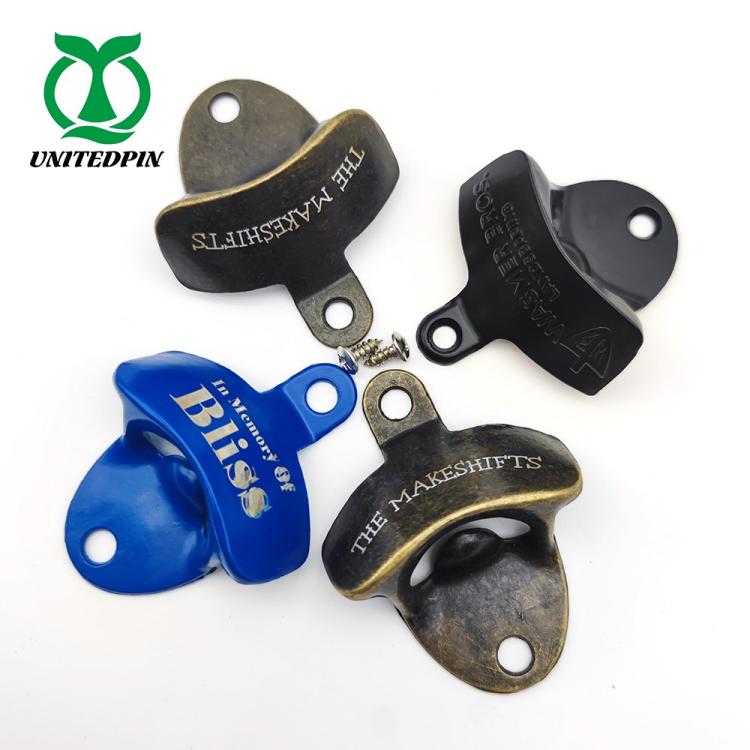
The bottle opener has moved far beyond the simple lever tool of decades past. Today it sits at the intersection of engineering, materials science and user-centered design — a compact product that shapes how consumers experience a drink and how brands express themselves.
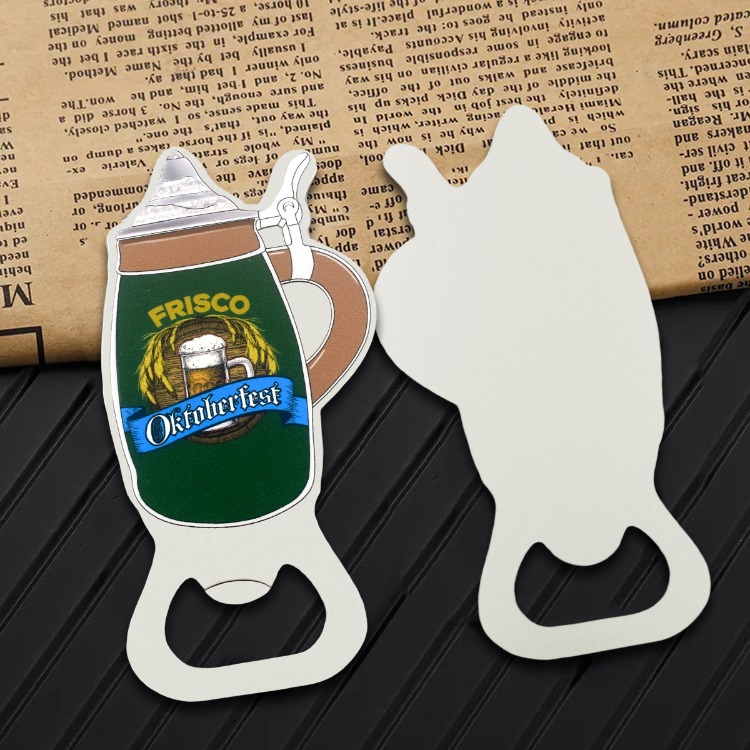
For procurement teams, importers and gift-industry buyers, this evolution matters commercially. Design innovation now drives differentiation across price points, from stainless steel bar tools to titanium everyday-carry (EDC) pieces, and knowing what separates a premium product from a commodity improves sourcing decisions. This guide breaks down the material, ergonomic and manufacturing advances defining the category today.
Material Science and Durability
Material selection is the first quality signal a buyer checks. High-grade stainless steel remains the benchmark: a premium stainless steel bottle opener offers corrosion resistance and longevity that plain steel or zinc cannot match. Titanium alloys are the emerging frontier — comparable strength at roughly half the weight, which matters for outdoor, travel and EDC lines.
| Material | Typical grade | Hardness | Corrosion resistance | Typical use |
|---|---|---|---|---|
| 304 stainless steel | 304 / 1.4301 | 200 HV | Good | Standard premium openers |
| 316 stainless steel | 316L / 1.4404 | 200 HV | Excellent, salt-tolerant | Marine, coastal, outdoor |
| Titanium alloy | Ti-6Al-4V (Grade 5) | 350 HV | Excellent | Lightweight EDC, travel |
| Zinc alloy | ZAMAK-3 | 85 HB | Moderate | Coated budget designs |
| Aluminum | 6061-T6 | 95 HB | Good when anodized | Lightweight, colored styles |
Surface finishing decides how an opener looks after six months in a pocket or a year behind a bar. Two treatments dominate current spec sheets:
| Treatment | Typical thickness | What it delivers |
|---|---|---|
| Powder coating | 60–120 µm | Scratch, UV and fade resistance; matte or textured |
| PVD coating | 1–3 µm | High hardness, wear and fingerprint resistance |
| Electroplating (nickel/chrome) | 10–25 µm | Gloss, corrosion barrier, classic chrome look |
| Anodizing (aluminum) | 5–25 µm | Durable color; seals the surface against oxidation |
Powder coating suits most bar and retail lines, while PVD is specified where daily abrasion is expected — pockets, keychains, work bags. Asking suppliers for coating thickness and salt-spray test hours in your RFQ is the fastest way to separate real quality from marketing claims.
Ergonomic and Functional Integration
Functionality is where modern openers differentiate most. Instead of a single-purpose lever, today's designs combine several jobs in one compact tool:
- Two-stage lever geometry that cuts the hand force needed per opening
- Integrated can-opening edges for camping and travel kits
- Keychain attachment points for EDC use
- Flathead screwdriver tips for utility roles
- Corkscrew or foil-cutter modules in sommelier-style units
Each added function has to justify its weight and cost — a discipline borrowed from the bar industry, where professionals only keep tools that earn their place behind the counter.
Ergonomics has moved from nice-to-have to a spec'd requirement. Contoured handles distribute force across the palm, textured grips keep wet hands in control, and lever ratios are calculated to reduce opening effort by roughly 20–30% versus flat designs. Working bartenders and EDC communities feed this refinement loop directly: the best openers are designed with people who open hundreds of bottles a shift.
Aesthetic and Lifestyle Positioning
Personalization has turned the opener into a promotional and gifting vehicle. Laser engraving, color anodizing and embossed logos let brands turn a functional item into merchandise — and let consumers commission a custom bottle opener that reflects their own style. Corporate gifting programs, brewery merchandise and event giveaways all run on this capability, which is why engraving depth and coating adhesion belong in the product spec.
On the retail side, minimalist aesthetics dominate. Clean lines, monochrome finishes and refined proportions signal quality without ornament — and these designs tend to age better than trend-driven shapes. The most successful openers combine that visual restraint with sound engineering underneath; the form sells the unit, but the specification keeps it sold.
Manufacturing and Quality Control
Batch consistency is what separates a reliable bottle opener supplier from a lottery. CNC machining, stamping and die casting each fit different volumes and geometries, and the right process choice shows up in dimensional tolerances and repeatability. A practical quality program covers:
- Dimensional inspection against drawing tolerances (±0.1 mm typical for machined parts)
- Hardness and coating thickness verification (HV and µm readings per batch)
- Salt-spray testing for corrosion claims (48–72 h per ISO 9227)
- Repeated-load testing on the opening edge to confirm long-term geometry
Sustainability is also entering the sourcing conversation. Recyclable stainless steel, water-efficient coating lines and minimal packaging reduce the footprint of a single unit, and buyers in Europe and North America increasingly request these credentials in RFQs. A durable metal bottle opener is itself an anti-single-use statement, replacing dozens of plastic versions over its service life.
FAQ
What separates a high-quality bottle opener from a cheap one?
Check three numbers: material grade (304/316 stainless or better), coating thickness (60 µm+ powder or 1–3 µm PVD) and dimensional tolerance. Then test the opening edge under repeated load. A quality unit keeps its geometry, finish and grip after thousands of cycles.
How do modern designs improve on traditional lever openers?
Through contoured handles, calculated lever geometry that cuts required force, protective coatings and integrated secondary functions. The result is a tool that is easier on the hand, lasts longer and handles more jobs.
Are personalized openers worth the premium?
For corporate gifts and retail merchandise, yes. Engraving and coating options add perceived value far beyond unit cost, and metal construction means the brand impression lasts for years. Specify engraving depth (0.1–0.3 mm typical) and coating adhesion in your spec to protect the investment.