 EN


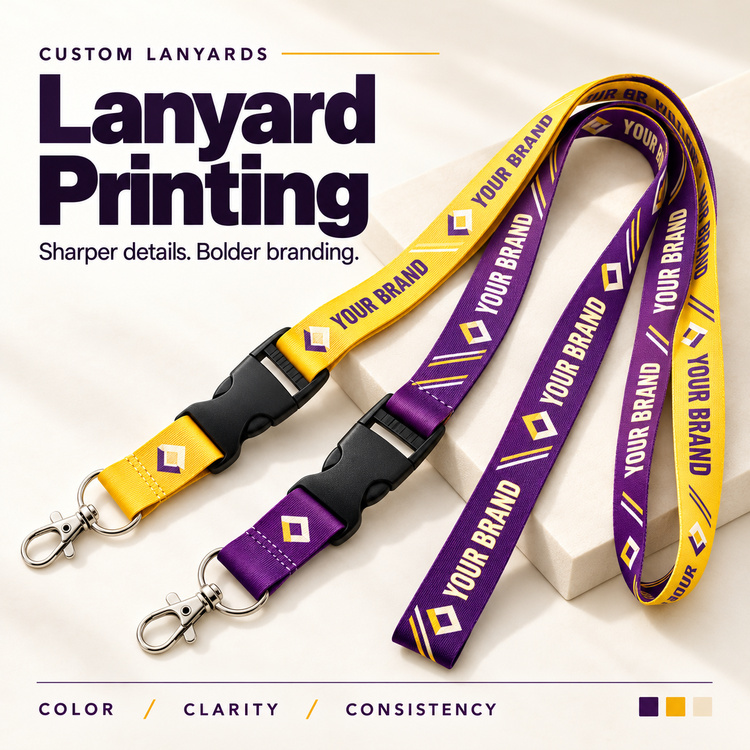
A custom identification product needs to do more than display a logo. For businesses, event organizers, schools, and security teams, print quality affects brand visibility, product durability, and the overall impression of an organization. The printing process also needs to suit the material, artwork, order volume, and conditions the product will face during everyday use.
When selecting a lanyard printing process, color and appearance are only part of the decision. Abrasion, UV exposure, washing frequency, design complexity, and attachment hardware can all affect how the finished product performs. Choosing an appropriate technique helps keep graphics clear throughout the product's service life and reduces the risk of fading, cracking, or poor definition.
Comparing Common Printing Techniques
Different printing methods offer different advantages depending on the material, design, and production requirements. The following comparison can help buyers narrow down the most suitable options.
| Printing Method | Design Detail | Durability | Best Material | Cost Efficiency | Typical Application |
|---|---|---|---|---|---|
| Screen Printing | Medium–High | High | Woven fabrics | High for bulk orders | Corporate and event branding |
| Digital Printing | Very High | Medium–High | Various fabrics | Good for short runs | Personalized designs |
| Heat Transfer | High | High | Synthetic fabrics | Medium | Detailed logos and graphics |
| Sublimation | Very High | Very High | Polyester | High for full-color orders | Sports and outdoor use |
| Embroidery | Medium | Very High | Woven fabrics | Lower for complex designs | Premium corporate products |
There is no single printing method that works best for every project. The practical choice depends on the artwork, material, quantity, budget, and expected service life.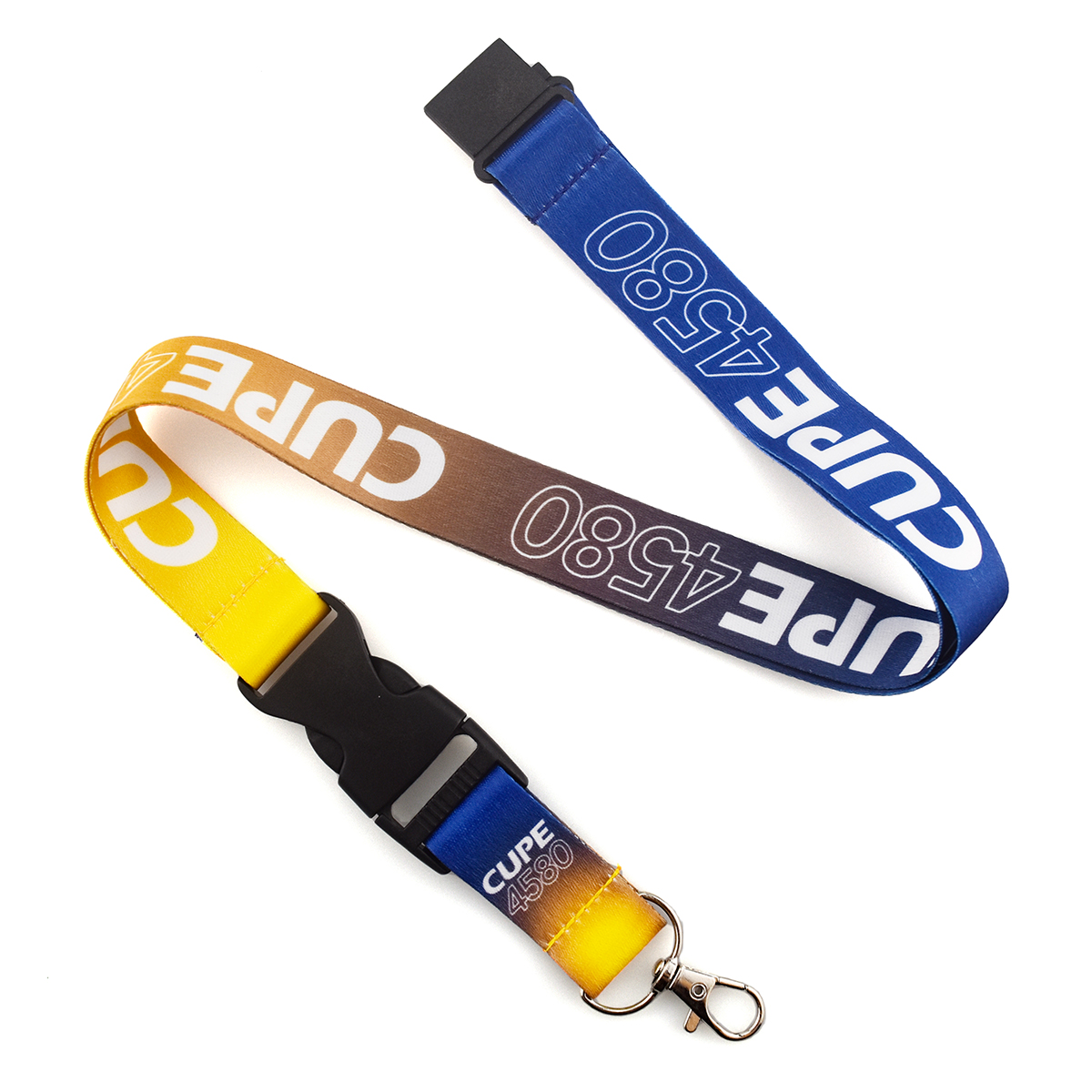
Screen Printing: A Reliable Choice for Bulk Orders
Screen printing remains a popular option for large orders featuring relatively simple logos, text, or spot-color graphics. Ink passes through a mesh screen onto the fabric, creating strong color coverage and consistent results.
Once the screens are prepared, production can maintain uniform colors and positioning across large quantities. This makes screen printing well suited to conferences, corporate identification programs, promotional campaigns, and other projects requiring hundreds or thousands of units.
The main consideration is setup. Each color generally requires a separate screen, so designs with gradients, photographs, or numerous colors may become less economical. Buyers should also make sure the selected ink and fabric combination can withstand regular handling and rubbing.
Digital Printing: Flexibility for Detailed Designs
Digital printing places the artwork directly onto the fabric without requiring a separate screen for each color. It is particularly useful for detailed graphics, gradients, photographs, and multicolor artwork.
This flexibility makes digital printing attractive for short runs and personalized orders. Artwork can be changed without preparing a new set of screens, which is useful when different departments, teams, or employees need different information.
Durability can vary according to the ink, fabric, and finishing process. Before placing a large order, buyers should check how the printed surface performs against washing, abrasion, moisture, and UV exposure.
Sublimation: Strong Performance on Polyester
Sublimation works especially well with polyester-based products. Heat transfers dye into the material instead of leaving a thick printed layer on its surface. The result is a smooth finish that can reproduce detailed and full-color artwork.
This technique is well suited to sports organizations, outdoor events, and designs that cover a large portion of the product. When properly produced, sublimated graphics can provide strong resistance to fading and repeated washing because the dye becomes integrated with the polyester fibers.
For projects where appearance needs to remain consistent after frequent use, sublimation is worth considering when polyester is the chosen material.
Heat Transfer: Detailed Graphics With Broad Flexibility
Heat transfer printing uses heat and pressure to apply a prepared design to fabric. It can reproduce detailed logos and colorful graphics and is particularly suitable for synthetic materials.
The process can be useful for smaller production runs or designs that would require more complicated preparation with traditional screen printing. It also makes customized graphics relatively straightforward to produce.
For products that include a neck strap safety release, print placement deserves particular attention. The printed area should not interfere with the release mechanism or create unnecessary material buildup around connection points.
Embroidery: A Premium Tactile Finish
Embroidery is not technically a printing process, but it is often considered alongside printed options when a more premium appearance is required. Thread is stitched directly into the fabric, creating a raised and textured finish.
Its strong mechanical durability makes embroidery suitable for corporate gifts, premium identification products, and applications where tactile quality is important. The trade-off is that small text and highly detailed artwork may need to be simplified, while production costs generally increase with stitch count.
For larger orders, buyers should compare embroidery with printed alternatives based on the desired appearance, production quantity, and target unit cost.
How B2B Buyers Should Specify Printing Quality
Selecting a technique is only part of the purchasing process. Clear specifications can help prevent differences between the approved design and the finished production batch.
Important details include:
Printing method: Confirm the required process, such as screen printing, digital printing, sublimation, heat transfer, or embroidery.
Color requirements: Provide approved color references when brand consistency is important.
Artwork size: Define logo dimensions and minimum text size for clear reproduction.
Print position: Confirm the spacing between printed areas, stitching, clips, and attachment components.
Durability: Specify expected resistance to washing, rubbing, moisture, and UV exposure.
Sample approval: Review and approve a production sample before mass production.
Batch consistency: Check color, positioning, print coverage, and edge quality during production.
These details become even more important when the product is used with badge holder attachment hardware or other accessories.
Matching Printing Methods to Applications
The intended application should ultimately guide the selection. A company ordering thousands of products with a simple logo may find screen printing the most practical option because setup costs can be spread across the entire order.
For campaigns featuring detailed, full-color artwork, digital printing or sublimation may be more appropriate. Digital printing offers flexibility for personalized employee identification, while sublimation is particularly effective for polyester products used in sports and outdoor environments.
Premium corporate programs may favor embroidery when a raised, tactile finish is part of the desired presentation.
The complete product assembly should also be considered. A lanyard used with a key card holder with cord may have different requirements from one intended mainly for promotional distribution. Fabric width, thickness, attachment hardware, and release components should be reviewed alongside the printing technique.
FAQ
Which printing method is best for large-volume orders?
Screen printing is generally a practical choice for large orders with simple logos and limited colors because the initial setup cost can be distributed across a larger quantity.
Which method is best for detailed or full-color artwork?
Digital printing and sublimation are suitable for detailed graphics, gradients, and full-color designs. Sublimation is especially effective on polyester materials.
Does printing affect neck strap safety release performance?
The printing method itself does not determine the performance of the release mechanism. However, print placement and material buildup should be controlled so the release component can function properly.
How can buyers improve printing consistency?
Use approved artwork, standardized color references, defined print dimensions, production samples, and batch-level quality checks. These measures help minimize variations during mass production.
Conclusion
Printing quality affects the appearance, durability, and commercial value of a custom identification product. Screen printing works well for high-volume orders, digital printing provides flexibility for detailed designs, sublimation delivers strong full-color results on polyester, heat transfer supports customized graphics, and embroidery offers a durable premium finish.
The most suitable approach depends on the material, artwork, order quantity, operating environment, and expected service life. By defining these requirements before production, buyers can select a lanyard printing process that delivers consistent branding and dependable long-term performance.
Table of Contents
- Comparing Common Printing Techniques
- Screen Printing: A Reliable Choice for Bulk Orders
- Digital Printing: Flexibility for Detailed Designs
- Sublimation: Strong Performance on Polyester
- Heat Transfer: Detailed Graphics With Broad Flexibility
- Embroidery: A Premium Tactile Finish
- How B2B Buyers Should Specify Printing Quality
- Matching Printing Methods to Applications
- FAQ
- Conclusion